
Generations
Sixteen moves, one permanent address: what 257 Methodist Park Lane represents to a family that never owned a homestead
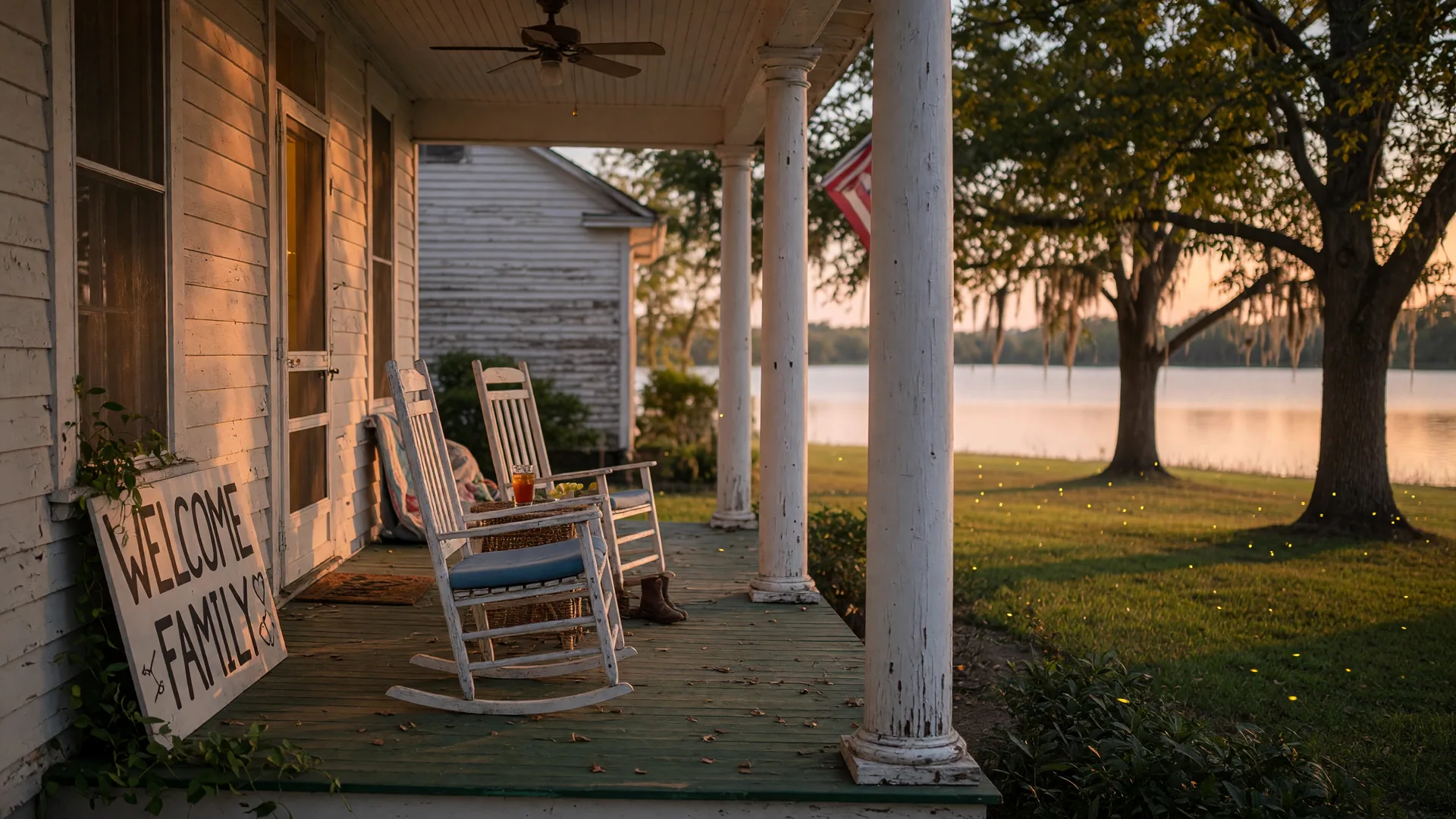
We know what it is like to pack a house in six weeks. To hand the keys to a landlord you will never see again. To walk through an empty living room one last time, checking the closets, pulling the front door closed, and driving away knowing that somewhere in the country a new family will cook dinner in your kitchen and sleep in your bedrooms. We know because we did it sixteen times. Sixteen relocations across decades of military service. Sixteen houses that were never quite homes, because home was always something we were leaving, not something we owned.
What the military teaches you about property
Military families develop a particular relationship with real estate. You learn to evaluate a house the way a traveler evaluates a hotel room: does it work for the duration of the stay? Is the location convenient? Will the landlord fix the leaky faucet before the next inspection? You do not look at a property and imagine your grandchildren playing under the pecan trees, because you do not expect to be at that address long enough for the trees to drop a single season of nuts.
That perspective shapes how you view the world. Permanence becomes abstract. The idea of a family homestead — a place where generations of the same family have lived, died, and been buried — feels almost mythical, like something from a novel rather than a reality available to ordinary people. When you have moved your children through three different school districts in five years, the concept of a home that has stood for 153 years is not just impressive. It is almost incomprehensible.
We mention this because it shapes the way we see 257 Methodist Park Lane. As luxury real estate advisors, we know the market data. We know the comps on Lake Hartwell, the value of Corps of Engineers shoreline, the premium for large-acreage parcels, the scarcity of historic homes on the Georgia side. But as people who spent decades never knowing where we would be living in two years, we see something in this property that the spreadsheets do not capture. We see the thing we never had: a permanent address.
What permanence looks like on the ground
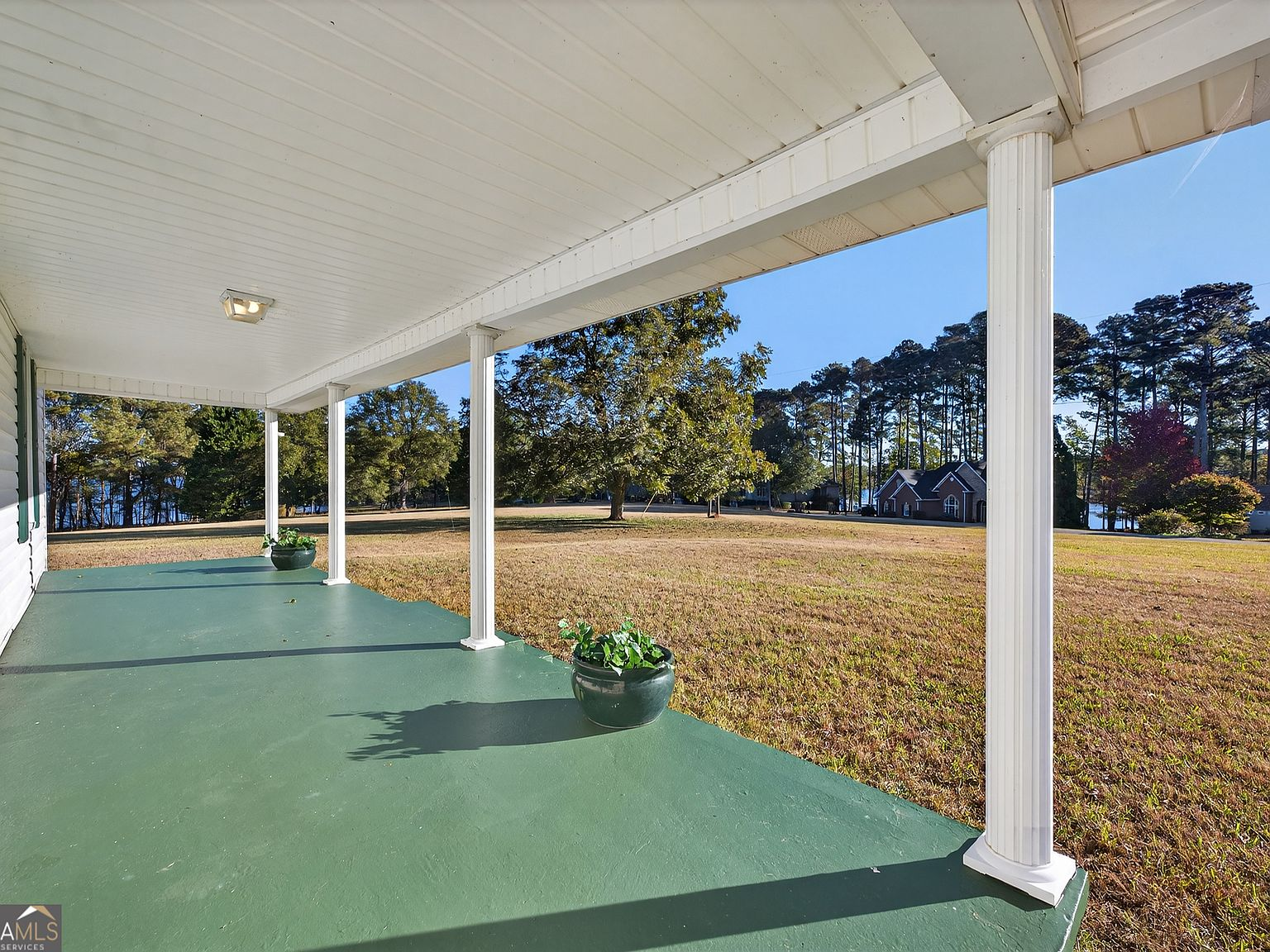
Stand on the covered porch at 257 Methodist Park Lane and you are standing on boards that have held the weight of six or seven generations. The house was built in 1873, when Ulysses S. Grant was president and Reconstruction was reshaping the South. The oldest living person in Hartwell, Georgia was not yet born when this house was new. The pecan trees were seedlings. The lake did not exist. The river below the property was the only water in sight, and it moved the way rivers move: slowly, reliably, without any hint of the 56,000-acre reservoir that would one day cover the valley.
The family who built this house did not plant those pecan trees for themselves. A pecan tree takes ten to fifteen years to produce a meaningful crop. They planted them for their children, and for their children's children. They built a house that would outlast them, on land that would never be sold. They did not know about the dam, the lake, or the federal government's plans for the river valley. They knew only that the elevation was good, the soil was fertile, and the ground was worth holding.
That is the kind of permanence that military families rarely experience. Our children attended four different high schools between them. They learned to make friends quickly, to say goodbye efficiently, to pack a suitcase with the same practiced competence as their parents. Those skills served them well — they went on to Princeton, Harvard Business School, Purdue, and the UNC School of Medicine. But the skills came at a cost. The cost was never knowing what it felt like to come home to the same house where your grandmother grew up, to walk the same hallway where your father learned to ride a bike, to sit under the same pecan tree that shaded your great-grandparents' Sunday afternoons.
The privilege of being the next custodian
A property like 257 Methodist Park Lane does not ask you to live in it. It asks you to take care of it. There is a difference. Living in a house is about meeting your own needs — comfortable bedrooms, a functional kitchen, good Wi-Fi, a place to park the car. Taking care of a 153-year-old estate is about meeting the property's needs — maintaining the porch so the columns do not rot, pruning the pecan trees so they stay healthy, keeping the flat ground clear of brush so the view from the pavilion stays open, managing the shoreline so the Corps of Engineers does not flag a violation.
We have walked this property with our clients more times than we can count. The buyers who understand it best are the ones who recognize the custodial nature of the transaction. They are not buying a product. They are accepting a responsibility. The previous family held this land for over a century. They kept the pecan trees alive. They added the pavilion when the lake made it practical. They maintained the house through good years and bad. And now, for the first time in generations, they are passing that responsibility to someone new.
That is a heavy thing to ask of a buyer. Not everyone is ready for it. But the buyer who is ready will understand something that most real estate transactions never touch: the value of belonging to a place that has existed longer than you have, and will exist longer than you will. The military teaches you to adapt, to be flexible, to make a home anywhere. But it also teaches you, if you are paying attention, to recognize permanence when you see it — and to hold onto it when you find it.
What we hope you find here
We write these stories because we believe 257 Methodist Park Lane deserves to be understood, not just marketed. A standard real estate listing would describe the square footage, the number of bedrooms, the lot size, and the proximity to amenities. It would tell you what the property is, but it would not tell you what the property means. The meaning of this place cannot be captured in a bullet list. It has to be felt, and the best way to feel it is to stand on the ground.
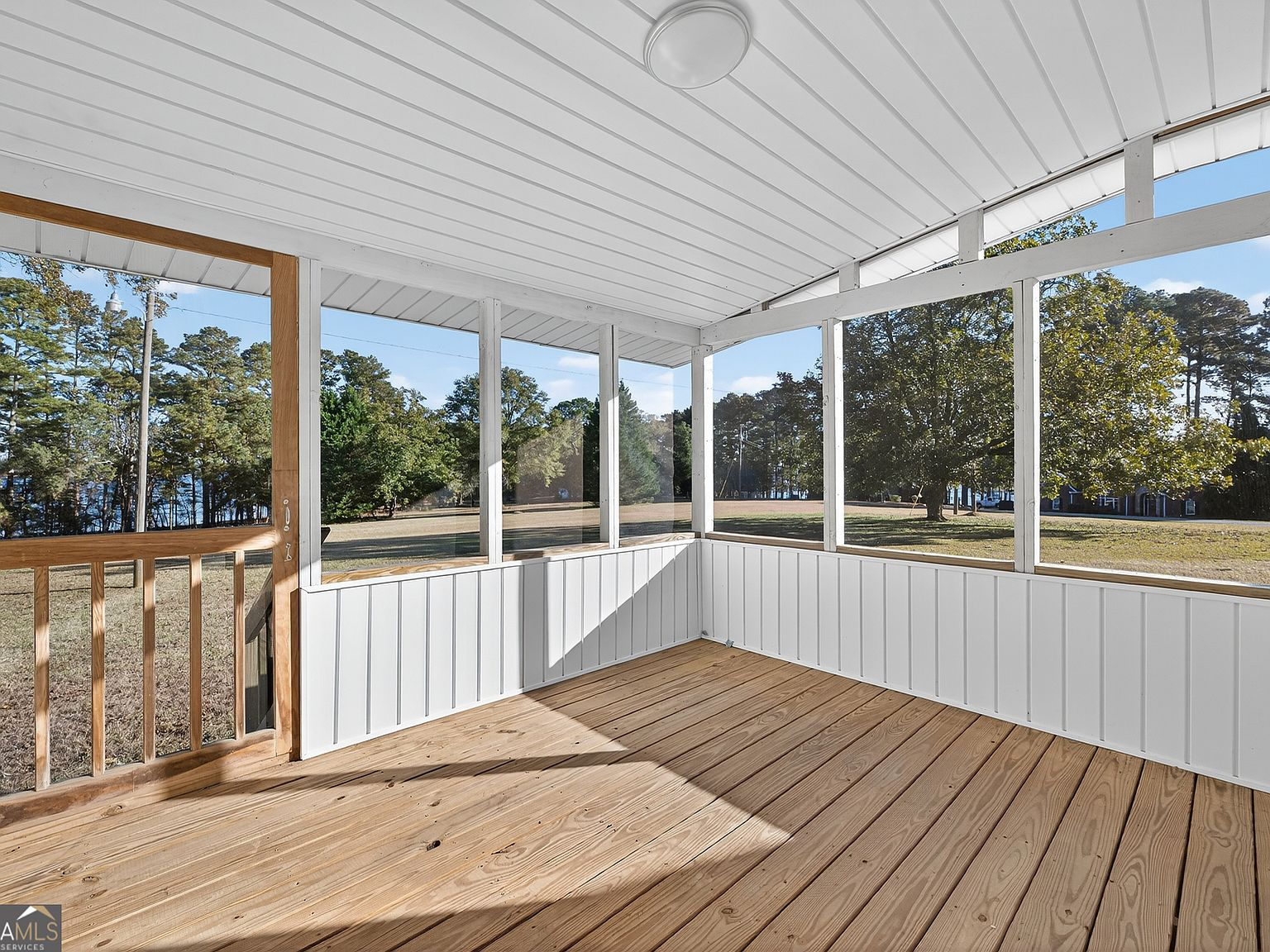
We invite you to do that. Walk the 4.546 acres. Sit on the covered porch. Touch the bark of a pecan tree that was planted when the only water in sight was a river. Stand under the pavilion and imagine a weekend with your family and friends gathered around the table. Look across the lawn at the lake and remember that the family who built this home in 1873 could not have imagined that view — and that they built it anyway, on faith, on the high ground, for reasons that turned out to be more durable than anyone could have predicted.
We have completed sixteen moves. We know what it means to leave a place. And we know that the rarest properties are not the ones you walk away from at the end of a tour. They are the ones that make you think: this is the place I would stop moving. This is the address I would keep.