
Community
Splash Away the Trash: the Saturday 10 sites showed up for Lake Hartwell
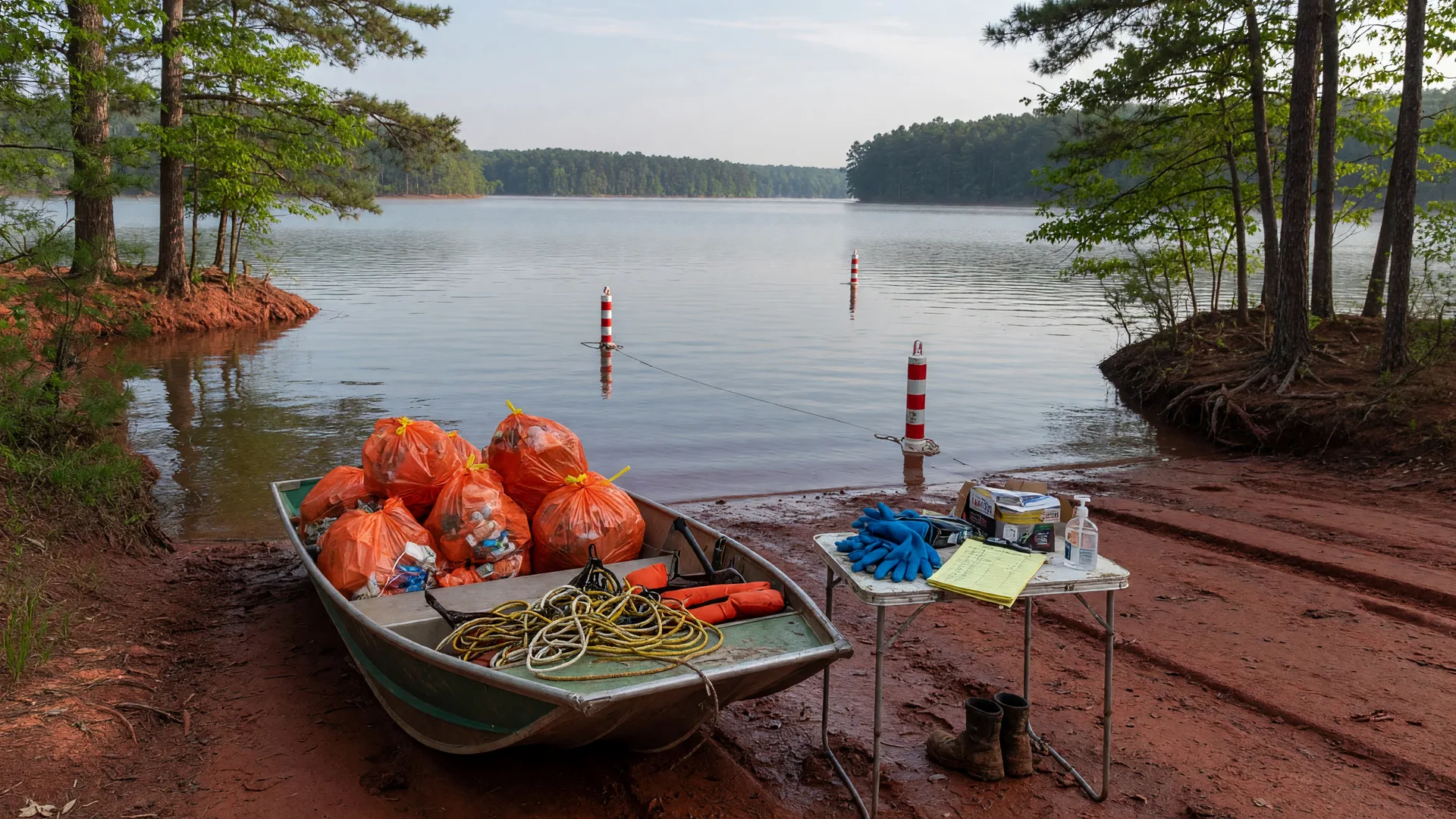
On Saturday, September 26, 2026, in observance of National Public Lands Day, Lake Hartwell got its annual hand care. Splash Away the Trash, the shoreline cleanup hosted by the U.S. Army Corps of Engineers' Hartwell Dam and Lake Project Office in partnership with Lake Hartwell Partners for Clean Water and the Lake Hartwell Association, ran from nine in the morning to noon at supply and drop-off locations around the Georgia and South Carolina shores. We watched it from the flat ground at 257 Methodist Park Lane, a piece of shoreline that has been kept by hand, in one way or another, since long before the water arrived.
A Saturday built around 10 sites and one morning
Splash Away the Trash is the lake's answer to National Public Lands Day, the nation's largest single-day volunteer effort for public lands, and on Lake Hartwell it is organized around ten supply and drop-off locations ringing the reservoir on both sides of the state line. Volunteers collect bags at a pickup site near the water, work their stretch of shoreline, and return filled bags to the drop-off before noon. The Corps provides the staging, Lake Hartwell Partners for Clean Water and the Lake Hartwell Association rally the community, and the sign-up lives at lakehartwellpcw.com, where the spring cleanup was scheduled for April 25, 2026.
The scale is what makes it feel different from an ordinary litter pickup. Ten sites at once means the whole 56,000-acre lake is being touched in a single morning, coves that no boat trailer can reach getting the same attention as the busiest public ramps. It is organized, quiet, and methodical, and it is exactly the kind of work that a reservoir this large requires: not glamorous, not carried out by a handful of people in hard hats, but done together, shoreline by shoreline, by the people who live here.
The first cleanup on this land
There is a tendency to treat lake stewardship as something invented with the reservoir, as if caring for shorelines began in 1962. On this land it did not. The family that held the 4.546 acres at 257 Methodist Park Lane from the 1870s kept the property in the way farm families kept everything: fences mended, springheads cleared, fields worked in rotation, the pecan grove raked each fall, and the high ground along the river kept open and tended. The discipline of Splash Away the Trash, that unglamorous ritual of tending the edge of the water, is the direct descendant of the discipline that kept this valley farm going for its first eight decades without a lake at all.
Before the dam, the water in question was the Savannah and Tugaloo river system, and the care was about keeping a working homestead functioning. After 1961 and 1962, when the reservoir climbed to its 660-foot full pool behind the newly completed Hartwell Dam, the care shifted to a new kind of edge: a shoreline of flat, private land meeting decades-old water. Six generations have now passed down the same instinct in different forms, from tending river bottoms to tending the lawn at the waterline, and Splash Away the Trash is the public version of that private habit.
Why a lake town shows up
Lake Hartwell draws more than nine million visitors a year, and that number is exactly why a cleanup morning matters so much more here than it might elsewhere. A heavily used public reservoir collects the consequences of its popularity: bags at the ramps, debris in the coves, fallout from storms and high-water years. A single organized morning cannot fix every stray piece, but it sets the pattern the lake depends on, that the people who use the water are also the people who tend it. Marinas, boat clubs, church groups, scout troops, and families come out with gloves and bags, and the lake looks better at noon than it did at nine.
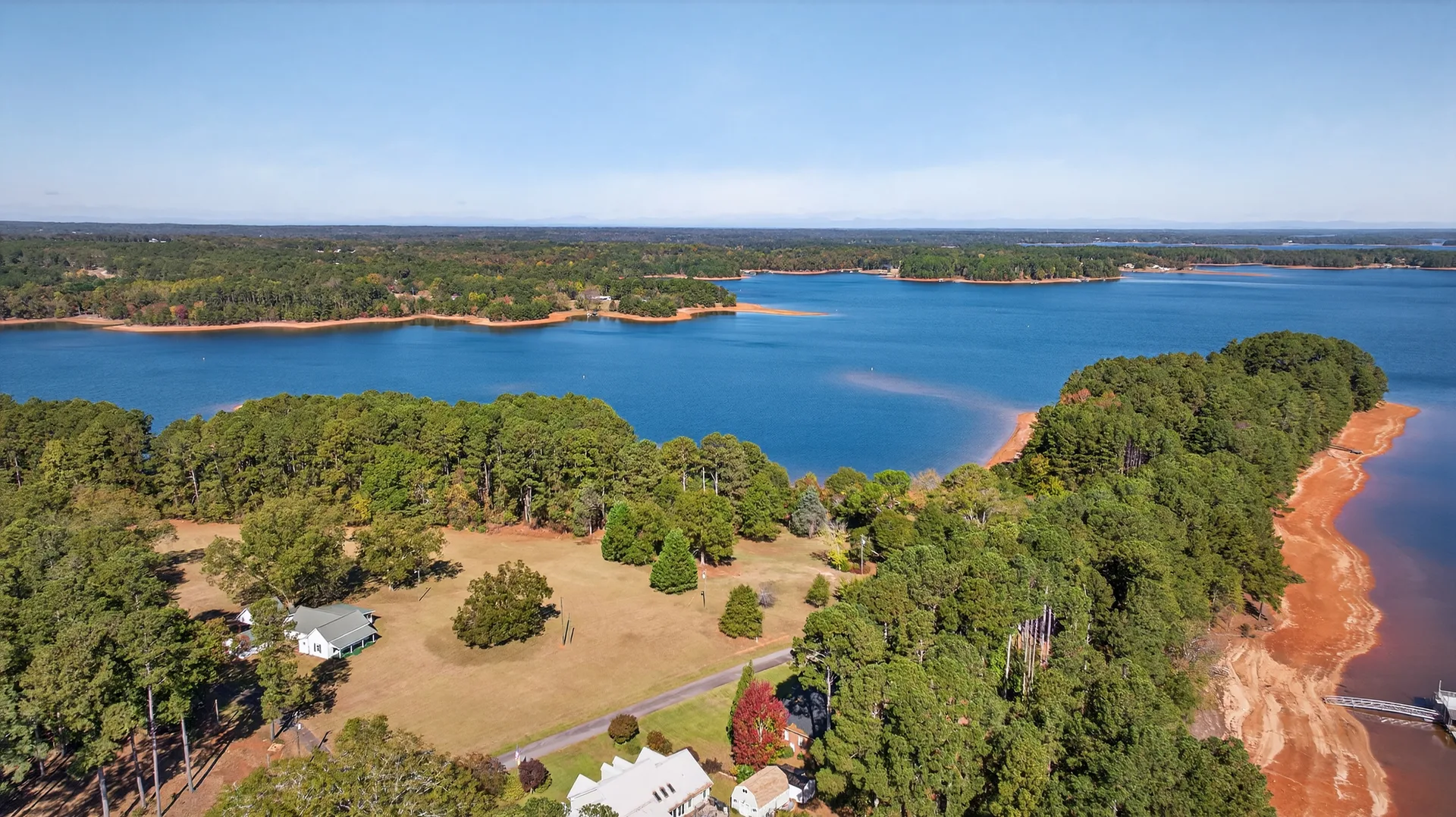
From the covered porch at 257 Methodist Park Lane, the morning reads as a reminder of what the lake community actually is. The estate sits on one of the last remaining large-acreage parcels on the Georgia Corps shoreline, close enough to Elrod Ferry Landing that the cleanup traffic is visible from the lawn, and its flat acres and lakeside pavilion have hosted their own share of gatherings built on the same instinct: people who live near the water take care of the water. The Corps, the partners, and the volunteers simply make that instinct visible for a few hours once a year.