
Lake life
Spring on Lake Hartwell: when the dogwoods bloom and the bass move shallow
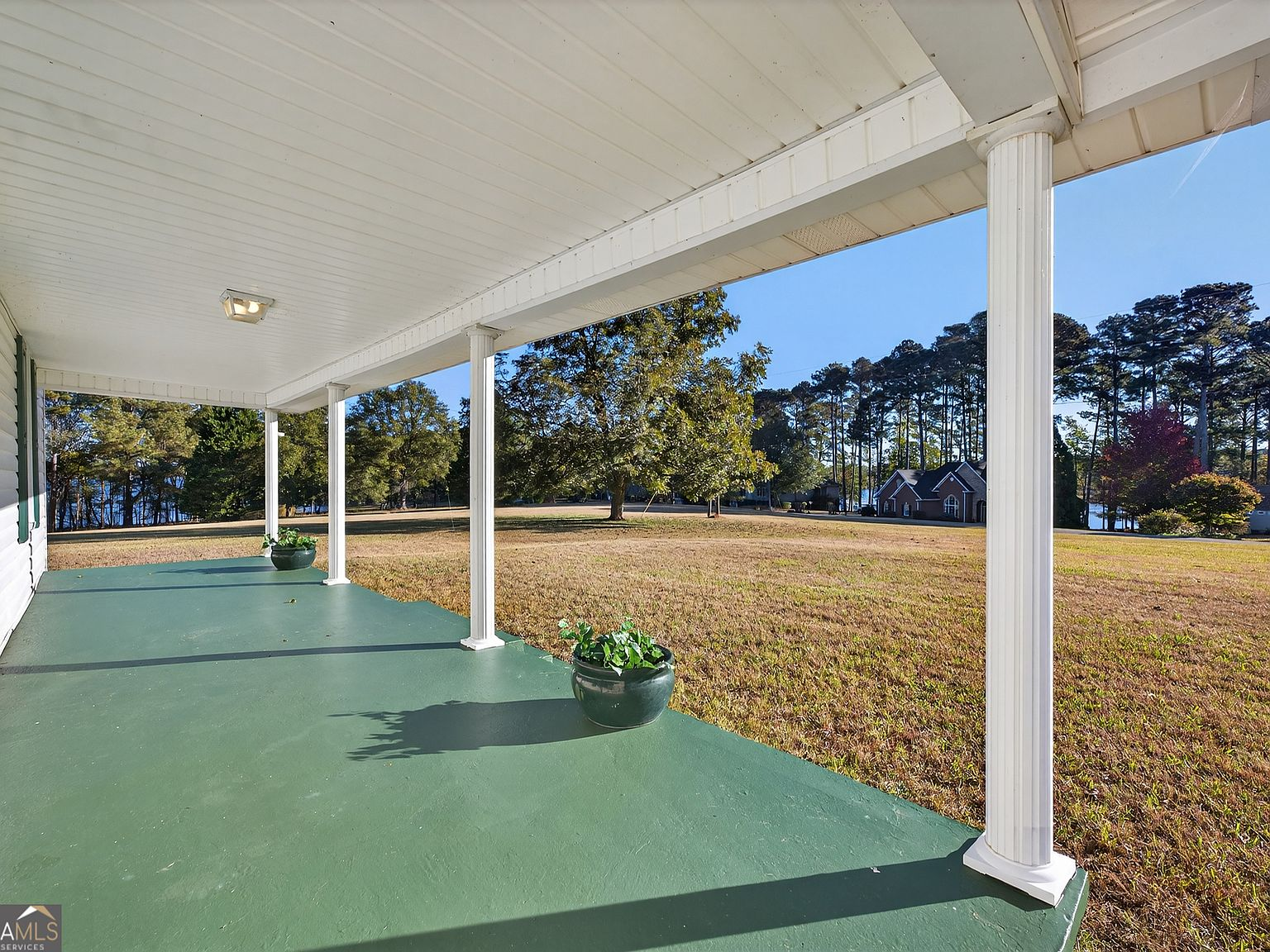
There's a two-week window in late March when Lake Hartwell belongs to the people who actually live here. The summer boaters haven't arrived, the dogwoods are just opening, and the lake is so quiet you can hear a heron's wings from a hundred yards out. If you're lucky enough to own a porch that faces east across the water, this is when you use it.
The lake wakes up
Spring on Lake Hartwell doesn't arrive all at once. It creeps in — first the redbuds along the Corps of Engineers shoreline, then the dogwoods that line the roads into Hartwell, and finally the pecan trees on properties old enough to have planted them for practical reasons. By mid-April, the hardwood forests along the 1,000 miles of shoreline are fully leafed, and the lake shifts from winter-gray to a deep, reflective green that mirrors the Appalachian foothills in every direction.
The water temperature matters here. When it climbs above 55 degrees in March, the largemouth bass move from their deep winter haunts to the shallow spawning flats. The riprap along Methodist Park and the laydowns in the nearby coves become the most productive water on the lake. Anglers who know these patterns — who know that the bass will bed on the sandy pockets near the shore, that the spotted bass hold on the rocky points, that the crappie stack up under submerged timber — fish Lake Hartwell in spring the way hunters read terrain: slowly, deliberately, with respect for what the water is telling them.
For someone at 257 Methodist Park Lane, the fishing starts from the dock. No marina fee, no drive to a boat ramp, no waiting in line at Elrod Ferry Landing. The trolling motor goes in the water, and within five minutes you're working the coves where the bass have been bedding since the water temperature hit 62 degrees. It's the kind of morning fishing that builds habits — not the frantic tournament pace, but the patient rhythm of a person who has time and knows where to look.
What the pecan grove does in April
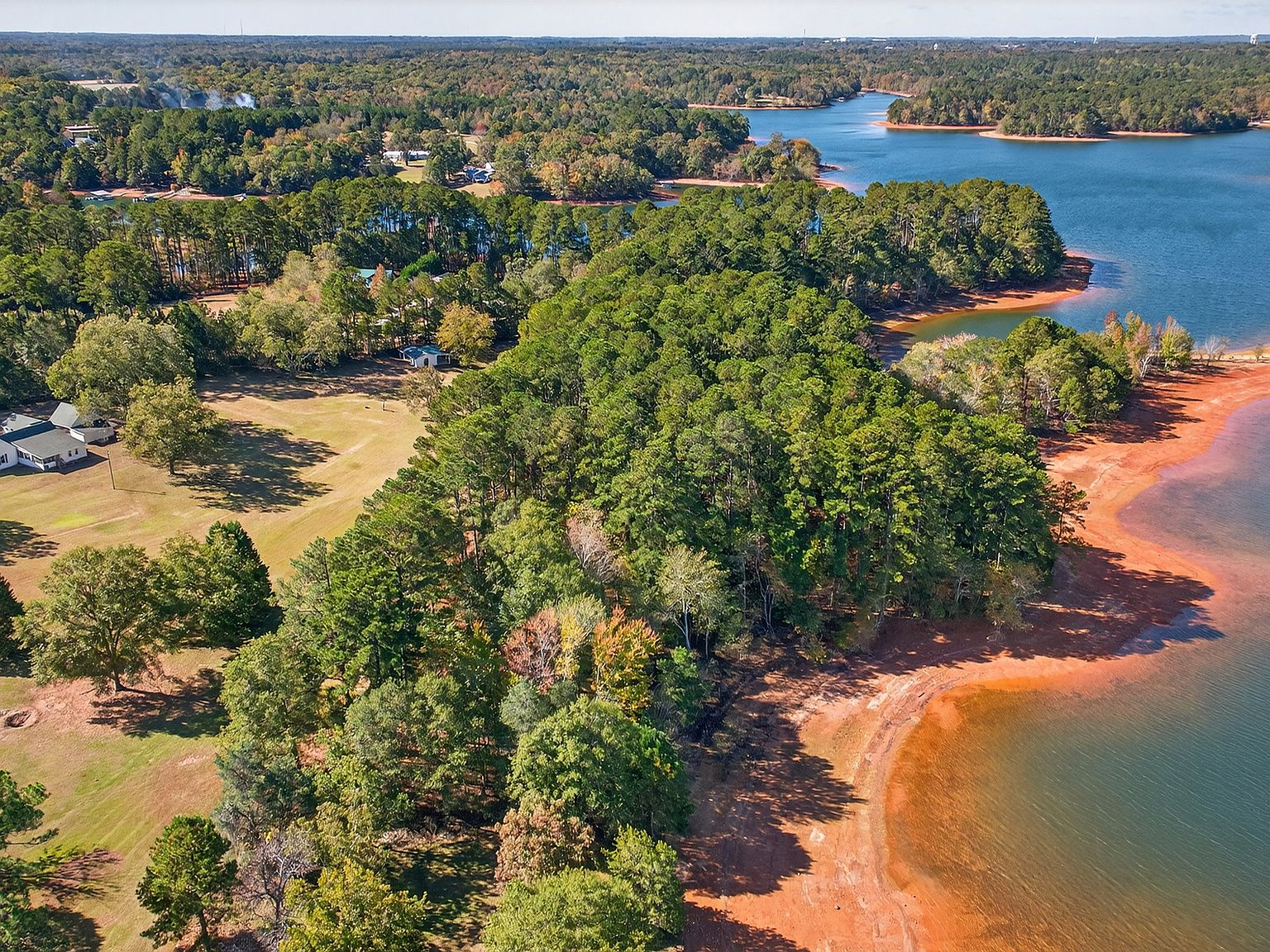
The mature pecan trees at 257 Methodist Park Lane are some of the oldest living things on the lake's Georgia shoreline. Planted long before the dam existed, they've survived the transition from river valley to reservoir — and every spring, they perform the same quiet miracle they've been performing for over a century.
In early April, the pecan buds break. The leaves emerge a pale, translucent green — not the deep emerald of midsummer, but something more delicate, like sunlight through a new window screen. By late April, the canopy has filled in enough to throw serious shade across the lawn, and the yard becomes a different room entirely. What was an open, sunlit expanse in March becomes a dappled, cool space where the temperature drops five or six degrees from the edge of the tree line to the trunk.
This is the season when the flat, 4.546-acre lawn at 257 Methodist Park Lane reveals its full potential. The ground is level enough for games, for setting up tables, for laying out blankets under the trees. The breeze comes off the lake through the tree trunks and across the grass. In summer, the shade is welcome; in spring, it's a luxury — the difference between being outside and being comfortable outside.
The community stirs
Lake Hartwell's social calendar begins in April. The Lake Hartwell Boating Club starts organizing raft-ups and dock gatherings — the first tentative gatherings of the season, where everyone compares what they did to their boats over the winter and makes plans for the summer. Hart State Park, 15 minutes from the property, opens its trails and camping facilities for the season.
Downtown Hartwell comes alive too. The farmers' markets resume, selling local produce from the surrounding Hart County farmland. Southern Hart Brewing Company on East Howell Street extends its taproom hours, and the Friday evening crowd starts thinning out onto the sidewalk as the weather warms. Boathouse Grill at Hartwell Marina puts its outdoor seating back in place and starts serving the kind of waterfront dinners that require a sunset to fully appreciate.
The Pre-4th Arts & Crafts Festival — a Hartwell tradition — is still months away, but the community organizations that plan it begin meeting in spring. The Hart County Chamber of Commerce calendar fills with events: the Northeast Georgia Ag Expo planning, the annual lake cleanup, and the spring fishing tournaments that draw competitive anglers from across the Southeast. This is the season when Lake Hartwell shifts from a quiet residential lake to a destination — and for people who live on the water full-time, that transition is something to plan for.
The porch season
Every lake property has its best room, and at 257 Methodist Park Lane, it's the covered porch. Built in the 1870s to catch cross-breezes, oriented to face the long slope of lawn toward the water, it's the kind of space that was designed before anyone thought of air conditioning — which means it was designed to work. The south-facing orientation catches the morning light, the porch roof shades the afternoon, and the columns frame a view that has been essentially unchanged for over 150 years.
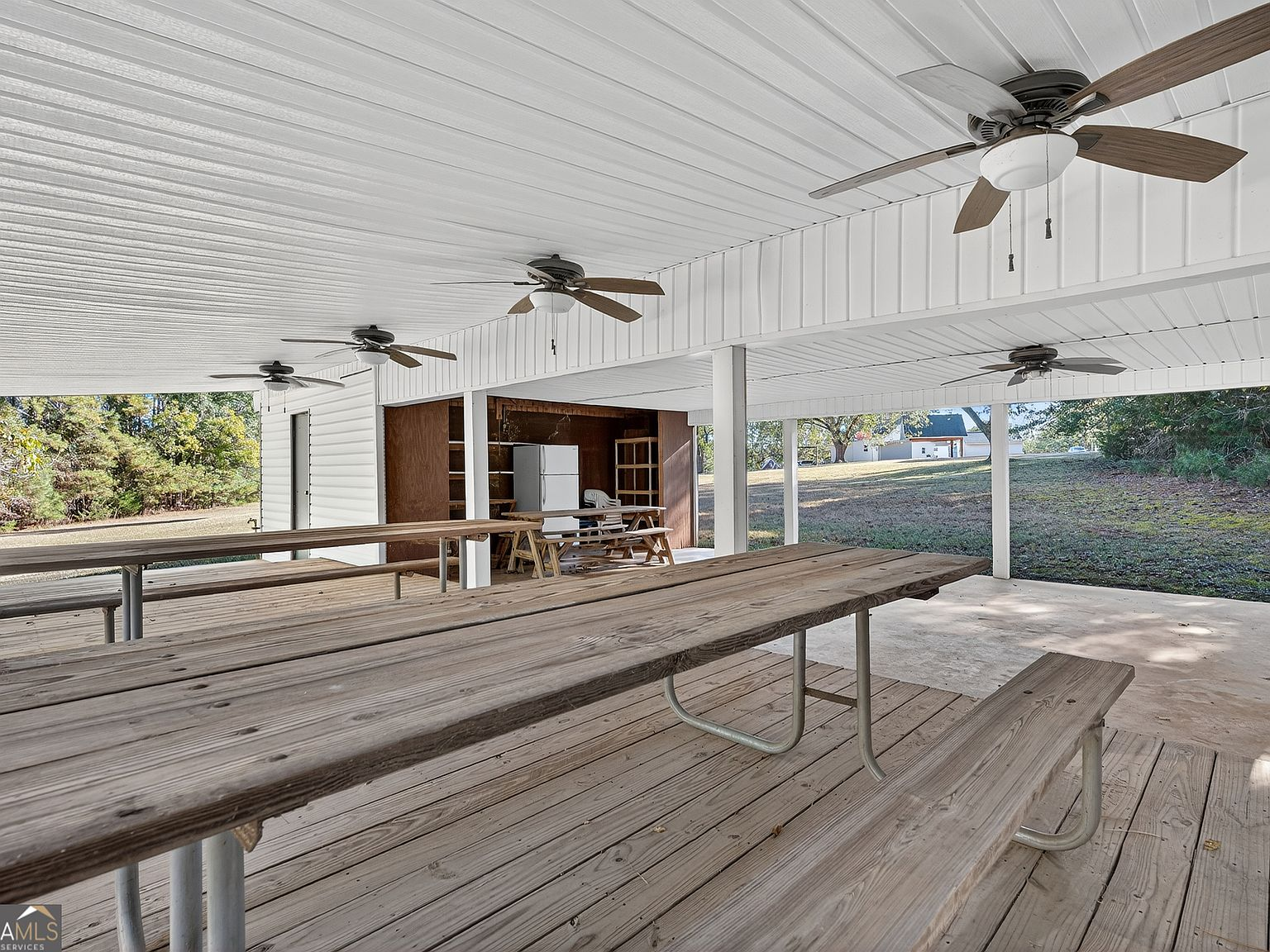
Spring is when the porch earns its keep. The mornings are cool enough to sit with coffee for an hour without rushing. The evenings stretch — the sun doesn't set until after 8 p.m. by late April, and the golden light on the lawn lasts long enough to finish a conversation. The screened back porch, looking out over the yard toward the lake, becomes the default dining room. The covered pavilion near the water — with its ceiling fans, its two full bathrooms, and its space for a dozen people — starts getting used for the first gatherings of the season.
This is the rhythm that Lake Hartwell offers in spring: quiet enough to enjoy, warm enough to be outside, and just active enough to feel like part of a community. The lake is large enough — 56,000 acres — to feel like wilderness when you want it to, and the town of Hartwell is close enough — 10 minutes — to feel connected when you need it. Spring is the season that makes the case for full-time lake living more persuasively than summer ever can.
What spring asks of you
Spring on Lake Hartwell is the season of preparation. The dock needs checking after the winter. The lawn needs its first mowing — 4.546 acres is a meaningful amount of ground, and the flat, well-drained soil means the grass comes in thick by May. The pecan grove needs a look: any deadwood from winter storms, any limbs that need pruning before the summer storms arrive. The pavilion needs its annual once-over — the ceiling fans, the plumbing to the outdoor bathrooms, the refrigerator that kept everything cold through September and then sat idle for six months.
This kind of maintenance is part of the deal with a large-acreage property. It's not the kind of work that requires a contractor or a budget — it's the seasonal attention that any property on the lake demands. But at 257 Methodist Park Lane, the work feels different because of what you're maintaining. The pecan trees aren't decorative landscaping; they're 150-year-old food-producing trees that have outlived every trend in American residential design. The lawn isn't a builder's grading project; it's been leveled and maintained for over a century. The pavilion isn't an amenity package; it's the evolution of a homestead that has always organized itself around the outdoors.
Spring on this property is also the season when the history feels most present. The 1873 farmhouse was built for this kind of weather — the thick walls, the wood floors, the wood-burning fireplace that's still useful on March mornings when the temperature drops into the 40s. The porch was designed to extend the living space into the yard. The orientation of the house — toward the lake, toward the morning light — was a decision made by someone who understood this land in a way that no real estate listing can capture.
For the right buyer, spring at 257 Methodist Park Lane isn't just a season. It's a preview — of the summers that will fill the pavilion with family, the falls that will paint the shoreline in color, the winters that will quiet the lake down to its essentials, and the springs that will return, year after year, with the dogwoods and the bass and the peculiar joy of a lake that belongs, in this quiet window, to the people who call it home.