
Generations
Stewards of a lasting legacy: What it means to care for a 153-year-old Lake Hartwell estate
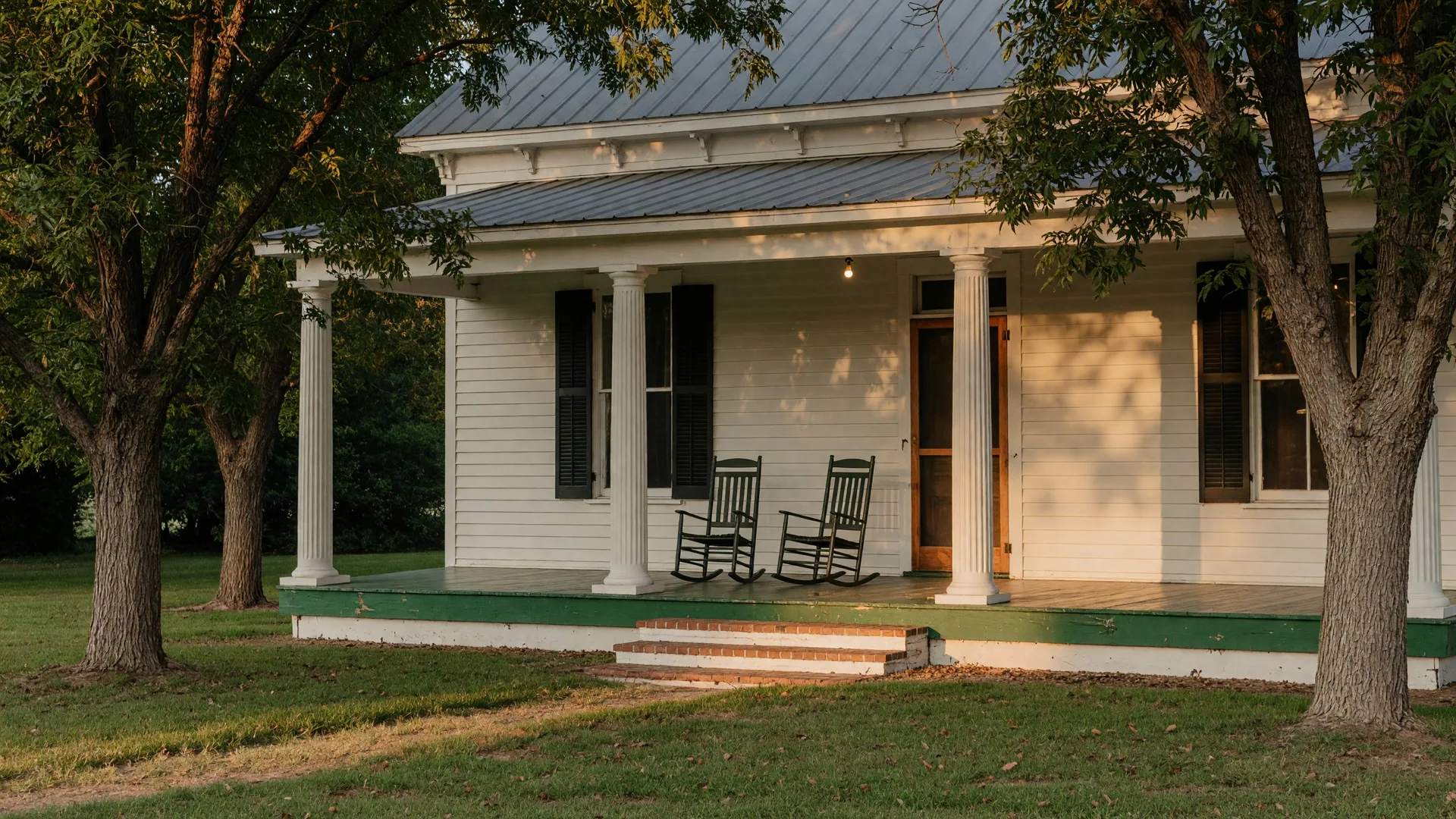
Owning a historic waterfront estate is different from buying a new home. The walls are not straight because drywall is not straight. The floors creak because old wood creaks. The porch columns are not ornamental — they have held up the same roof through Reconstruction, two world wars, the creation of a 56,000-acre lake, and every storm that has come across the Georgia foothills since 1873. A property like 257 Methodist Park Lane does not ask you to own it. It asks you to steward it.
What stewardship means
Stewardship is a word that gets used loosely in real estate marketing, but it has a specific meaning when applied to a property that has been held by a single family for over 150 years. It means that the owner's relationship to the property is not transactional. It is custodial. The property is not an asset to be flipped or a renovation project to be stripped and rebuilt. It is a living piece of history that requires the same kind of attention that a historic building in a museum district requires — but with the added dimension of being a home, a gathering place, and a working waterfront estate.
The current family's care for 257 Methodist Park Lane is visible in every detail. The home's original wood-burning fireplace is intact and functional. The covered porch, which has faced the water since the 1870s, has been maintained with the same materials and proportions. The pecan trees — planted in the 19th century for food and shade — have been pruned, protected, and allowed to reach their full maturity. The lakeside pavilion, added after the lake was created, was designed to complement the historic character of the original structures rather than compete with it.
That kind of care is not accidental. It is the result of generations of owners who understood that the property was not theirs to transform, but theirs to preserve and pass along.
Historic preservation in Georgia: What owners should know
For buyers considering a historic property in Georgia, the state offers meaningful incentives for preservation. Georgia's Preferential Property Tax Assessment program allows owners of historic properties listed on the National Register of Historic Places or the Georgia Register of Historic Places to receive a reduced property tax assessment covering the building, its land, and up to two acres. The owner must agree to maintain the property in its qualified use for a ten-year period — a commitment that aligns with the ethos of stewardship rather than short-term ownership.
Additionally, the Georgia Historic Rehabilitation Tax Credit provides a 25% state income tax credit on qualified rehabilitation expenses, capped at $100,000 per residential project. This credit, combined with the federal 20% Historic Tax Credit for income-producing properties, makes Georgia one of the more supportive states in the Southeast for owners who want to restore and maintain historic structures. The work must meet the Secretary of the Interior's Standards for Rehabilitation, ensuring that any improvements respect the historic character of the building.
Hartwell itself is a designated Preserve America Community, recognized for its commitment to historic preservation. The city's Historic Preservation Commission oversees the local designation process, and Hartwell's participation in the Georgia Main Street Program has supported downtown revitalization without sacrificing the architectural character that makes the town distinctive. For a property like 257 Methodist Park Lane, these programs provide both financial incentives and a framework for responsible stewardship.
The practical realities of a 153-year-old home
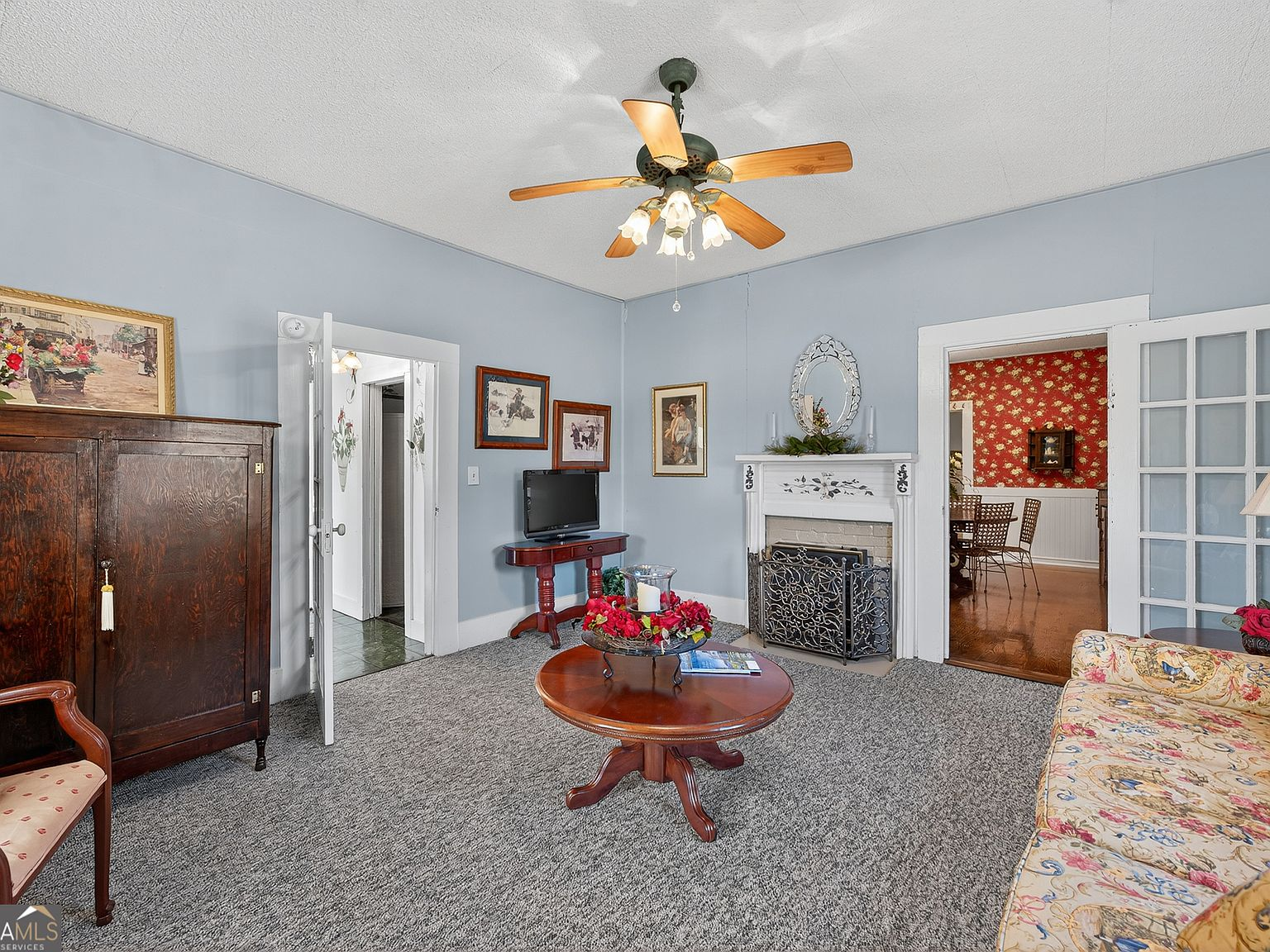
It would be dishonest to write about historic home ownership without acknowledging the practical realities. A home built in 1873 was not designed for modern HVAC systems, open-concept living, or the square footage expectations of a luxury waterfront buyer. The bedrooms are modest by contemporary standards. The kitchen is a galley — functional, historic, and not designed for a chef's dream renovation. The plumbing has been updated, but it exists within the constraints of a house built before indoor plumbing was standard.
These are not flaws. They are the characteristics that make the property authentic. The 2-bedroom, 2.5-bath floor plan is not a limitation when the real living happens outdoors — on the covered porch, in the screened back porch, under the pavilion, across 4.546 acres of flat lawn that leads to the water. The home is the anchor, not the entire experience.
The maintenance requirements of a historic property are also real. The wood windows need attention. The foundation, sound as it is, benefits from regular inspection. The pecan trees need pruning, the lawn needs mowing, the pavilion needs upkeep. But these are the kinds of responsibilities that come with any property of this scale — and they are offset by the advantage of owning a home that has already proven its durability through 153 years of Georgia weather.
The reward of carrying the story forward
In our years of representing luxury waterfront properties, we have learned that the buyers who are happiest with historic estates are the ones who understand that they are not buying a finished product. They are buying a story that is still being written, and they are becoming the author of the next chapter.
The next owner of 257 Methodist Park Lane will have the opportunity to continue what the previous generations started. They will be the ones who keep the pecan trees healthy, who maintain the porch boards, who make sure the pavilion is ready for the next generation of weekend gatherings. They will be the ones who decide what the next 153 years look like — and whether the property continues to be held as a family legacy or transitions into a new chapter of its own.
That is a weight, but it is also a privilege. Few properties in the Southeast offer the combination of historic significance, waterfront location, and undeveloped privacy that 257 Methodist Park Lane provides. And even fewer offer the opportunity to become part of a story that began before the Civil War ended, survived the creation of a 56,000-acre reservoir, and is still being written today.
Who the next steward might be
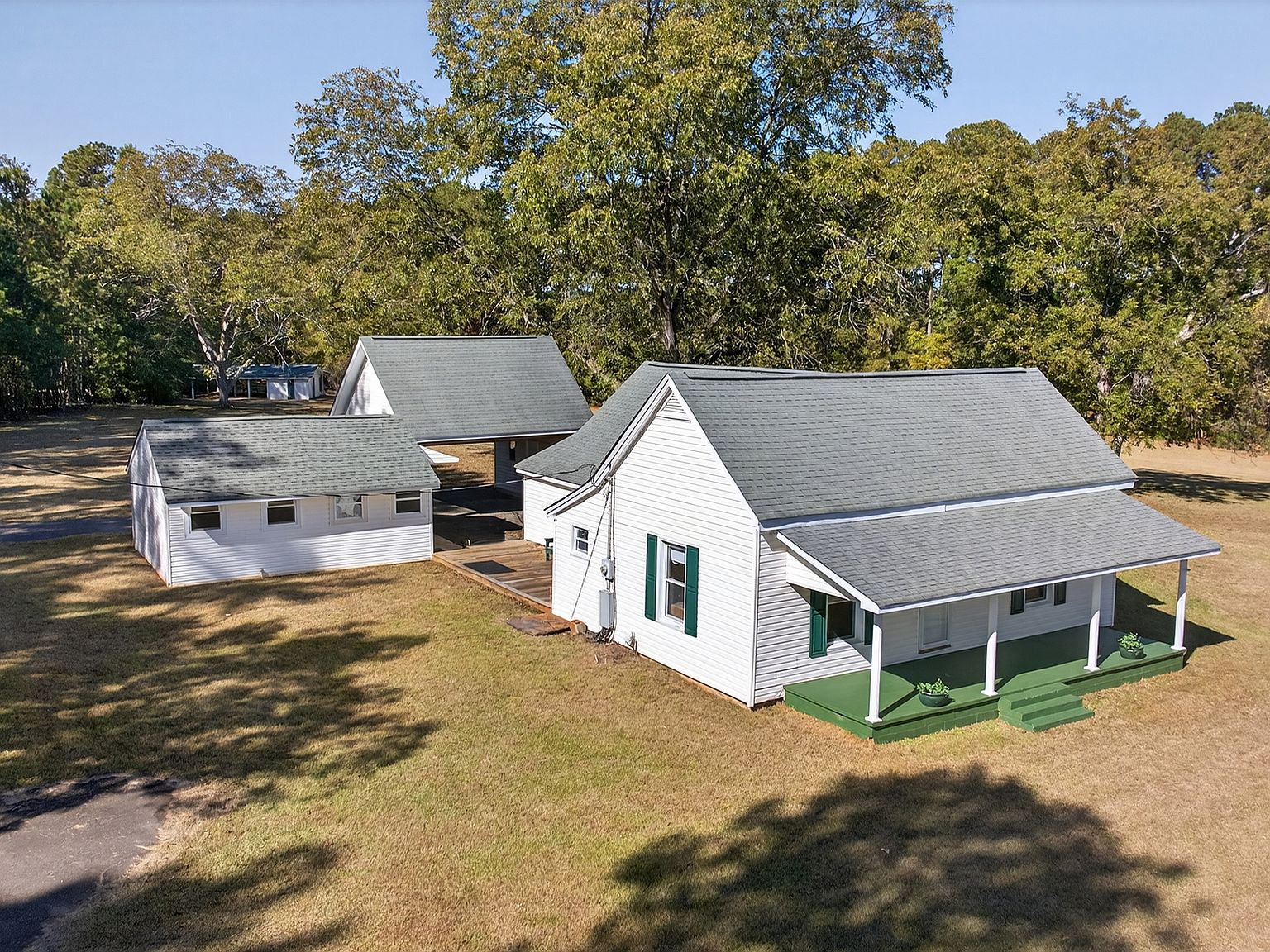
The right buyer for 257 Methodist Park Lane is not someone looking for a turnkey modern home. It is someone who recognizes the value of what has been preserved — the original woodwork, the historic proportions, the mature landscape that no developer can replicate. It is someone who understands that the lakeside pavilion with two full bathrooms, the covered porch, and the screened back porch are the rooms that matter, and that the house is the frame for a life that happens outdoors.
It is someone who sees the Georgia Historic Rehabilitation Tax Credit not as a paperwork exercise but as a validation of their commitment to preserving something worth keeping. Someone who understands that a property held by one family for 153 years is not a fixer-upper — it is a legacy waiting for its next caretaker.
We have helped families navigate sixteen relocations of our own. We understand the complexity of choosing a place that will matter for generations. And we believe that 257 Methodist Park Lane is not just a property to be sold — it is a stewardship to be transferred. The next owner will not be buying a house. They will be joining a story that started in 1873, on a piece of land that was here before the lake, and that will be here long after we are all gone.