
Lake life
Summer's last light and fall's first promise: August on Lake Hartwell from 257 Methodist Park Lane
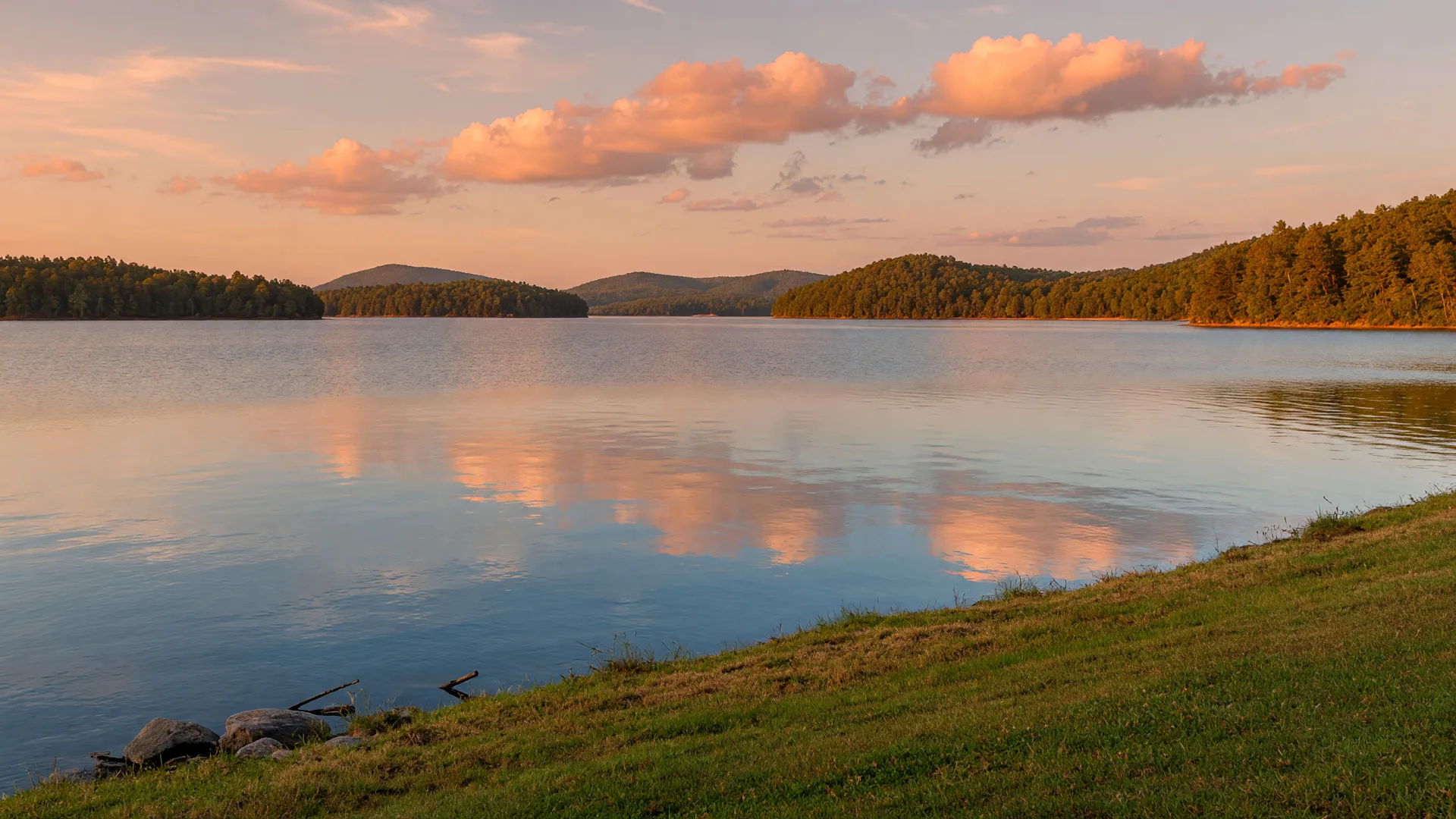
There is a moment in early August when Lake Hartwell changes. The July crowds thin. The boat traffic on weekends still hums, but the frantic energy of the holiday weeks gives way to something slower. The water temperature is at its warmest, the evenings come a few minutes earlier each night, and the pecan trees at 257 Methodist Park Lane begin to show the first signs of the harvest that will come in November. This is the season the families who have lived on this land for generations have always known best: the long, golden stretch between summer's peak and autumn's first cool snap.
The August lake
By August, Lake Hartwell has settled into its warmest rhythm. Surface temperatures in the main channel reach the low 80s. The shallow coves near Methodist Park and Elrod Ferry are even warmer, perfect for afternoon swimming off a private dock. The bass have moved to deeper structure, but the fishing remains strong for those who know where to look — and the crappie and catfish are still active in the cooler depths near the river channels.
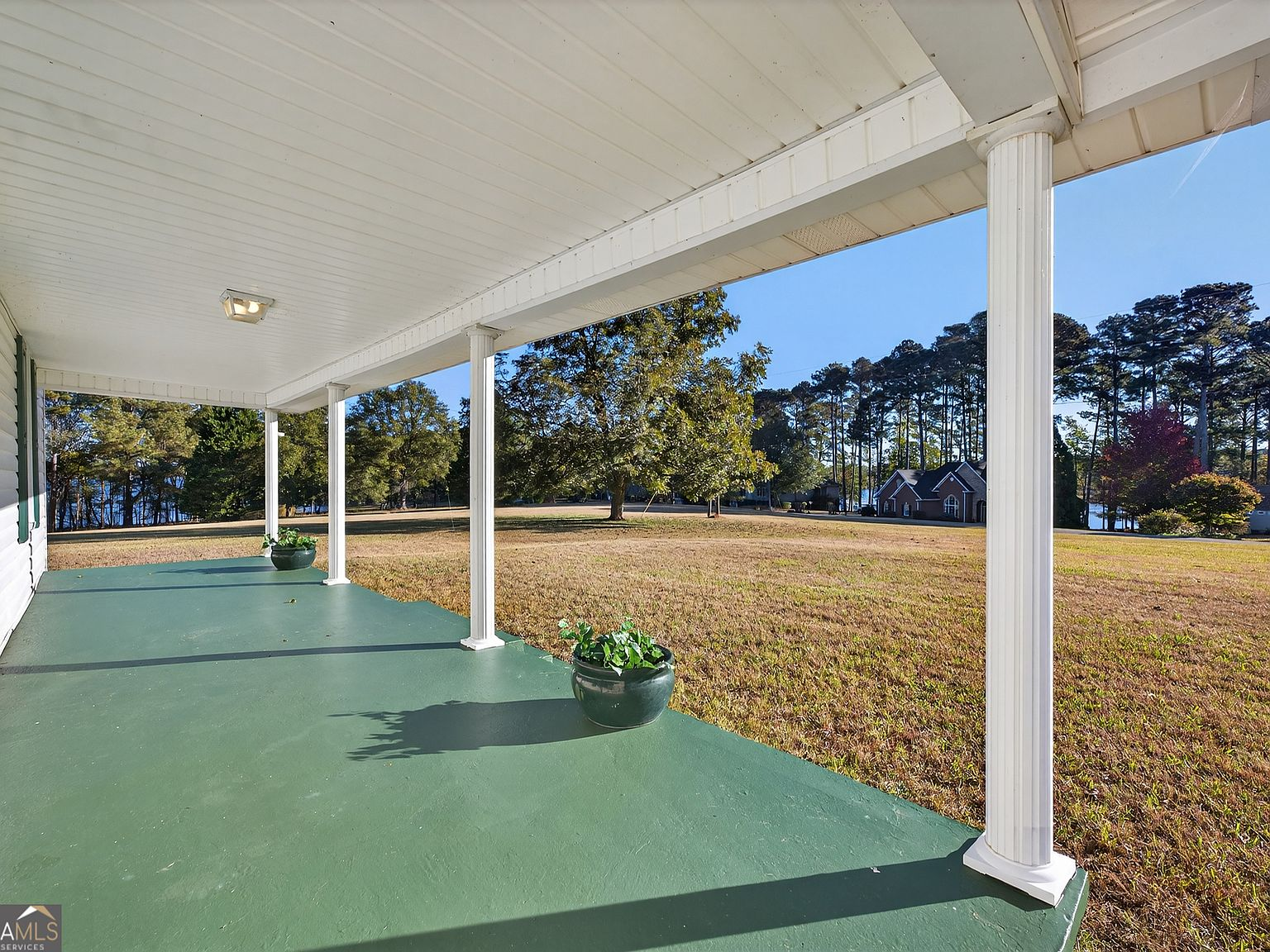
What sets August apart from June and July is the quality of the light. The sun sits lower in the sky by evening, casting longer shadows across the lawn at 257 Methodist Park Lane. The golden hour stretches. The water reflects more sky than heat. From the covered porch, the view across the flat lawn to the lake takes on a warmer tone, the greens of the pecan trees and the blue of the water mixing into something that photographs better than any summer month.
For the family that has held this property since the 1800s, August on the land was always a month of preparation. Before the dam, before the lake, August meant the last stretch before harvest. The corn was tall. The hay was in. The pecan trees — even then mature enough to produce — were setting the nuts that would be gathered after the first hard frost. The work of summer was winding down, and the work of fall had not yet begun. It was the month of the year when the land asked the least of its people and gave the most in return.
The Northeast Georgia Ag Expo: honoring the roots beneath the lake
On August 15, the Hart County Agriscience Center will host the 2026 Northeast Georgia Ag Expo, running from 9 a.m. to 1 p.m. with free admission. The event brings together indoor and outdoor agricultural exhibits, an Antique Tractor Show, a speaker panel featuring professors from the University of Georgia and Athens Tech, and free activities for kids including bounce houses, pedal tractor races, live farm animals, and games.
For a community built on Lake Hartwell's tourism economy, the Ag Expo might seem like a throwback. In truth, it is the opposite. It is a reminder of what Hart County was before the dam turned the Savannah River into a reservoir, what the land at 257 Methodist Park Lane was for the eighty years before the water rose. The agricultural identity of this region did not vanish when the lake was created. It shifted. The pecan groves that lined the river valley still stand above the waterline on properties like this one. The families that farmed the bottomlands relocated to higher ground and kept farming. The county fair, the 4-H programs, the FFA chapters, the agriscience center — these institutions survived the transformation because the people who built them understood that a lake changes the landscape but does not erase the land's memory.
The pecan trees know what is coming
The pecan trees that shade the property at 257 Methodist Park Lane do not follow the tourism calendar. They follow the seasonal calendar that has governed this land for centuries. In August, the nuts are still green, still developing inside their husks, drawing energy from the long summer days and the deep root systems that have anchored them here since before the Civil War.
The harvest will come in November, after the first frost cracks the husks open and the nuts fall to the ground. For the families who lived here before the lake, the pecan harvest was a practical event — stored nuts meant food through the winter, trade goods at the market in Hartwell, gifts for neighbors. For the families who have held the property since the lake was built, the harvest has become something different: a ritual that connects the modern lakefront lifestyle to the agricultural heritage that preceded it.
There is no requirement to harvest pecans on a lakefront estate. The grocery store is a ten-minute drive from this property. But every November, the people who own this land gather the pecans anyway, because the trees do not know the difference between a subsistence farmer and a lakefront homeowner. They produce regardless. The harvest is the land's way of reminding the people on it that the cycle does not care about conveniences.
What comes next: the fall calendar on Lake Hartwell
August on Lake Hartwell is the bridge between the summer festival season and the fall events that give the community its year-round character. The Northeast Georgia Ag Expo on August 15 kicks off a stretch that includes Hartoberfest and Depot Day in October, the Scarecrows on the Square tradition, the Parade of Trees in November, and the Christmas Tree Lighting that closes out the year.
For the tournament fishing community, the fall calendar is equally full. The Mercury B.A.S.S. Nation Championship arrives in November, followed by the Bassmaster Team Championship in December. The lake's reputation as a premier fishery continues to draw competitors from across the country, and the cooler months bring some of the best fishing of the year.
But for the resident of 257 Methodist Park Lane, the most significant event of the coming months is not on any calendar. It is the moment in late October when the pecan husks begin to split, and the first nuts fall onto the lawn. That is the signal that the land is completing its cycle, that the 153-year tradition of harvest on this property is continuing, and that the family living here is part of something older than the lake, older than the dam, older than any deed or title.
The view from August
We have spent the summer writing about this property, this lake, and this community. We have covered the heritage of the land before the dam, the generations who held it, the festivals that define the lake's summer, the conservation work that protects its water, and the intentional growth that shapes its future. August is the month when all of those stories converge into a single impression: this is a place that holds its history without being held back by it.
The pecan trees are still producing. The lake is clean, ranked third in the nation. The town just won a Visionary City Award. The pavilion is waiting for the next gathering. And from the porch, the August light is doing what it has done every year since 1873: falling across the lawn, reflecting off the water, and reminding anyone who sits still long enough that some things are worth keeping across generations.