
Heritage
The 1890 promise: how the Savannah valley learned to live with a lake that took seventy-one years to build
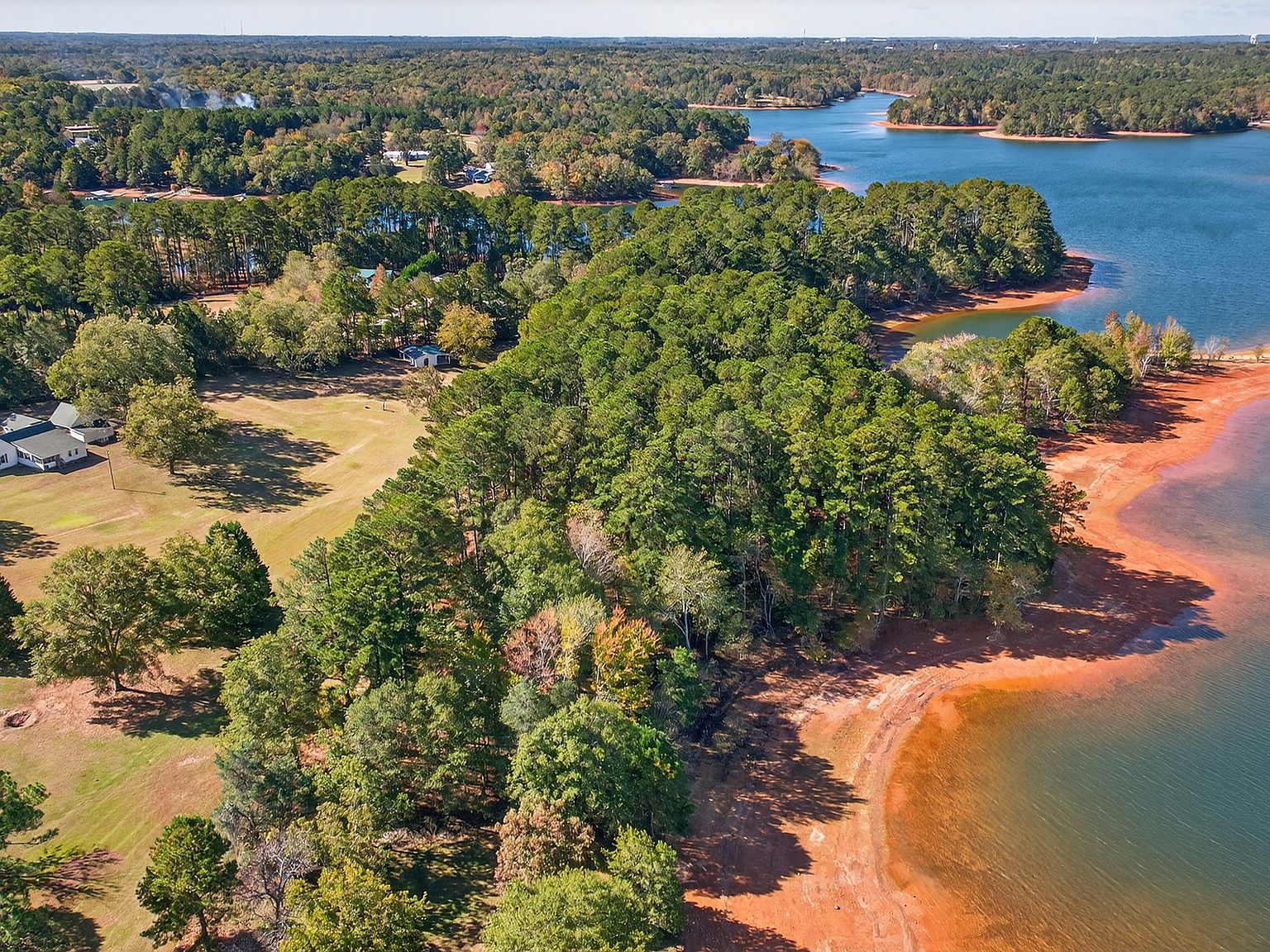
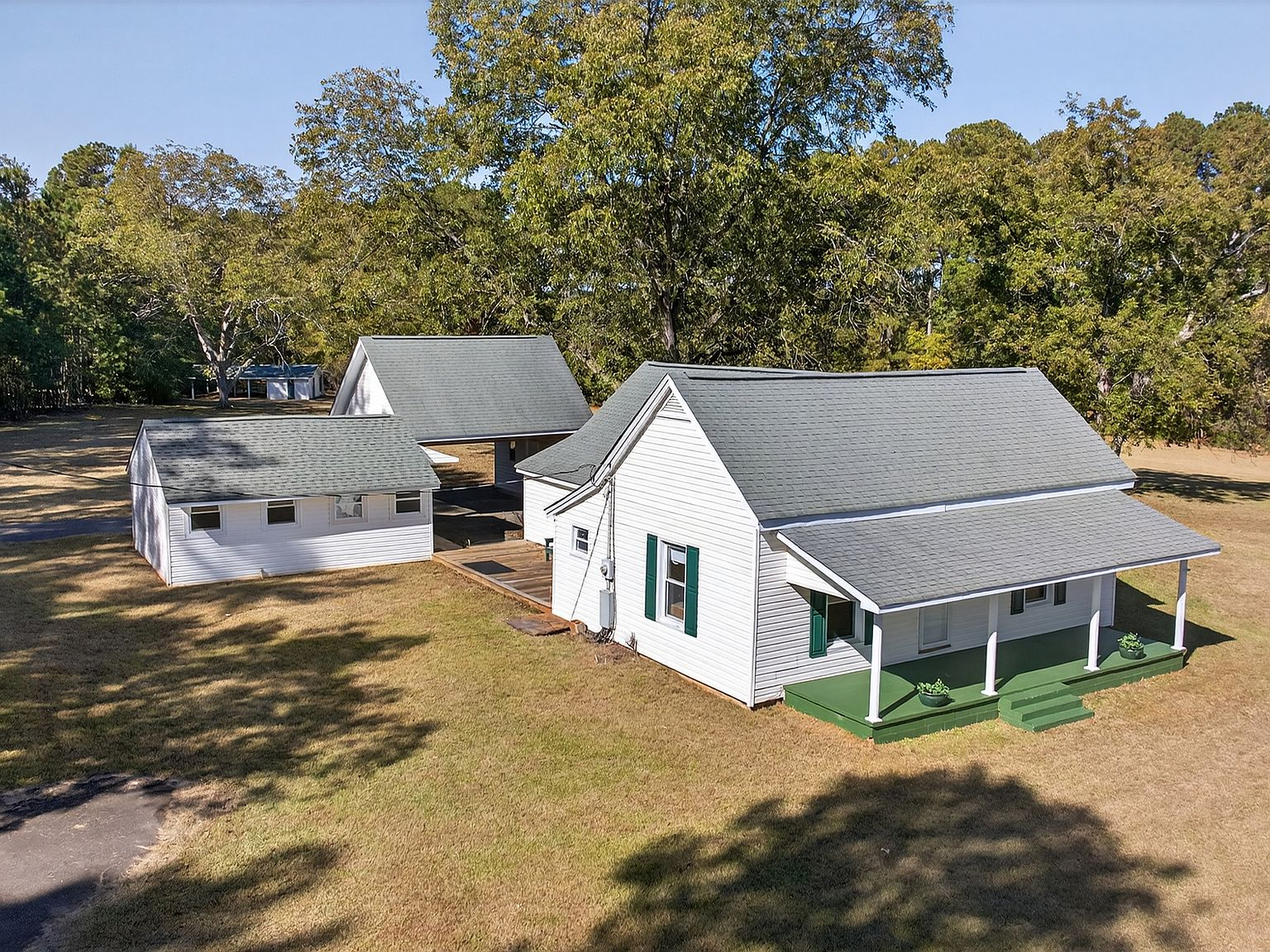
How long was the wait for Lake Hartwell? Seventy-one years stretched between the first serious federal recommendation to dam the Savannah River, in 1890, and the day Congress said yes on May 17, 1950. The family that built the farmhouse at 257 Methodist Park Lane in 1873 farmed the river valley through nearly all of it, and the flat, elevated ground they chose would one day prove to be exactly what a reservoir shoreline needs.
The first recommendation, 1890
In 1890, a young U.S. Army Corps of Engineers officer named Oberlin M. Carter, working out of the Savannah district office, filed a report recommending dams on the Savannah River to protect Augusta from flooding. It was the first serious federal proposal to hold this water back, and at the time the farmhouse at 257 Methodist Park Lane was seventeen years old. The pecan trees were already bearing. The lane that runs past the property already carried Sunday traffic to the Methodist church.
Think about what that timing meant. The valley did not learn it was living under a dam all at once. It learned in stages that spanned generations: a report here, a survey there, a new Rivers and Harbors Act study in the 1920s, then long stretches when the water rose and fell the old way and nothing changed at all. Families built barns, married, buried their own, and planted orchards with the same confidence their parents had, because a federal recommendation is not a sentence. It is a distant rumor with a rank and a seal on it.
That is the strange texture of a seventy-one-year wait. Every generation in it had to decide, again, whether to believe the lake was coming. The family at Methodist Park Lane kept deciding to stay, and staying on high ground would turn out to be the right decision every single time.
Six decades of talk while the valley farmed
Between Carter's 1890 report and the middle of the twentieth century, the Savannah and Tugaloo valleys kept their old rhythm. Hart County farmers worked the red hills and the river bottomlands, drew water from hand-dug wells, and crossed the rivers where the ferries ran. The idea of a dam resurfaced in federal waterway studies, most seriously around the Rivers and Harbors Act era of 1927, and each time the valley noticed and then went back to work.
Long memories carried the rumor forward. Elder farmers who had heard about the 1890 study told their grandchildren to watch the comings and goings of the surveyors' teams, and the grandchildren watched. The land around 257 Methodist Park Lane stayed in one family's hands through all of it, generation after generation, because the ground itself never gave anyone a reason to leave: flat, private, well-drained, shaded by pecans, and above the reach of the river they knew could misbehave in the spring.
May 17, 1950: the valley gets its answer
The Flood Control Act of May 17, 1950 authorized Hartwell Dam as the second unit in the comprehensive development of the Savannah River basin, with an estimated cost of about $68.4 million at 1948 price levels. For most of Georgia and South Carolina it was a headline. For the families on this stretch of the river it was the end of a rumor that had outlived four generations of their people. The lake was no longer coming. It was authorized.
Yet even then the water did not come quickly. The dam needed appropriations, design, and a workforce, so five more years passed before the first construction money arrived on July 15, 1955, and the first major contract, for the earth embankments, followed on October 14 of that year. The family that had waited since 1873 waited five years more, watching the graders and the dredges arrive, while the valley carried on one last time.
The builders' decade, 1955 to 1962
The dam the Corps built runs 12,400 feet across the Savannah from the Georgia to the South Carolina bank, and the project finished near $90 million. The reservoir began to fill in February 1961 and reached full pool at 660 feet on March 12, 1962, turning the farm valley into the Lake Hartwell we know: roughly 56,000 acres of water and nearly 1,000 miles of shoreline.
From the porch of the farmhouse, the transformation was visible in slow motion. Week by week the water climbed the old river bottoms, drowning the fields that had fed the family through the years of waiting, until the bottomland was simply gone and the lake lapped instead at the foot of the slope below the pecan grove. The property lost its river fields and gained a waterfront, and the trade was, as it turned out, exactly the one the 1873 founders would have made: they had kept the high ground, and the high ground had kept its value, and now it held a lake.
What the seventy-one years bought
There is a case that the long wait was the kindest thing that ever happened to this valley's families. The rumor gave them decades to decide. Some took the early offers and left. Others, like the family at 257 Methodist Park Lane, made the decision implicitly, season after season, by simply never leaving the ground they had chosen above the waterline.
The estate is on the market now for the first time in generations, described accurately as a once-in-a-generation opportunity, and the phrase carries a history with it. Before it was a lakefront listing, this ground was the place a family kept through seventy-one years of federal deliberation, five years of construction, and sixty-five years of living with the lake that finally came. The next family does not have to wait for anything. The promise of 1890 was kept a long time ago, the dam is in, the shore is mature, and 4.546 acres of private, flat, pecan-shaded high ground are simply waiting for the people who will hold them next.