
Heritage
The years between: 1950 to 1955, when the valley knew the lake was coming
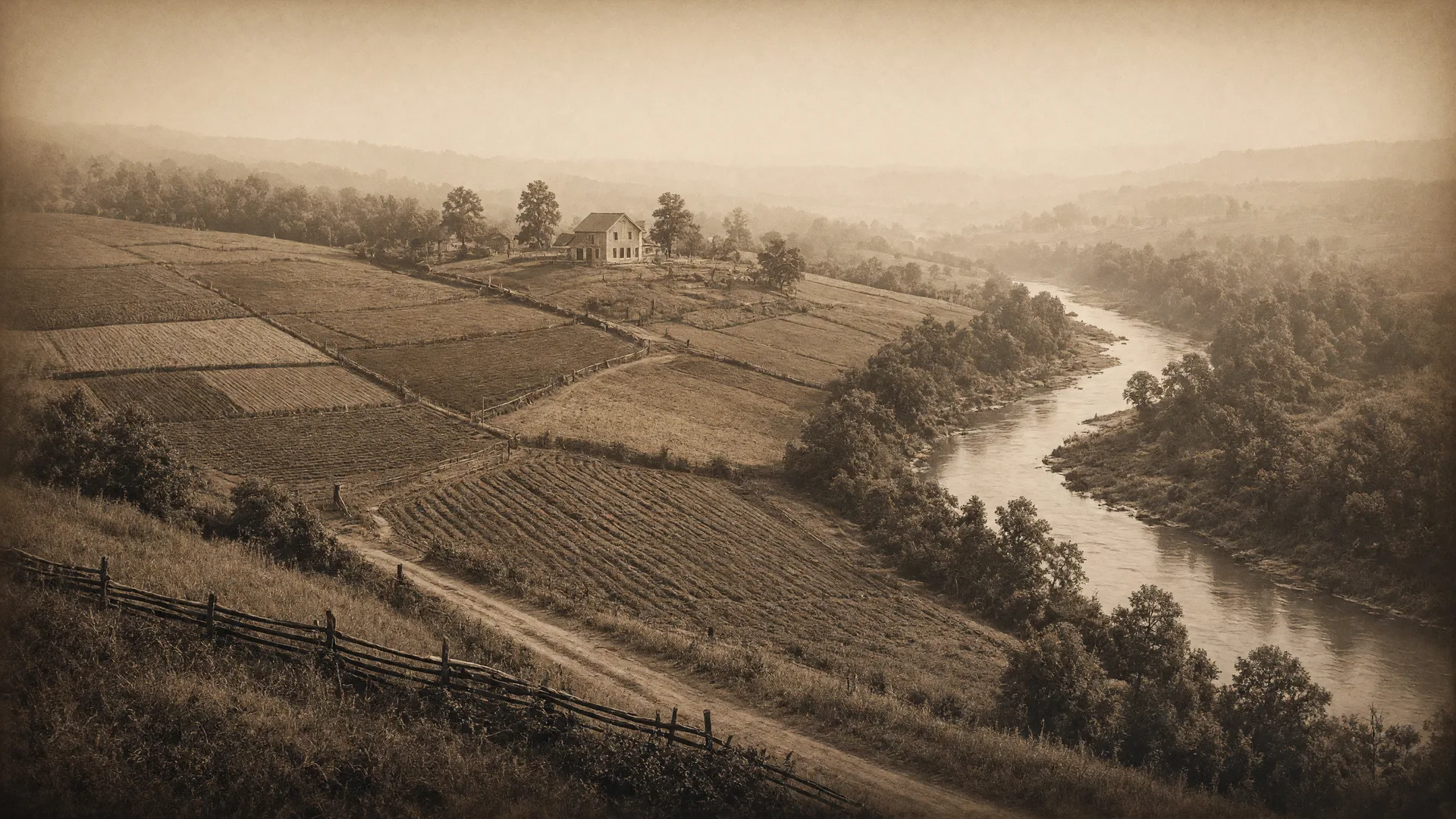
On May 17, 1950, the Flood Control Act of 1950 authorized Hartwell Dam, the second unit in the comprehensive development of the Savannah River Basin. The water would not begin to rise for nearly eleven years. The first construction money did not flow until July 15, 1955, and the first major contract, for the earth embankments, was not awarded until October 14, 1955. In between stretched a strange and ordinary interval: five years when the valley knew the lake was coming and kept living anyway.
The waiting that looked like nothing
The years between 1950 and 1955 did not look like a prelude to anything. The Flood Control Act passed in Washington, and the valley went on farming. Hart County's families planted by the same river bottoms they had always planted, the Tugaloo and the Savannah running their old courses, the bottomland cotton and corn going in on the same ground the Corps would soon map, buy, and cover. The promise the project carried, flood control below the dam for the Augusta reach, hydroelectric power, and improved navigation, was a promise to be fulfilled a decade away.
For most people in the valley, those five years were simply the 1950s arriving: the new tractor in the shed, the radio in the kitchen, the children starting at the county schools, the church suppers and the porch evenings. Communities do not leap from one era to the next because a bill was signed. They live through the interval, and the interval usually looks like the same life as the year before, with surveys appearing on the river farms and talk in the stores about what the government would pay.
On the high ground, the waiting was easiest
At 257 Methodist Park Lane, the farmhouse was already seventy-seven years old when the act passed. The family on the high ground watched the same news the valley watched, but the land they stood on answered the only question that mattered: it sat above where the water would ever be allowed to reach. The flat 4.546 acres, the mature pecan grove, the porch facing the valley and the southern sun, all of it had been chosen in the 1870s for reasons that had nothing to do with a reservoir, and those reasons, high, flat, drained, and fertile, were exactly the reasons the property would survive the project untouched.
That is the quiet lesson of the years between. While families in the bottomlands weighed offers, moved houses, and made the wrenching decision to leave ground their grandparents plowed, the family at 257 did not have to choose. The high ground did the choosing. Their waiting was the ordinary waiting of a farm family in the early 1950s: harvests, holidays, the church bells up the lane, the children growing. They did not know they were living through the last years of the old valley from the best seat in the county, but that is exactly what they were doing.
The money, the objections, and the slow machinery
Big projects move on their own clock. Congress had estimated the work at $68.4 million at 1948 price levels, and there were years of appropriations, surveys, and hearings before the ground moved. The loudest objection came from Clemson College, which argued the project would irreparably damage its land along the Seneca River, and construction was briefly halted while the dispute was worked out. Only on July 15, 1955, more than five years after the act passed, did the first construction appropriations arrive, and only on October 14, 1955 was the first major contract, for the earth embankments, awarded.
To the families who would be displaced, those years of waiting were not administrative delay; they were ordinary life continuing next to a decision already made. The valley kept its schools open, its harvests coming in, its weddings and funerals, its ordinary business, all of it under the shadow of a map that was already drawn. That is a specific kind of courage, the courage of living fully in a place you have been told will be gone, and it deserves more remembering than it usually gets.
The builders' decade that followed
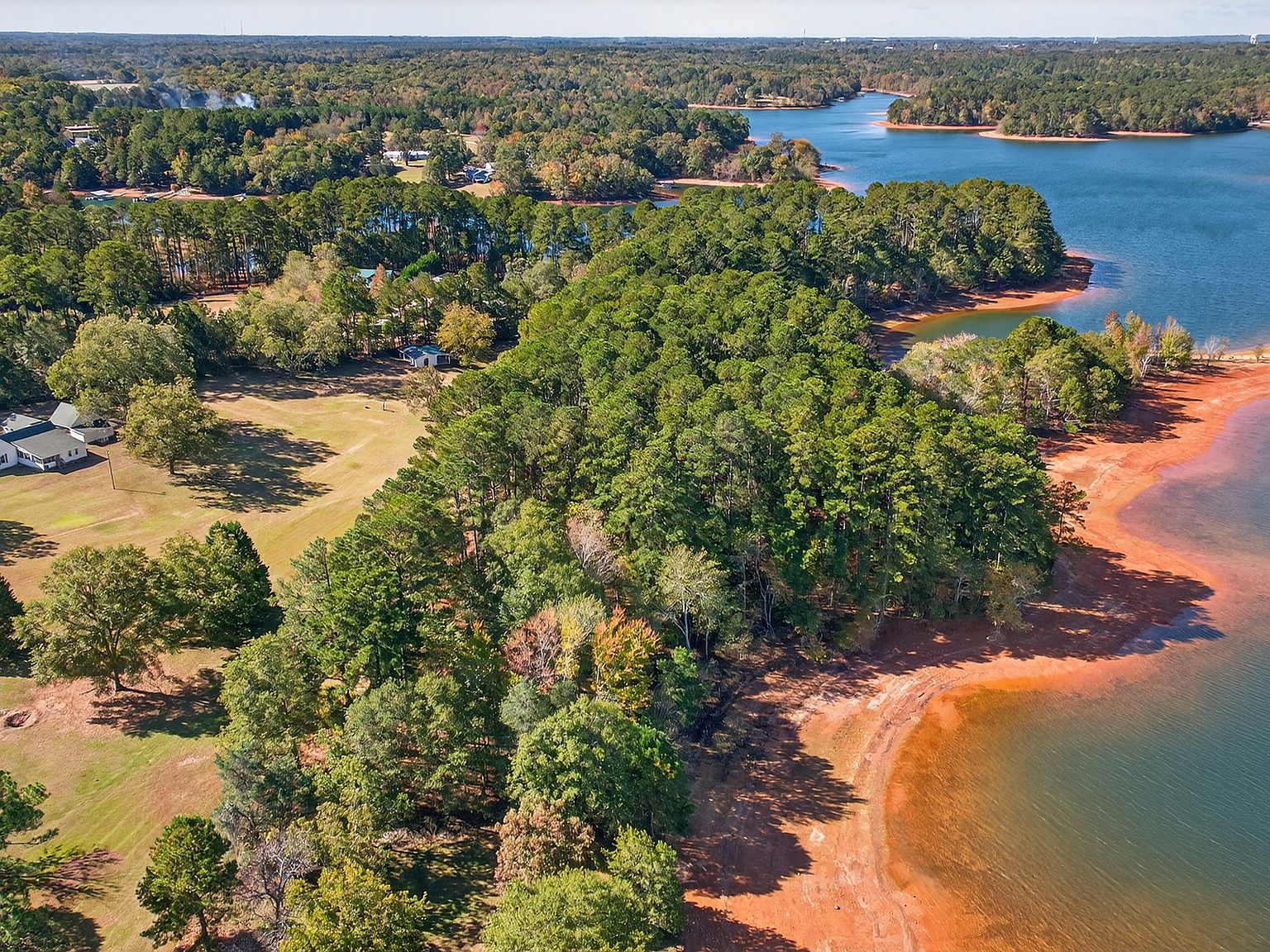
With the money flowing, the transformation came fast by the standards of the century that had preceded it. Between 1955 and 1962 the Corps built the dam, relocated roads and rail, and cleared the basin. The water began rising in February 1961 and reached full pool, the 660-foot elevation, on March 12, 1962, covering the river bottoms, the bridges, and the towns that lay beneath the new reservoir. The final bill came to about $89.2 million, and Lake Hartwell, roughly 56,000 acres of water with 962 miles of shoreline, took the place of the valley on the map.
The high ground watched all of it. From a porch that predated the project by nearly nine decades, the family at 257 Methodist Park Lane saw the graders and the concrete, saw the water climb past the old riverbanks and into the bottomlands, and stayed. The valley became a lake, and the farmhouse became a lakefront estate, without the ground ever changing hands. The waiting of 1950 to 1955 had been the easy part; the watching of 1955 to 1962, the seeing of a whole world replaced by water, was the part that required nerve.
What the years between teach
Every generation of this property's story has had a waiting period, and each one has been decided the same way: the land held, and the family held with it. The years between authorization and construction are the purest version of that lesson. Nothing dramatic happened on this land from 1950 to 1955, and that is precisely the point. The family who holds high ground during the waiting is the family who owns the future when the waiting ends.
Today 257 Methodist Park Lane is one of the last remaining large-acreage waterfront parcels on Lake Hartwell's Georgia shoreline, a two-bedroom, two-and-a-half-bath historic home on 4.546 flat acres with a lakeside pavilion, mature pecans, and 56,000 acres of water as the view. The property is, once again, in the years between: between the generations who held it and the family who will hold it next. Like the family of 1950, the next owner only has to do one hard thing, which is to stay on high ground and let the future come to them. Written by Amy Petrenko of The Petrenko Group.