
Generations
The farm that outlived the farm county: 2,593 farms in 1930, 507 by 1987, and the high acres that never left the family
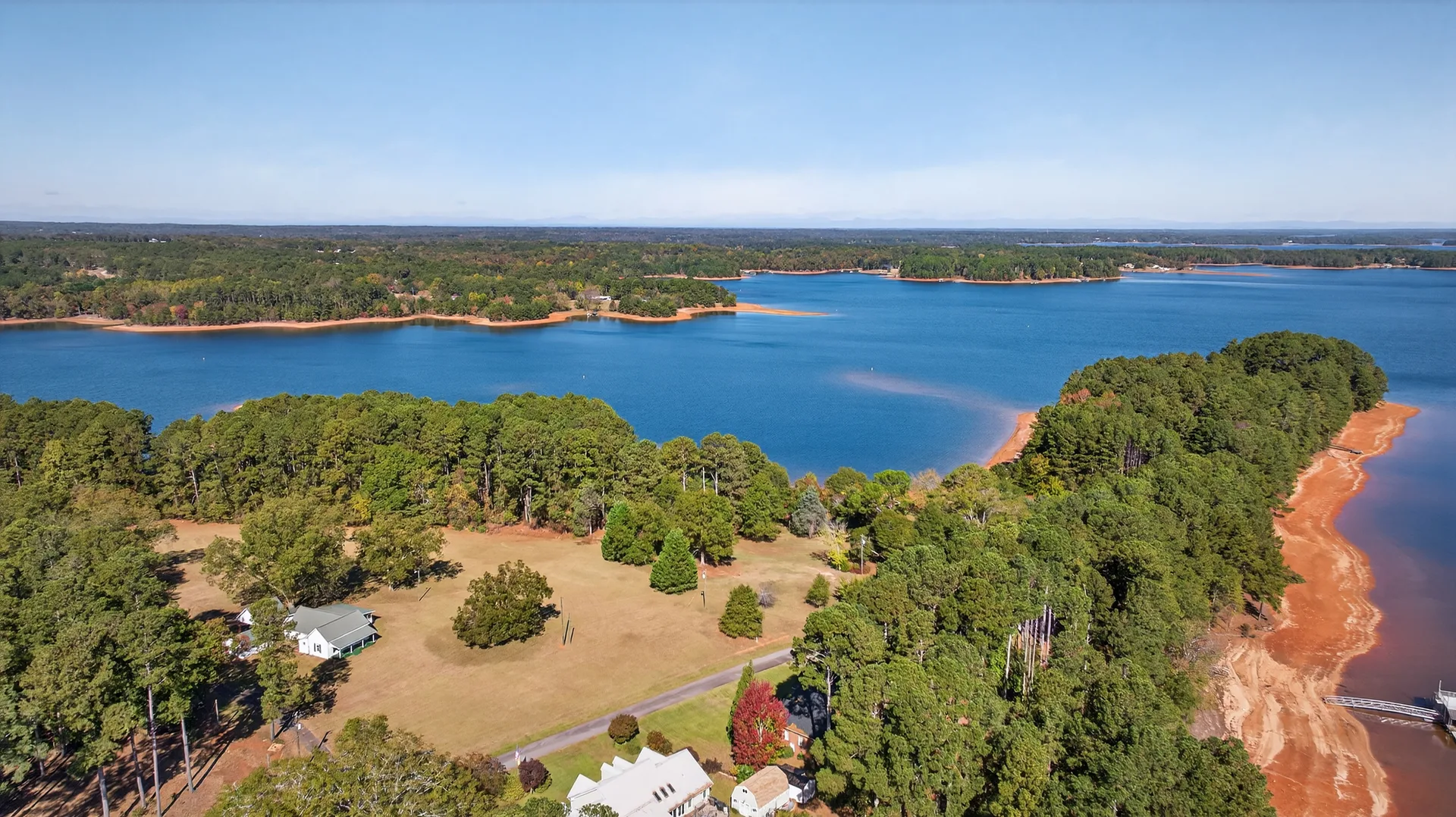
What happened to Hart County's farms when Lake Hartwell came? The census records are the most honest answer: 2,593 farms in 1930, 507 farms by 1987, and more than half the county's farmland gone, with the acreage in farms falling from roughly 140,000 acres to about 62,000. Yet one small, high parcel, 4.546 acres at 257 Methodist Park Lane, never left its family. The farm census tells the county's story of change. The pecan trees tell the story of the ground that outlasted it.
1930: the valley at its busiest
In 1930 Hart County counted 2,593 farms, a number that takes a moment to register. That is nearly one farm for every six of the county's roughly 15,000 residents, a landscape of small holdings where most families grew at least some of their own food and a crop for the market, cotton above all, alongside corn, livestock, and gardens. The county itself was still young by Southern standards, formed in 1853 from parts of Elbert and Franklin and named for Revolutionary War heroine Nancy Hart, and its early settlers had farmed along the Tugaloo and Savannah on ground that had been Cherokee country.
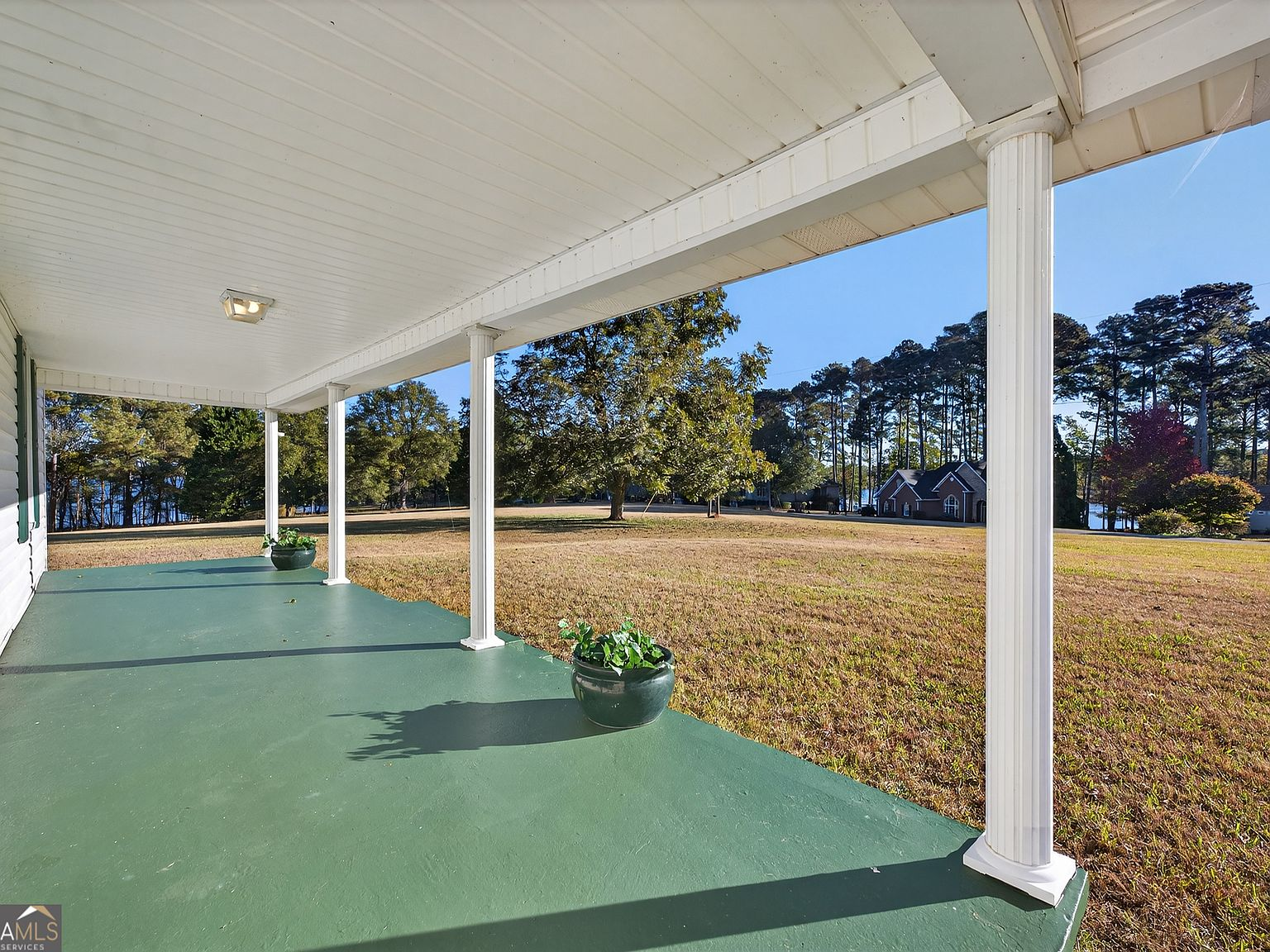
The farmstead at 257 Methodist Park Lane fit the county's pattern from the inside. The house dated to 1873, the hand-dug well still sat by the kitchen, the garden patch fed the table every growing season, and the pecan trees, planted by an earlier generation around the house, were already old and heavy. The ground along the river bottoms held the row crops. The high ground held the home.
The long thinning before the water
The count of 2,593 farms did not survive the century that followed. Through the Depression, the droughts of the 1930s, the boll weevil's long war on cotton, and the steady logic of consolidation, small farms across the rural South merged into larger ones or disappeared entirely, and Hart County was no exception. The trend was already moving before the first bulldozer arrived at the dam site: fewer farms, bigger farms, farmland slowly giving way.
And then the valley learned, officially, what it had been told informally for decades. By 1949, the federal government was informing landowners and tenants along the upper Savannah that their land would be permanently flooded once the authorized dam was built. Homes, barns, churches, and the old Alford School were razed. Cemeteries were moved to high ground. Families who had farmed the bottomlands for generations accepted the offers or left on their own, and the live-by-the-river version of Hart County began its last season.
The lake rewrites the county's work
Hartwell Dam closed its gates in 1961, the reservoir climbed to full pool at 660 feet on March 12, 1962, and the bottomlands that had carried the county's row crops went under roughly 56,000 acres of water. The census told the rest of the story: by 1987 the county had 507 farms, and the farmland that once covered something like 140,000 acres had fallen to about 62,000. On paper, the farm county was nearly gone.
On the ground, the county simply changed careers. The reservoir drew visitors, then retirees, then a real economy of marinas, builders, restaurants, and lake living, and the county's population grew by about thirty percent between 1970 and 2000. The square kept its courthouse and its storefronts. The church on the lane kept its congregation. The farms that remain in Hart County today are larger and far fewer, and they share the county with a recreation economy no one in 1930 could have imagined.
One parcel that did not follow the trend
Through every line of that census, one parcel stayed put. The 4.546 acres at 257 Methodist Park Lane were never sold, never split, and never let go, through the cotton years, the consolidation years, the construction years, and the lake years. The family's arithmetic across six generations was simple and consistent: the flat, private, elevated ground was the part of the farm that mattered, and it was the part the lake could never take.
The farm census records the disappearance of a way of life in Hart County. The pecan grove at 257 records its persistence. The fields that fed the family are under the lake now, and the family is gone from the census ledger entirely, but the high ground they kept became one of the last remaining large-acreage waterfront parcels on Lake Hartwell's Georgia Corps of Engineers shoreline. The county traded its farms for a lake. This land traded its bottomland for a view, and the view is what endures. That is the difference between a farm that follows the county's trend and a place that sets its own.