
Generations
What it took to hold this land: the quiet labor of keeping 257 Methodist Park Lane across 153 years
We have spent our careers helping families find the right property. We understand what goes into a real estate transaction. But when we walk the land at 257 Methodist Park Lane, we are struck by something that no closing statement, no appraisal, and no inspection report can capture. The act of keeping a property alive for 153 years is not a transaction. It is a vocation.
What the physical evidence tells us
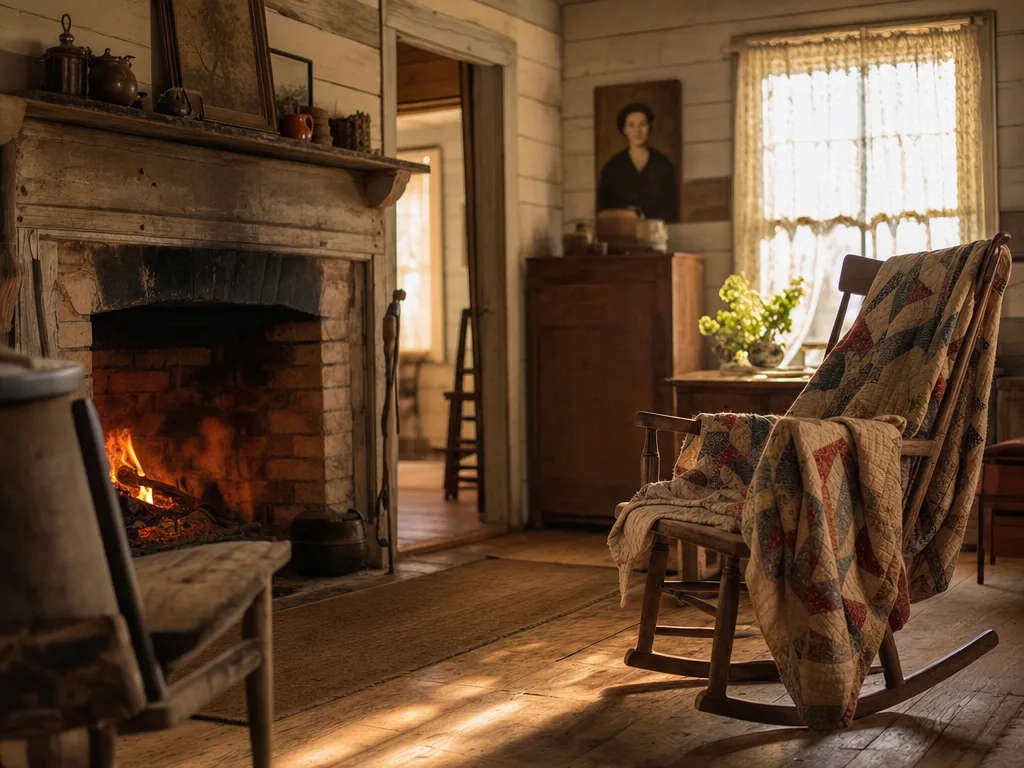
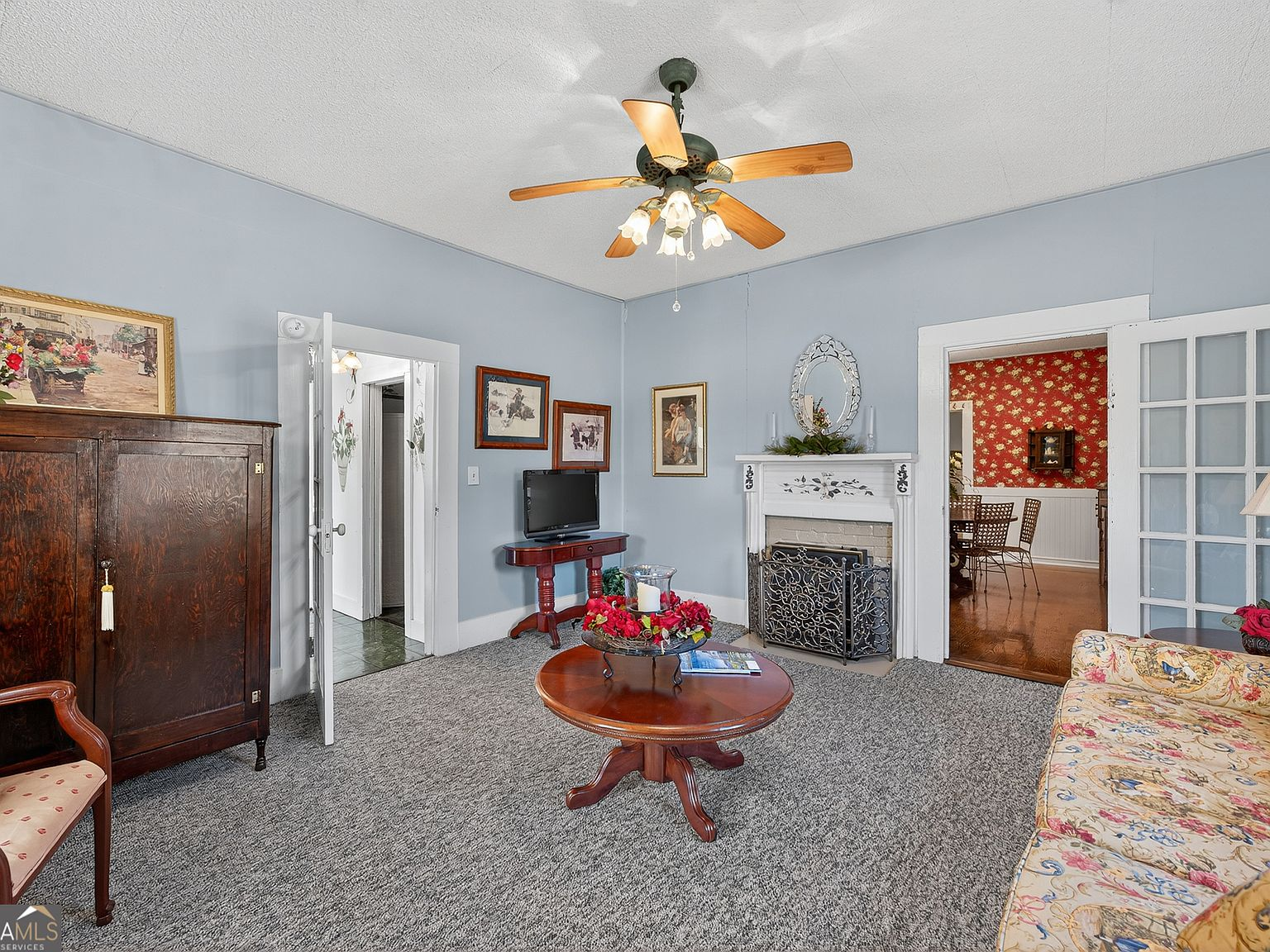
Step into the living room of the 1873 farmhouse and look closely. The floorboards have been sanded and refinished more than once. The fireplace has been cleaned, re-pointed, and repaired. The window sash cords have been replaced. The door hardware is original but functional, because someone has oiled the hinges and tightened the screws across the decades.
These are not the marks of neglect. They are the marks of care. A property that has been well-maintained for 153 years carries the evidence of every generation that has loved it. The porch boards are worn smooth not from a single season but from a century and a half of footsteps. The foundation has settled as foundations do, but it has been watched, monitored, and adjusted when necessary. The roof has been replaced, the plumbing has been updated, the electrical system has been brought into the modern era, but the bones of the house have never been abandoned.
That continuity is the rarest quality in real estate. We have toured thousands of properties across Lake Norman, Charlotte, and Lake Wylie. Most have been well-maintained by their current owners. Few show the layered evidence of generational care. You can feel the difference when you walk through the door. A home that has been loved by one family for twenty years feels warm. A home that has been loved for six generations feels permanent.
The cost of keeping it
We should be honest about what a property like this demands. A historic home is not a passive investment. It requires attention, resources, and a willingness to work with materials and methods that are not always compatible with modern construction practices. The pecan trees need to be pruned. The foundation needs to be monitored. The porch columns need to be painted. The lakeside pavilion needs maintenance after every season of use.
But there is a difference between maintenance and stewardship. Maintenance is the work you do to keep a property functional. Stewardship is the work you do to keep a property alive. The family that held 257 Methodist Park Lane understood this distinction. They did not simply maintain the house. They stewarded the land. They planted trees that would not bear fruit for a decade. They built a home with materials that would outlast them. They chose to stay through the creation of the lake, through the transformation of their river valley into a reservoir, through the decades of change that pushed so many other families to sell.
That choice was not free. Every generation that held this land made sacrifices to keep it. They poured income into repairs when the income could have been spent elsewhere. They stayed when moving would have been easier. They passed down not just the deed but the obligation to care for something larger than themselves.
What we bring to this conversation
We have written before about our own journey. Sixteen moves across twenty years of military service. We know what it means to never own the ground beneath your feet. We also know what it means to care deeply for a place, to invest in a community, to build something that will outlast your time in it, even when the next assignment letter is already on the way.
That experience has given us an unusual perspective on a property like 257 Methodist Park Lane. We understand the families who sell legacy properties, because we have seen how wrenching the decision can be. And we understand the buyers who are drawn to them, because we have spent our lives searching for the permanence that a property like this represents.
The buyer for 257 Methodist Park Lane will not be someone who wants a turnkey lake house. The buyer will be someone who understands that a 153-year-old property is not a product. It is a partnership. The next owner will not simply live here. They will become the generation that keeps the pecan trees producing, the porch columns painted, the foundation monitored, the story alive. That is a weight. But it is also a privilege that fewer than a handful of Lake Hartwell properties can offer.
What the next generation inherits
The next owner of 257 Methodist Park Lane will inherit more than a house and land. They will inherit the accumulated wisdom of every generation that came before. The knowledge of where the frost settles first. The understanding of which trees need pruning and which should be left alone. The practiced familiarity with a house that breathes differently in every season.
They will also inherit the obligation to pass it along. Not necessarily to a blood relative. The family that has held this property since the 1800s is ready to pass it to someone new. But the values that kept the property intact for 153 years do not have to end with the sale. The next owner can choose to carry them forward. They can be the generation that keeps the pecan trees standing. The generation that hosts the August gatherings at the pavilion. The generation that teaches the next one how to care for the porch, the lake, the land.
That is the real question at the heart of this property. It is not whether the price is fair or the square footage is adequate. It is whether you are ready to carry a story that started in 1873 and is waiting for its next chapter.