
Generations
The lake at 65: from the valley that flooded in 1961 to the water the grandchildren wake up on
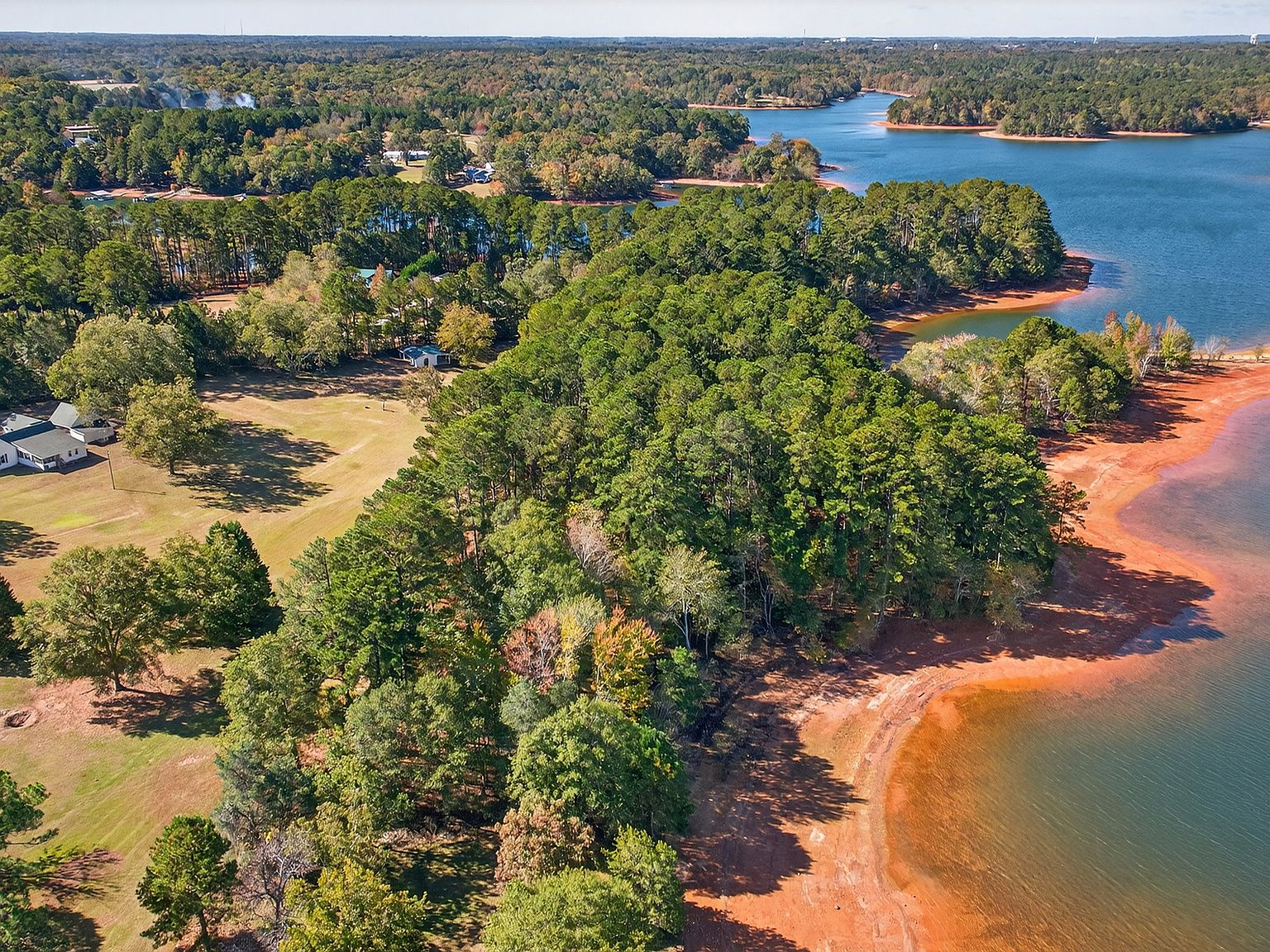
Lake Hartwell is a young lake, and that is easy to forget. The water began rising over the Savannah River valley in February 1961, and it reached full pool on March 12, 1962, sixty-five years ago. In that time the lake has become so central to life in Hartwell and the surrounding counties that it is hard to imagine the place without it. But the land at 257 Methodist Park Lane was here before the lake, and it has been held by the same family the whole way through. This is what sixty-five years of lake life look like from a property that watched the water come.
The valley that became the lake
Before the dam, the Savannah River ran through a working valley. Farms and small communities lined its banks, and the confluence of the Tugaloo and Seneca rivers lay just upstream of where the dam would eventually stand. When the U.S. Army Corps of Engineers began impounding the water in February 1961, the rising pool slowly covered the bottomlands, the fields, the roads, and the towns beneath what is now nearly 56,000 acres of water with close to a thousand miles of shoreline.
The most famous of the lost places is Andersonville, South Carolina, a river-port town established in 1801 at the confluence of the two rivers, whose site now lies beneath the lake. But it was not only towns that flooded. Hundreds of farms and small communities along the valley were inundated, and thousands of families were displaced as the water rose. Graves were relocated to new cemeteries under Corps contracts. The valley that had been home to generations became a reservoir, and the people who lived there had to decide what to do with the land that remained.
Why the family stayed on the high ground
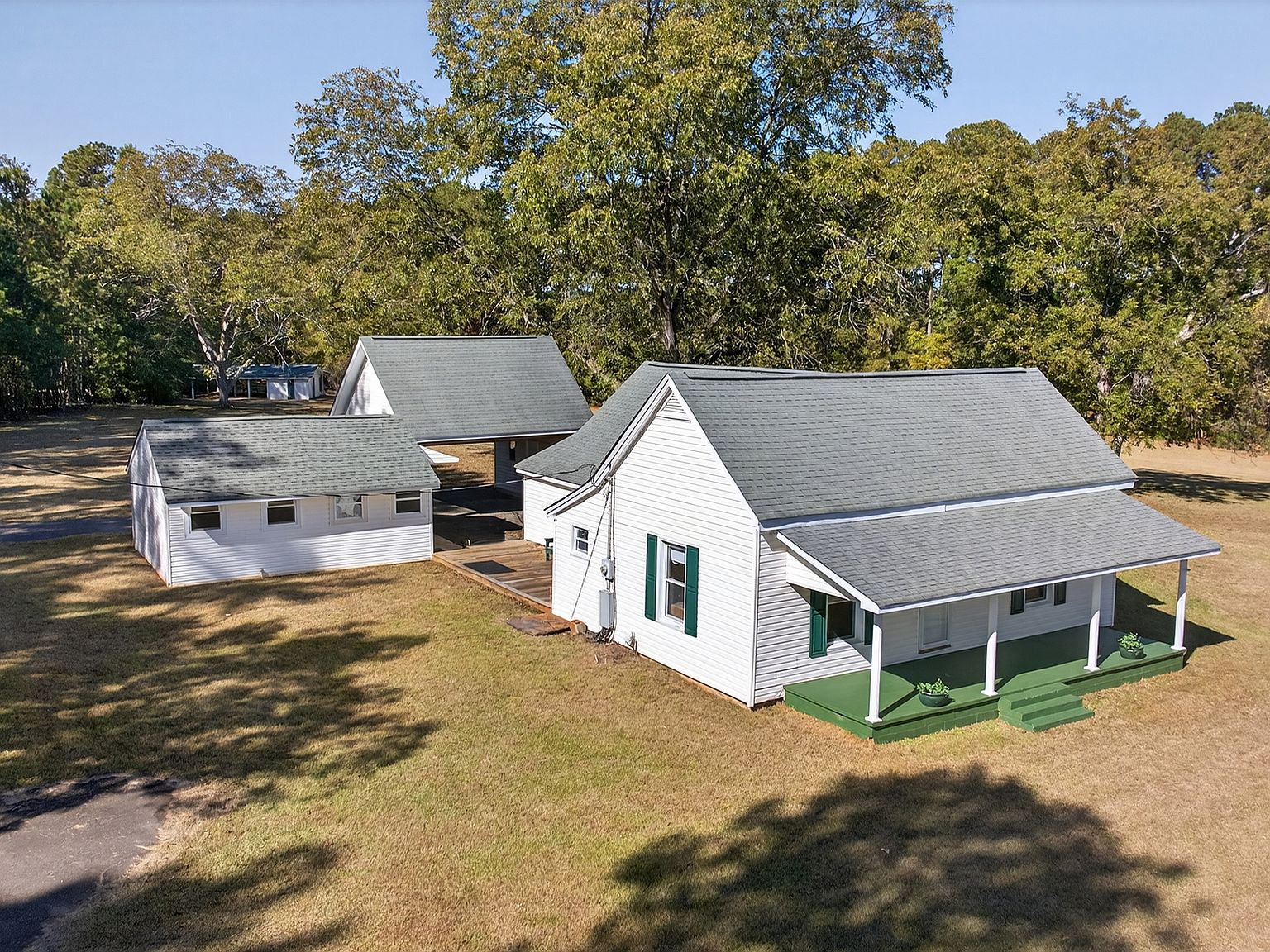
The family at 257 Methodist Park Lane was among those who chose to stay. The house, built in 1873, sits on high ground that the rising water never reached. Where the bottomlands flooded, the farmhouse and its pecan trees stood above the new shoreline, and the family watched the river valley become a lake from the same porch their ancestors had built. It was not a small decision. Neighbors sold and moved on. The land they had known as fields became waterfront, and a property that had been a farm became something else entirely.
That choice, made in the early 1960s, is the reason the property is what it is today. The high ground that kept the house dry through the flood years is the same high ground that gives it the coveted Georgia shoreline views now. The family did not set out to buy lakefront. They set out to keep the land their family had held since the 1800s, and the lake came to them. Sixty-five years later, that is the whole story of the property in one line.
Six decades of lake life
In the sixty-five years since, the lake has shaped every generation that has lived on this land. The grandchildren of the people who watched the water rise learned to swim in it. The pavilion was built for the gatherings that a lakefront property makes possible. The screened porch and the open-air deck were added to face the water. And the flat, private acres that once grew crops now host family reunions, weekend guests, and the quiet mornings when the mist sits on the lake and the property belongs to whoever is up early enough to see it.
A property held for generations is not a static thing. It changes with each generation's needs and each generation's vision, while the land itself stays the same. The house is still the 1873 farmhouse, but it has been lived in, repaired, and adapted for a century and a half. The pecan trees are still there. The high ground is still there. And the lake, which arrived in 1961, is now as much a part of the family's story as the house itself.
The lake today
Lake Hartwell today is a working reservoir and a centerpiece of the region. It provides flood control and hydropower, draws anglers and boaters from across the Southeast, and supports the towns along its Georgia and South Carolina shores. Elrod Ferry Landing and Methodist Park, minutes from 257 Methodist Park Lane, are the primary public access points on this stretch of the Georgia shoreline. The Corps keeps the shoreline natural and undeveloped, which is why the view from the high ground still looks the way it does.
The lake is also a managed body of water, and its level rises and falls with the seasons and the years. This autumn, as the Corps manages the pool through a low-water period while it works on a long-term fix at the saddle dike, the lake sits lower than its traditional full pool. For a property on high ground, that is a reminder of the same lesson the family learned in 1961: the water is never permanent, but the land is. The view from 257 Methodist Park Lane holds through every pool level, because it was chosen for the land, not for the water.
Sixty-five years, and the next generation
Sixty-five years is a long time for a lake and a short time for a family. The grandchildren who wake up on the water at 257 Methodist Park Lane are the descendants of the people who watched the valley flood. They know the lake as the setting of their childhoods, the way their great-grandparents knew the river valley as the setting of theirs. The land has carried both, and it will carry whoever comes next.
That is the rare thing about a property like this one. It is not merely a house on a lake. It is a piece of high ground that has been held, worked, and loved through the creation of an entire body of water, and it now offers the rarest combination on Lake Hartwell: a historic home, four and a half acres of flat private land, Georgia shoreline, and a story that reaches back before the lake existed. Sixty-five years of lake life, and the land that was there before the water came.