
Heritage
The first generation: what the 1873 homesteaders knew about the land at Methodist Park Lane
Before the lake, before the dam, before the pavilion and the dock and the fireworks over the water, there was a family standing on a rise of flat land in Hart County, Georgia, making a decision that would shape the next 153 years. They were looking at a piece of ground that sloped gently toward the Savannah River valley. They were considering the soil, the drainage, the exposure to the sun, the direction of the prevailing winds. And they were deciding whether this was the place to build a home that would outlast them.
What they saw when they found this ground
The year was 1873. Reconstruction was reshaping the South. Families across Georgia were rebuilding homes, planting crops, and making decisions about where to put down roots that would define their children's futures. The family who chose 257 Methodist Park Lane was looking for something specific: land that could sustain a working farm, a home that could shelter a growing family, and a location that offered access to the river without being vulnerable to its floods.
The flat ground they found was unusual for the Georgia Piedmont, where most of the landscape is rolling hills and red clay ridges. This was a natural terrace — a level bench of land that had been shaped by the river over millennia, offering well-drained soil, deep topsoil, and enough elevation to stay dry during spring floods. The previous generation of farmers had likely grazed livestock or planted crops here, but the family who built the home in 1873 saw something more: a place that could support a multi-generational homestead.
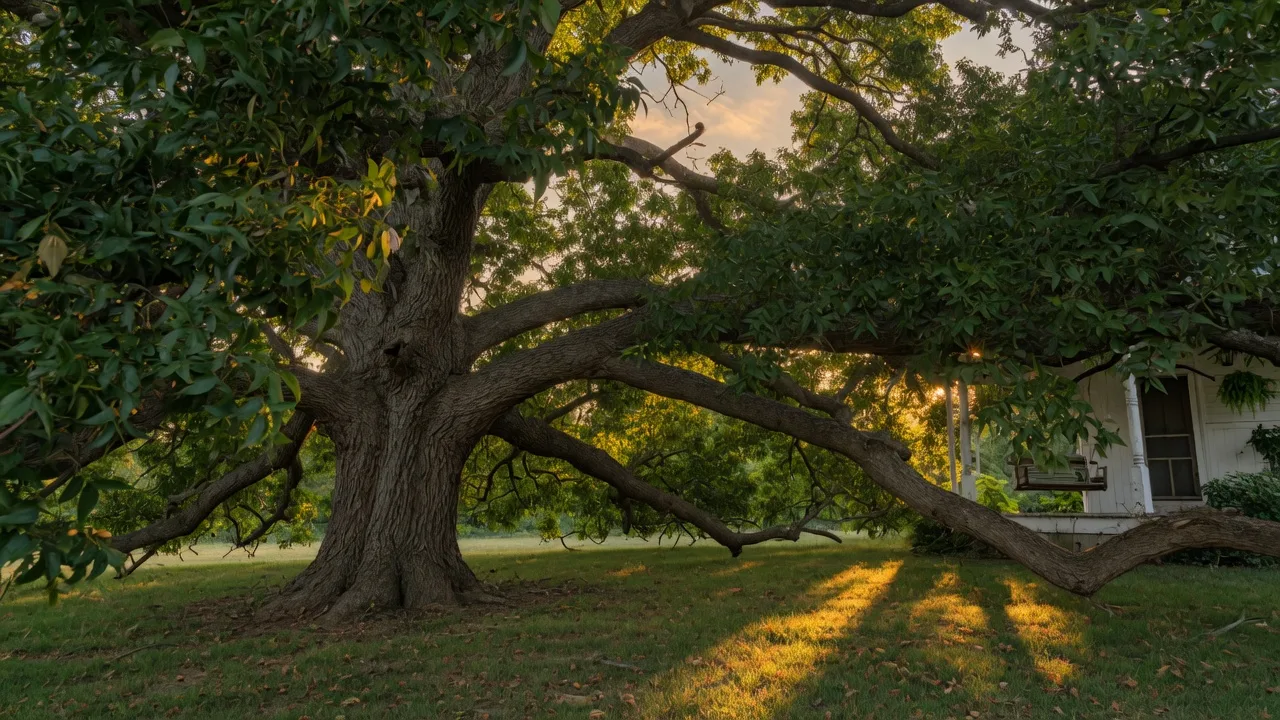
The pecan trees that still shade the lawn were not planted by accident. Pecans are native to the Mississippi River Valley and were cultivated by Native American communities for centuries before European settlement. By the 1870s, Georgia farmers had begun planting pecan trees as a long-term investment — a source of food, income, and shade that would take fifteen to twenty years to mature but would produce for well over a century. The trees at 257 Methodist Park Lane were planted with the understanding that the people who planted them might not be the ones who harvested their full bounty. That is the kind of thinking that defines a generational property.
The knowledge they carried
The first generation to live on this land knew things that most of us have forgotten. They knew which direction the house should face to catch the prevailing summer breezes — the porch was not a decorative addition; it was the primary living space for at least six months of the year. They knew how to frame a structure with local timber, how to join beams without metal fasteners, how to orient the windows to maximize natural light through the short days of winter.
They knew the land's water. The property sits on a natural elevation that provides good drainage — the same elevation that would later protect it from the rising waters of Lake Hartwell. But they also knew where to find fresh water on the property, how deep to dig a well, and how to read the land for signs of underground springs. That knowledge, accumulated over generations of living close to the land, was the infrastructure that made the homestead self-sufficient.
They knew the trees. The pecan grove was the most visible investment, but the property was also dotted with native oaks, hickories, and pines, each providing timber, firewood, or food. A mature oak can produce enough acorns to feed a family's hogs through the winter. A hickory tree provides the best firewood for smoking meat. A stand of pines can be harvested for building lumber or sold for cash. The first generation did not see trees as landscaping. They saw them as a portfolio of resources that required management and patience.
And they knew the seasons. The planting calendar was not a suggestion. It was a survival system. Corn went in the ground after the last frost, typically in late April. Cotton, the cash crop, was planted in early May. The harvest began in late August and ran through October, with the whole family — including children — working from dawn to dusk. The pecan harvest came in November, after the first frost had split the husks. The winter months were for maintenance, repair, and preparation for the year ahead. The first generation did not follow this calendar because they enjoyed it. They followed it because the alternatives were hunger and failure.
The river as a resource and a risk
The Savannah River defined life on this land long before the lake existed. For the first generation, the river was transportation, irrigation, and a reliable source of fish. Catfish, bream, and bass were not sport. They were protein. The river also provided access to markets: families could float goods downstream to Augusta or pole upriver to trading posts, connecting the farm to the regional economy without the need for roads that turned to mud in the spring rains.
But the river was also a threat. The Savannah River valley was prone to devastating floods, particularly in late winter and early spring, when snowmelt from the Appalachian Mountains combined with seasonal rains to push the river over its banks. The bottomland farms that were the most productive in good years were the most vulnerable in flood years. The families who built on the bottomland were taking a calculated risk — and losing that bet could mean losing everything.
The family who built 257 Methodist Park Lane made a different choice. They built on the rise, above the flood plain, on ground that the river could not reach. That decision, made in 1873, protected the property from the river's seasonal floods. And eighty-two years later, when the Corps of Engineers began acquiring land for the Hartwell Dam, that same elevation protected the property from the federal government's acquisition. The first generation could not have known about the dam. But they knew that building on high ground was the right choice, and that knowledge — passed down through generations of people who had watched the river rise and fall — was the reason the property survived.
What they built that still stands
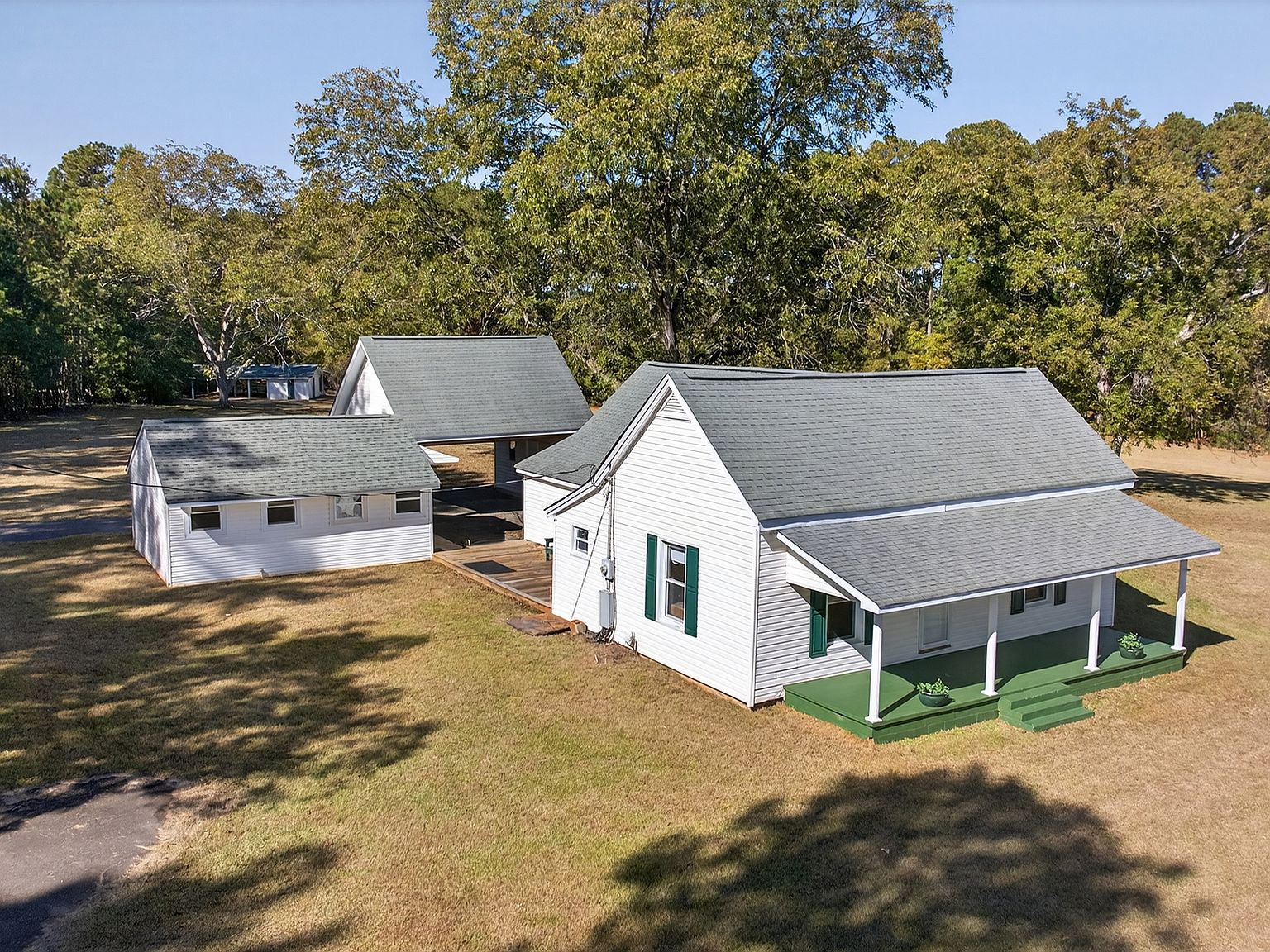
The home that the first generation completed in 1873 is still standing. It has been expanded, updated, and modernized across six or seven generations, but the core structure — the foundation, the framing, the proportions — remains what it was when the first family moved in. That is not an accident. It is the result of sound construction, careful maintenance, and a design that anticipated the needs of a family that would live on this land for generations.
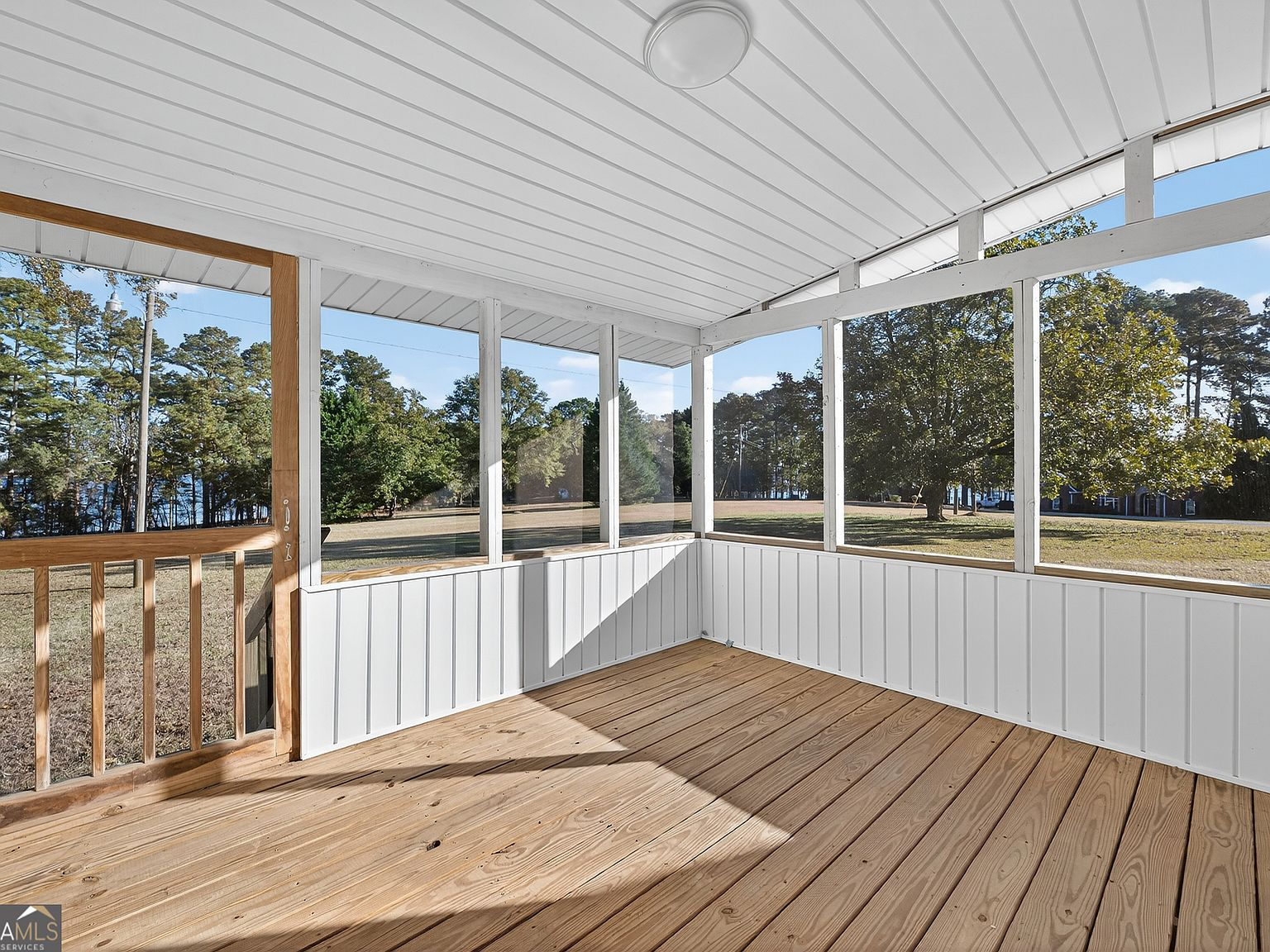
The original home was modest by today's standards: a 2-bedroom, 2.5-bath residence that prioritized function over form. The rooms were arranged to maximize the cross-breeze. The porch was deep enough to provide shade and shelter from afternoon thunderstorms. The windows were positioned to capture the morning light in the kitchen and the evening light in the living spaces. These were not aesthetic choices. They were survival choices, made by people who understood that a well-designed home could reduce the burden of daily life by a measurable margin.
The pecan trees they planted are still producing. The flat lawn they cleared is still the center of the property. The elevation they chose is still the reason the lake views are unobstructed. The first generation could not have imagined the lake, the dam, the 56,000-acre reservoir, the 9 million annual visitors, the boats and the fireworks and the festivals. But they built the kind of property that could absorb all of those changes without losing its essential character. That is what it means to build for the long term.
What the first generation would recognize today
If the first generation returned to 257 Methodist Park Lane today, they would be disoriented by the lake. The river valley they knew, the bottomland farms, the distant neighbors, the roads that connected their community — all of it is underwater. The landscape has been transformed more dramatically in the past seventy years than in the previous seven thousand.
But they would recognize the land they chose. The flat ground is still flat. The elevation is still above the water. The pecan trees are larger, but they are the same trees — planted by the same hands that framed the house. The porch faces the same direction. The breeze comes from the same quarter. The soil is the same red Georgia clay, and the seasons follow the same calendar that the first generation learned from their parents and taught to their children.
The first generation understood that land is not a commodity. It is a relationship. They chose this ground with care, built on it with skill, and planted trees that would outlive them. They could not have known that the river would become a lake, that the farm would become an estate, that the property would be listed for sale over 150 years after they drove the first nail. But they built the kind of home that was designed to last. And it has.
The question for the next owner is whether they will understand what the first generation understood: that owning this land is not about what you can take from it, but about what you can contribute to it. The pecan trees need care. The historic home needs maintenance. The flat lawn needs management. The community needs participation. But the return on that investment is not measured in dollars per square foot. It is measured in the knowledge that you are part of something that started before you and will continue after you.
The first generation knew that. The generations who held the land through the dam's creation knew it. And the next generation — whoever they are — will have the chance to know it too.