
Generations
The generation that chose to stay: what it cost the family at Methodist Park Lane when the dam came through
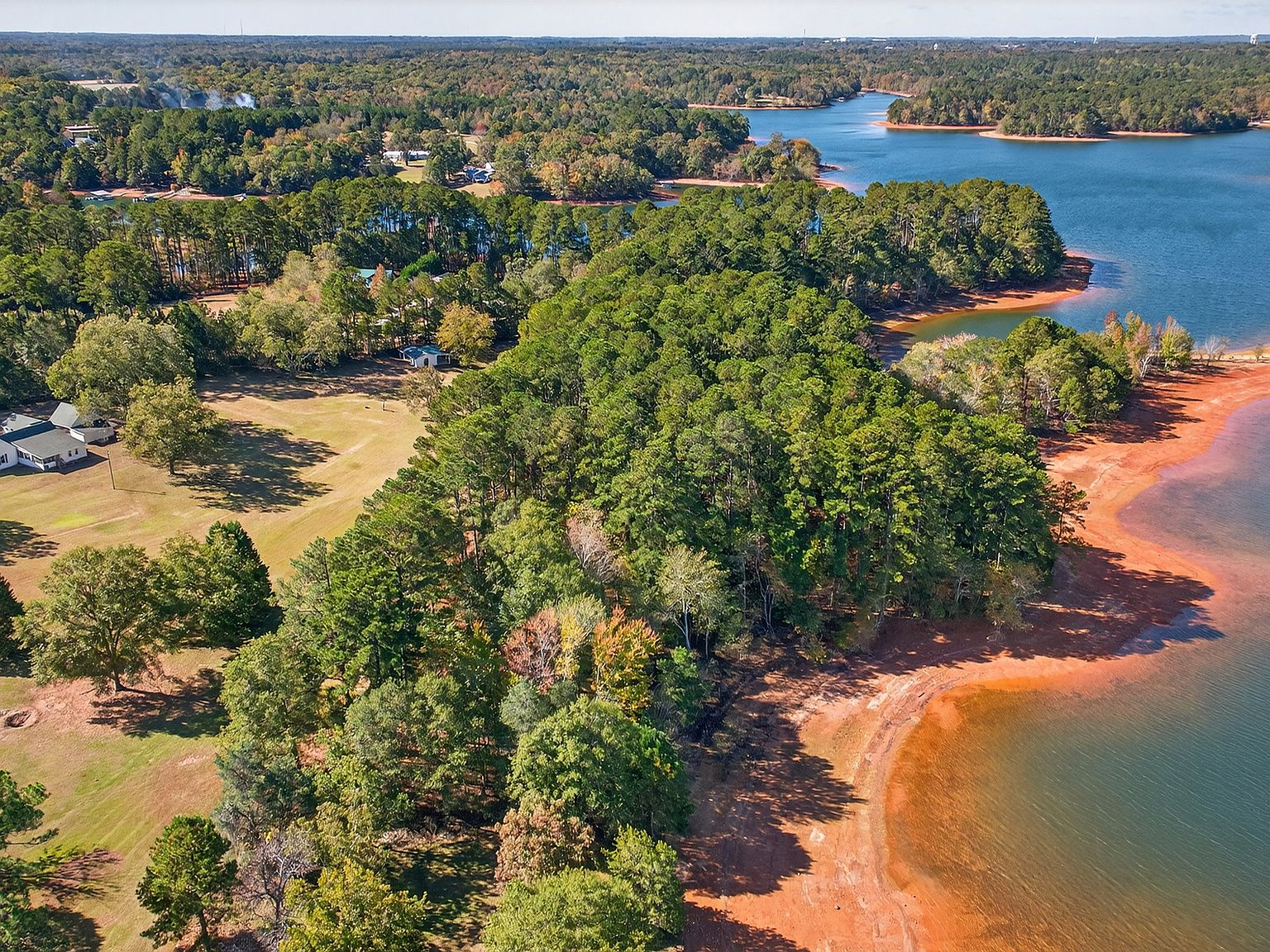
We have spent our careers helping families navigate the most consequential decisions they will ever make about where to live. We understand what it means to weigh a government offer against generations of history, because we have seen clients face versions of that choice — maybe not on the scale of a federal dam project, but with the same fundamental tension between what the market says a property is worth and what the land actually means.
In the 1950s, the family at 257 Methodist Park Lane faced that tension directly, with the full weight of the United States government on one side and everything they had built on the other.
The letter that changed the valley
The Flood Control Act of 1950 authorized the construction of Hartwell Dam, but the actual process of acquiring the land did not begin in earnest until the early 1950s. Families living along the Savannah River and its tributaries began receiving letters from the U.S. Army Corps of Engineers. The letters were official, measured, and devastating. They informed families that their land — land that had been in some families since before the Civil War, land that held the graves of parents and grandparents, land that was not just property but identity — was needed for the public good. The government was prepared to pay fair market value.
The valuations that followed were a source of bitterness that persists in local memory today. According to historical accounts from the Hartwell area, landowners reported that the Corps was "taking their rich, productive land, paying $5 an acre." Five dollars an acre for bottomland that had supported families for generations. Five dollars an acre for the pecan trees, the garden plots, the river frontage. Five dollars an acre to walk away from everything.
The families who received those offers faced a choice that no financial calculation could resolve. Accepting the government's offer meant uprooting a life. Refusing meant fighting the federal government in court — a process that could take years, cost more than the land was worth, and end with the same result under eminent domain.
The community that scattered
Most families accepted and relocated. Approximately 2,000 families were displaced by the creation of Lake Hartwell. Entire communities — including the town of Andersonville, South Carolina, a bustling textile and trading community at the confluence of the Seneca and Tugaloo Rivers — were submerged entirely. Clemson College lost around 7,000 acres of land, mostly wooded but including prime farmland. A political fight accompanied the creation of the lake, with some communities opposing the project and questioning the compensation.
The families who accepted the buyouts scattered across Georgia, South Carolina, and beyond. They took what they could carry and left behind the homes, the barns, the churches, and the cemeteries that had defined their families' place in the world. Some took their compensation and bought smaller farms on higher ground. Others left agriculture entirely, moving to towns and cities where the skills of a river-valley farmer were worth little but the paycheck of a factory job was reliable. The community that had existed along the Savannah River for over a century ceased to exist, not through any catastrophe but through a deliberate, federally funded act of transformation.
The generation that stayed
The family at 257 Methodist Park Lane chose differently. The property sits on a natural rise — high enough above the river valley to sit above the full-pool line that the Corps established for the new reservoir. When the government came to acquire land, the property qualified as survivable. The family was not forced to sell. They could stay.
But staying came with its own costs. The community that had surrounded them for three generations was gone. The neighbors across the river, the families they had shared church suppers and harvests with for decades — they had sold and moved. The dirt roads that led to town were being rerouted or submerged. The Alford's Steel Bridge, which had carried traffic between Georgia and South Carolina since the early twentieth century, was dismantled or flooded. The landscape the family had known since the 1870s was being erased, parcel by parcel.
The family who stayed at Methodist Park Lane did not just lose neighbors. They lost context. The farm that had been part of a working agricultural community became an island of private land surrounded by a construction zone. The years between the dam's authorization in 1950 and the lake's completion in 1963 were a decade of constant disruption — construction crews, surveyors, heavy equipment, and the slow, inexorable rise of the water.
Imagine watching the river you knew become something else, day by day, year by year. Imagine the fog that used to settle in the bottomland not lifting in the same way because the bottomland was gone. Imagine the sounds of the valley — the creak of wagon wheels, the lowing of cattle, the voices of neighbors — replaced by the distant rumble of bulldozers and the silence that follows the departure of a community.
What they kept
The decision to stay preserved the asset that the family had held since the 1870s: 4.546 acres of flat, elevated land with mature pecan trees and direct access to the Savannah River valley — which, once the lake filled, became direct access to Lake Hartwell. But the decision preserved something more than acreage. It preserved the continuity of the property, the unbroken chain of ownership and care that stretches from Reconstruction to the present day.
When we represent a luxury property at The Petrenko Group, we always look at the title history. In our experience as advisors specializing in waterfront estates across Lake Norman, Charlotte, and Lake Wylie, we have learned that a property with an unbroken chain of ownership carries a different kind of value. It means the land was always cared for, always maintained, always someone's priority. The deferred maintenance that accumulates on properties that cycle through investors, speculators, and absentee owners never happened here. The family was present. The family cared. The family held.
That is the inheritance that the generation of the 1950s left to every generation that followed. They could have taken the government's offer, whatever it was — probably not enough, certainly less than the land had given them in food, shelter, and identity over eighty years. They chose instead to stay through the disruption, through the loneliness of watching their community relocate without them, through the decade of construction noise and the slow transformation of their river into a lake. They stayed so that the property would remain intact — not as a museum of what was lost, but as a living piece of the valley that survived.
What staying cost, what staying gave
We cannot know the full weight of what that generation carried. Our own experience of 16 military relocations taught us what it means to uproot a family repeatedly — the strain on children, the loss of community, the constant rebuilding of relationships and routines. We have lived the other side of the equation. What we cannot fully imagine is the opposite: watching your community leave while you stay, and facing the silence that followed.
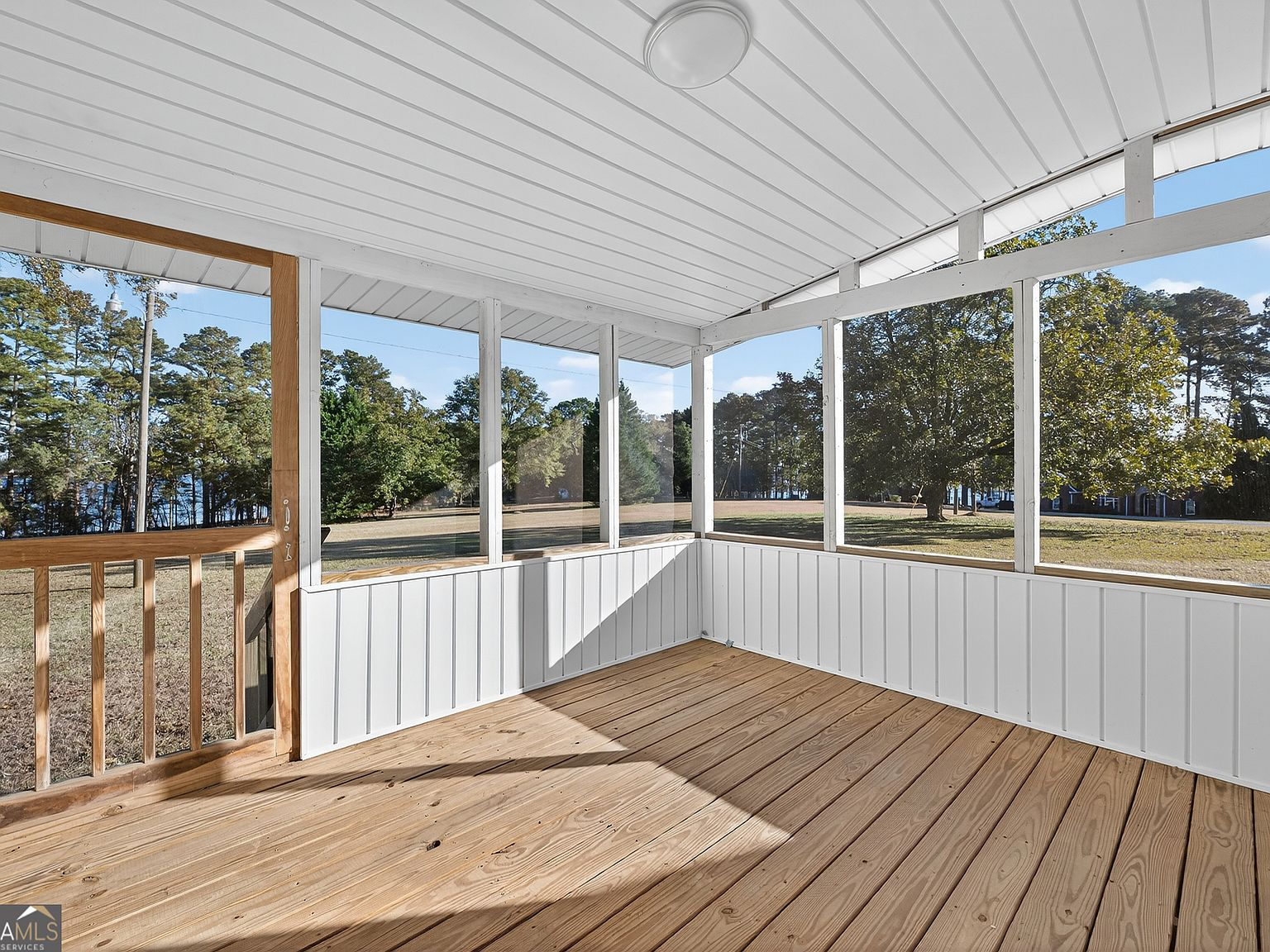
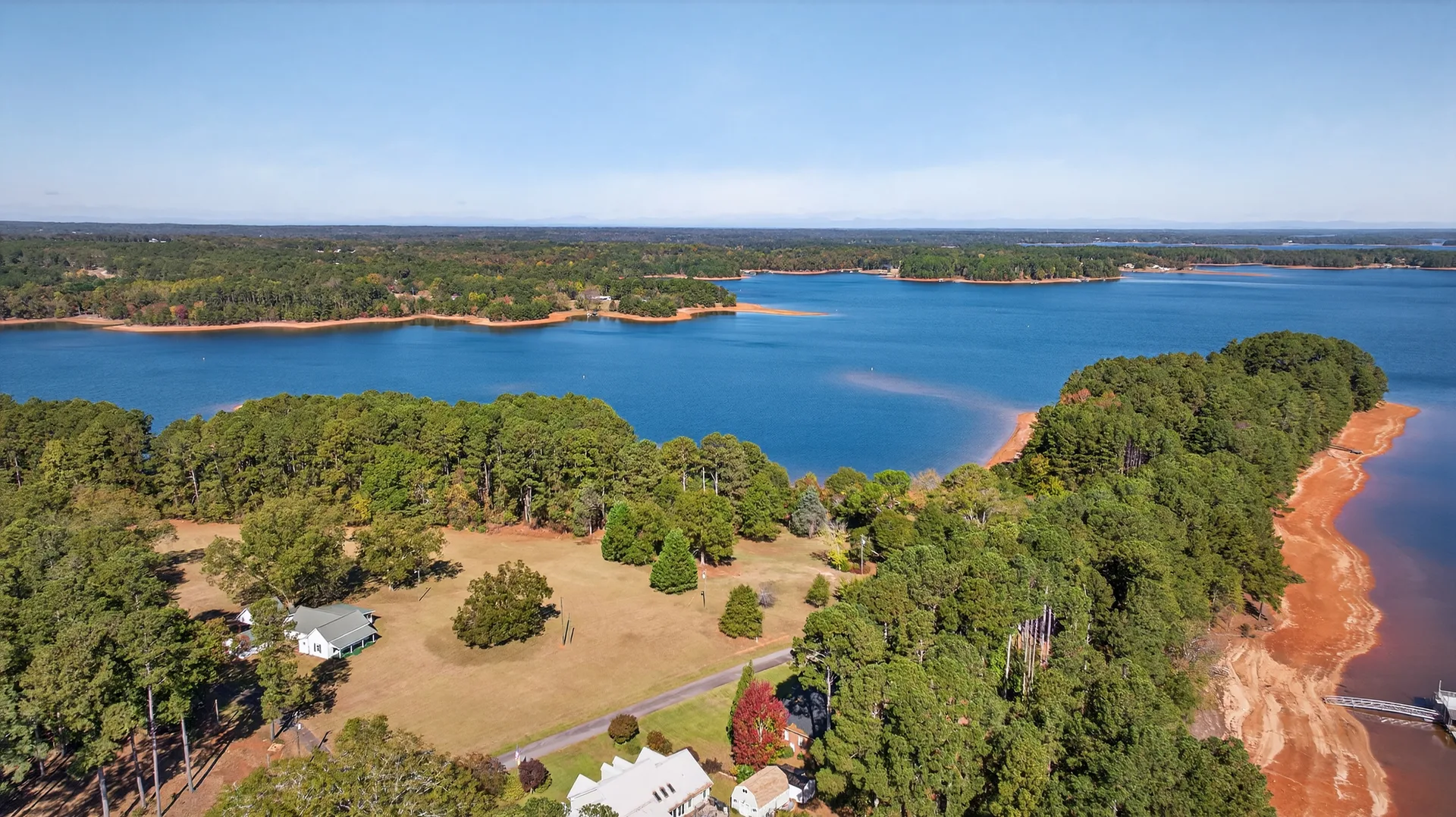
But we can tell you what staying gave. It gave the current generation the opportunity to stand on the porch at 257 Methodist Park Lane and look out at 56,000 acres of Lake Hartwell — one of the most desirable waterfront destinations in the Southeast — from a piece of land that is now one of the last remaining large-acreage parcels on the Georgia shoreline. It gave the pecan trees another sixty years to mature, their roots spreading deeper into the red clay, their canopy thickening into the landmark shade grove it is today. It gave the 1873 farmhouse the chance to become a lakefront estate, with the original structure still standing and the new lakeside pavilion built to enjoy the water that the family who stayed made possible.
Every time we bring a client to this property, we think of that generation. They did not know, in the 1950s, that Lake Hartwell would become a national tournament fishery. They did not know that the property would be featured as a legacy estate in 2026, sought after by buyers who understand the value of unbroken ownership. They did not know that their decision to stay through a decade of disruption would be the very thing that makes this property irreplaceable today.
They stayed because the land was theirs and they intended to keep it. Sometimes that is enough.