
Lake life
The quiet season: what Lake Hartwell looks like when the boats leave
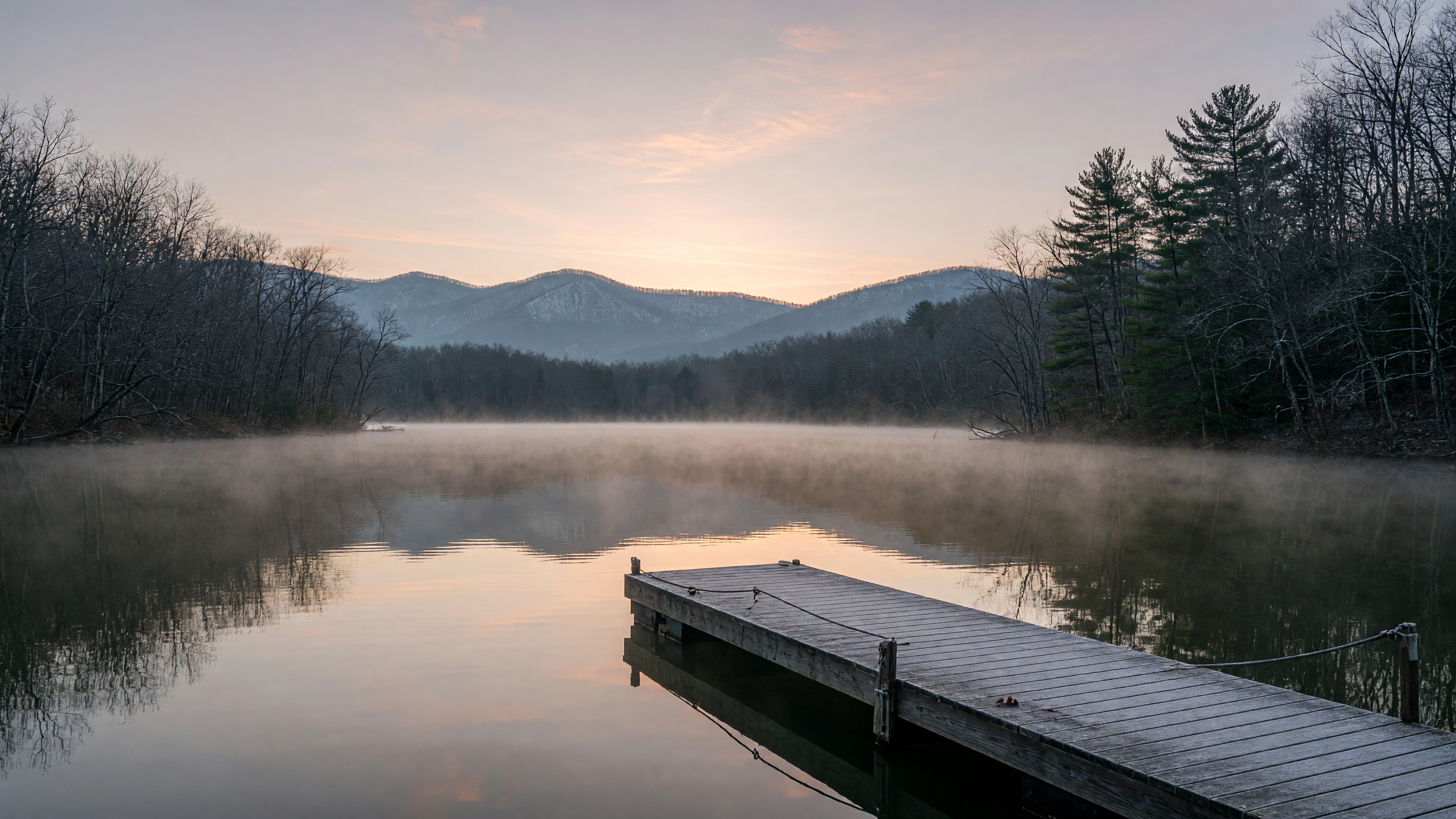
On a December morning at 257 Methodist Park Lane, you wake to silence. Not the absence-of-sound kind — the lake has birds, wind, the occasional distant outboard from a determined fisherman — but the absence-of-crowd kind. The summer boats are shrink-wrapped at the marinas. The weekend pontoons are parked on their lifts. The lake, which in July can feel like a public highway, belongs to you.
The season most buyers never see
Most people encounter Lake Hartwell between Memorial Day and Labor Day. That's when the water is warm, the boats are out, and the community is at its most visible. The Fourth of July fireworks draw crowds. The Bassmaster tournaments bring national attention. The pavilion at 257 Methodist Park Lane hosts gatherings that run from Saturday afternoon to Sunday morning.
But the twelve weeks that define summer are not the twelve months that define the property. Lake Hartwell is a year-round lake — 56,000 acres of water that shifts character with the seasons but never loses it. Winter is when the lake stops performing and starts being itself. And for a certain kind of buyer, that's the most interesting season of all.
What the lake looks like in December
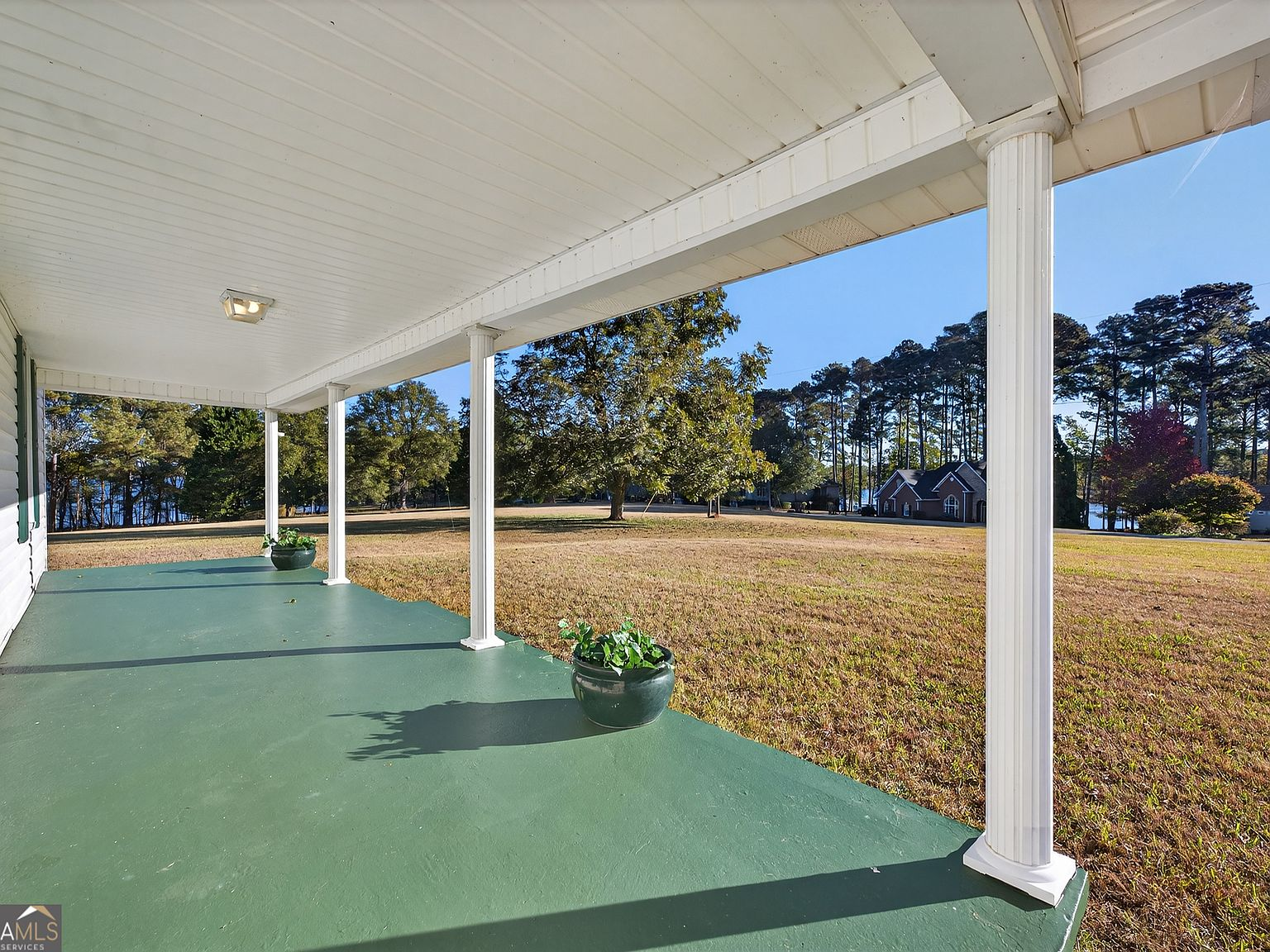
The water temperature drops to the mid-40s. The surface goes glassy on calm mornings, reflecting the bare tree lines along the shore with a clarity that summer's chop never allows. Mist rises off the lake at dawn — not every day, but often enough that it becomes a ritual: coffee on the covered porch, watching the fog lift off the water as the sun clears the Appalachian foothills to the east.
The shoreline, which in summer is hidden behind a wall of green foliage, opens up in winter. You can see further into the coves, read the contour of the banks, and spot the kind of structure — fallen timber, rocky points, submerged ledges — that explains why the fishing is so good here. The lake reveals its architecture in winter, the same way a deciduous forest reveals its bones after the leaves fall.
Hartwell itself stays active, but at a different tempo. The Hartwell Main Street program keeps downtown lit through the holidays. The annual Hartwell Christmas Parade in December draws families to the courthouse square, where the city of Hartwell maintains seasonal decorations and community events. Local churches hold candlelight services. The Hartwell Art Center on East Howell Street runs winter exhibitions. The town doesn't shut down — it narrows, the way small towns do, to the people who live here full-time.
The 1873 farmhouse in winter
The home at 257 Methodist Park Lane was built in an era before central heating, and its winter character reflects that origin. The thick walls, wood floors, and wood-burning fireplace were designed for a Georgia that had real winters — not the mild shoulder seasons that climate change has delivered in recent decades, but genuine cold snaps where the temperature drops below freezing and stays there for a week.
The fireplace is the center of the house in winter. It heats the living room with the kind of radiant warmth that forced-air systems can't replicate — direct, physical, and accompanied by the sound and smell of burning wood. For a family accustomed to modern HVAC, it's a reminder that comfort and character are not the same thing. The fireplace offers both.
The home's two bedrooms are modest by today's standards, but they're proportioned for intimacy. In winter, that proportioning works in the house's favor — smaller rooms hold heat better, and the feeling of being sheltered inside thick walls while the lake is cold and still outside is the whole point. This isn't a summer house that happens to be available in winter. It's a farmhouse that was designed for year-round use, and winter is when that design choice pays off.
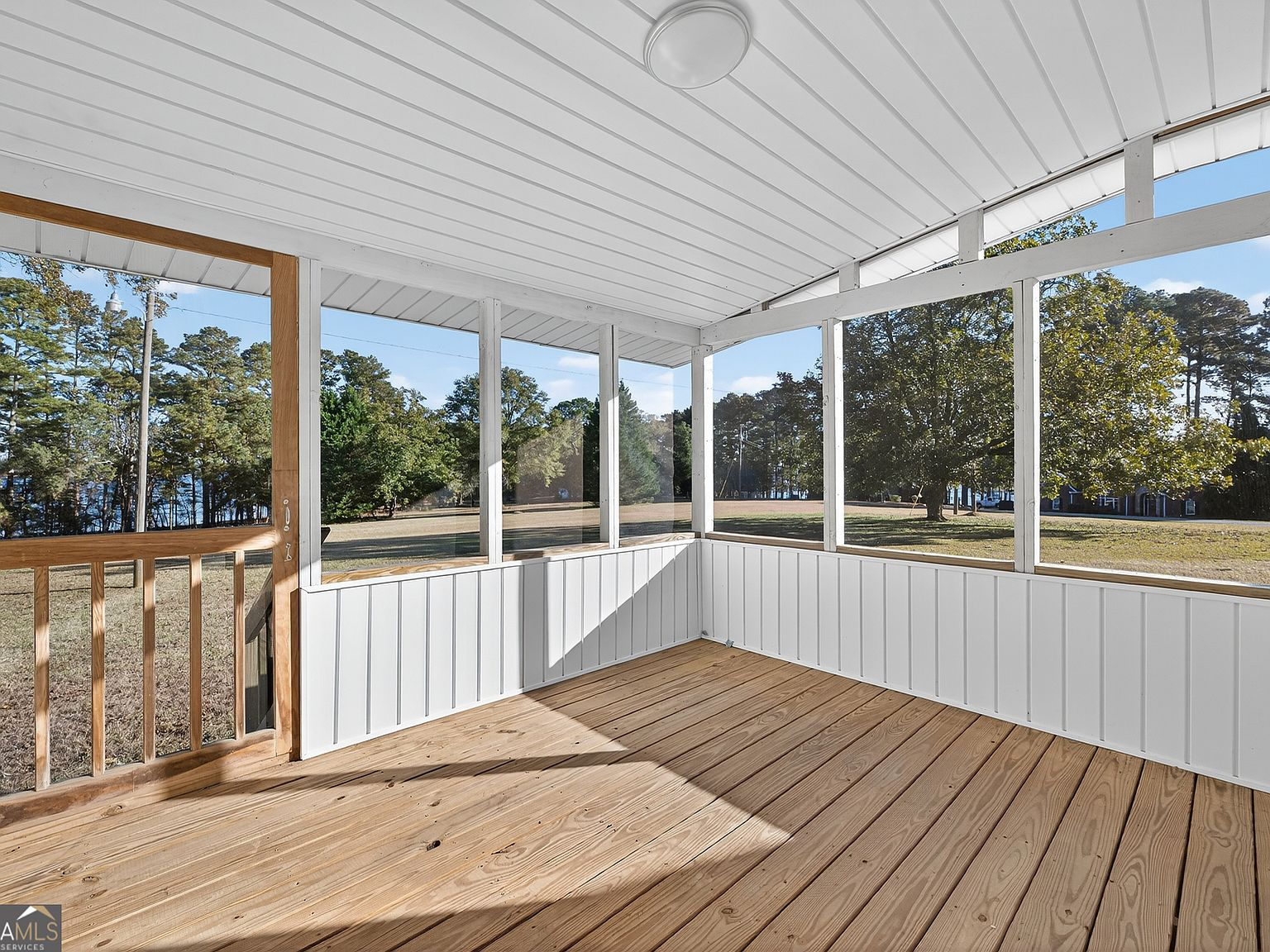
The screened back porch, which in summer serves as an outdoor dining room, becomes a sheltered viewing platform in winter. The screens keep the wind off while allowing an unobstructed view of the lake. On a cold morning, you can stand there with a coat on and watch the mist lift off the water in real time — a daily spectacle that summer residents never see because they're not here.
Winter fishing and outdoor life
The fishing on Lake Hartwell doesn't stop in winter — it changes. Largemouth bass move to deeper structure, holding along creek channels and bluff walls where the water temperature is more stable. The stripers, which in summer chase baitfish on the surface, go deep and feed aggressively in the cold water. Crappie congregate around submerged brush piles in 15 to 25 feet of water. The winter fisherman who knows the lake — and knows how to read the water temperature, the thermocline, and the baitfish patterns — can catch fish that summer anglers never see.
The Hartwell Lakeside Park (formerly Hart State Park), 15 minutes from the property, offers year-round camping with 62 campsites, hiking trails, and lake access. The park's quiet-season programming includes guided nature walks and bird-watching outings — the lake attracts migratory waterfowl in winter, including canvasback ducks, common loons, and bald eagles that winter along the shoreline.
The Corps of Engineers recreation areas around the lake — including Hartwell Dam Quarry, New Prospect Park, and Jenkins Ferry Park — offer archery-only hunting for deer and turkey during the winter months, with small-game hunting available after the primary seasons close. For a property owner with 4.5 acres of flat, wooded land adjacent to the lake, the hunting isn't just a park amenity — it extends to the immediate landscape.
Why the quiet season matters to property value
A lakefront property that only works in summer is a vacation property. A lakefront property that works in January is a home. The distinction matters — not just for quality of life, but for investment logic. Vacation properties are seasonal assets, subject to the whims of tourism demand and maintenance gaps. Year-round properties hold value because they hold people. The families who live on Lake Hartwell through the winter are the community that sustains the town, the restaurants, the schools, and the infrastructure that summer visitors enjoy.
257 Methodist Park Lane is a year-round property. The 1873 farmhouse was built for four-season living. The fireplace works. The walls are thick. The covered porch and screened porch provide outdoor living space in every season. The 4.546 acres of flat, private land offer a buffer from neighbors and the kind of solitude that winter amplifies rather than diminishes.
For a buyer considering the property as a primary residence — not a weekend retreat — winter is the season that validates the decision. You'll learn whether the fireplace draws properly. You'll discover which rooms hold heat best. You'll watch the lake transform from a recreation venue into a landscape. And you'll understand, in a way that summer can't teach, why families have stayed on this land for over 150 years.
The lake in March: the season within the season
If winter is the lake at rest, March is the lake stirring. The dogwoods begin blooming along the shoreline. The water temperature climbs into the low 60s. The bass move shallow to spawn, and the fishing calendar flips from survival mode to active mode. The first pontoon boats of the season appear on weekends. The Lake Hartwell Boating Club starts scheduling its spring raft-ups and social events. The rhythm of the lake — from rest to preparation to full summer — is one of the great pleasures of living on the water year-round.
But it's the winter that makes the spring meaningful. Without the quiet months, you can't appreciate the noise when it returns. Without the empty coves, you can't appreciate the boats. Without the mist and the silence and the bare trees, you can't fully understand what the pecan canopy and the green shoreline mean when they arrive. Winter on Lake Hartwell isn't an off-season. It's a foundation.