
Heritage
The ten-year view: what the Corps' timeline asks of a family that has waited since 1873
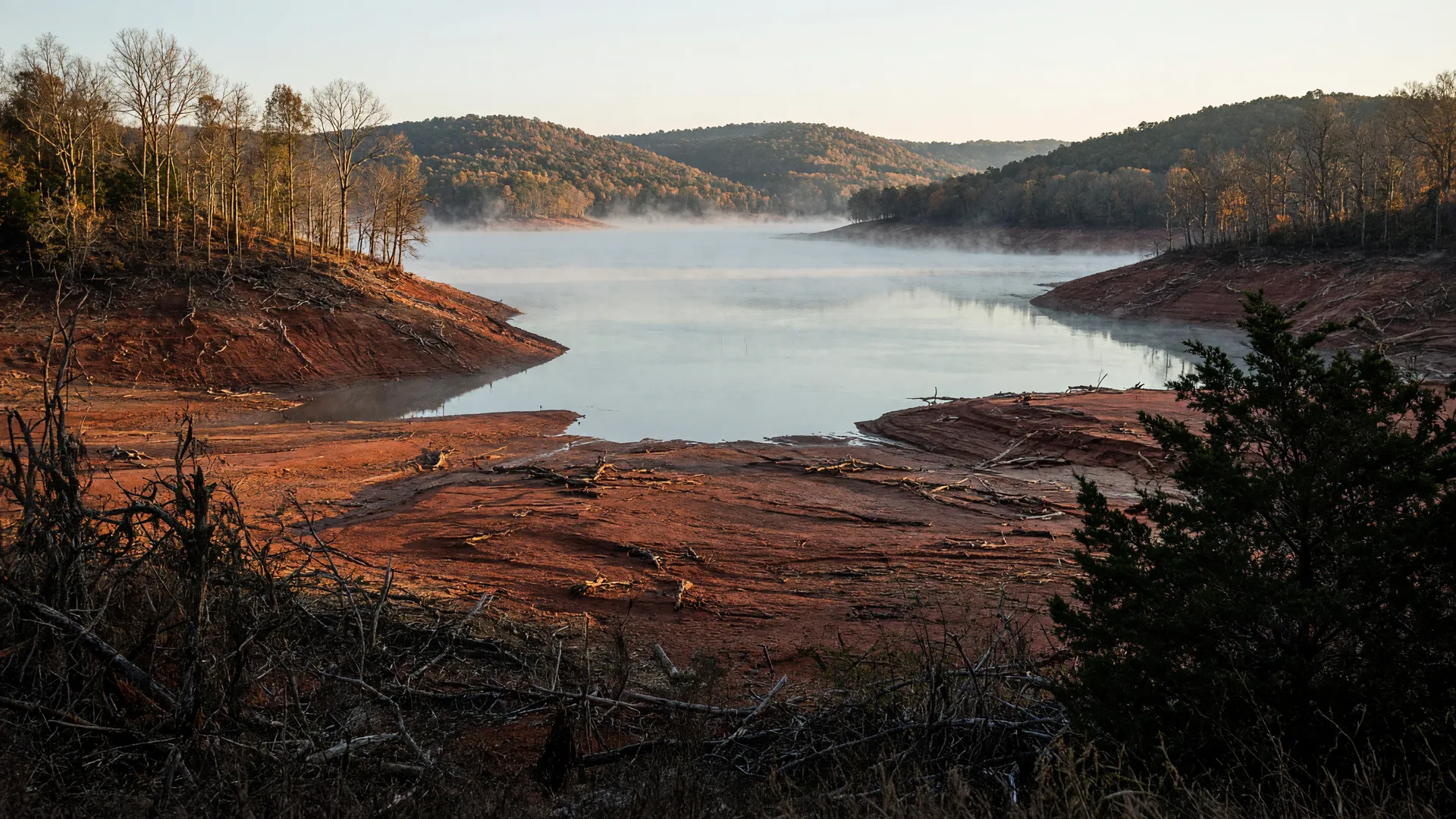
In late August of 2026 the U.S. Army Corps of Engineers lowered Lake Hartwell's normal operating guide curve from 660 to 656 feet because of seepage in the aging earthen saddle dike at the Clemson Lower Diversion Dam. In October, at the second of what will become many public meetings, the Corps said the permanent fix could take as long as ten years. That is a long sentence to sit with. But it is not the longest wait any family here has ever been asked to keep.
The news that rolled in over the fall
The shape of this fall's news is worth laying out plainly. On August 26 the Corps announced year-round lake-level restrictions at Hartwell: the normal operating guide curve is now 656 feet rather than 660, capped at 662 feet during heavy rain, because of seepage and erosion at the Clemson Lower Diversion Dam Saddle Dike. A second virtual public meeting on October 8 drew a wide lake community, and an October 16 update made the timeline concrete: it could take up to ten years to return the lake to its normal levels. The Lake Hartwell Association's annual meeting in October filled the Anderson Civic Center with more than three hundred people who came to hear the engineering straight from the Corps.
Meanwhile the lake itself made the point unusually visible. A dry summer left the reservoir reading more than ten feet below its full pool through the fall, exposing stretches of shoreline that almost nobody alive remembers seeing. Drifted timber, red-clay banks, and rolled riverbed country all came back into view for a season, and the crowds that usually fill the biggest coves found deeper water and longer shadows instead.
For most of the lake community, ten years is an unwelcome horizon. It will reshape marinas, ramp schedules, summer swim instruction, and the careful arithmetic of a lake-house budget. That is real, and nobody here is waving it away. But here is the thing the news settles differently for the people who hold the high ground at 257 Methodist Park Lane. Ten years is not a generation. It is not even a long chapter. For the land under this house, ten years is a season.
What a family learns from waiting
The families who have held this place have been waiting for a very long time. They waited through the authorizing of the dam in 1950, through five years of knowing the water was coming, through the slow acquisition and the rising water that began filling the valley in the early 1960s. They waited through the seasons of their neighbors leaving and the roads being rerouted and the church that served the community moving or going under. Through all of it, they stayed on the one piece of ground that was guaranteed to stay.
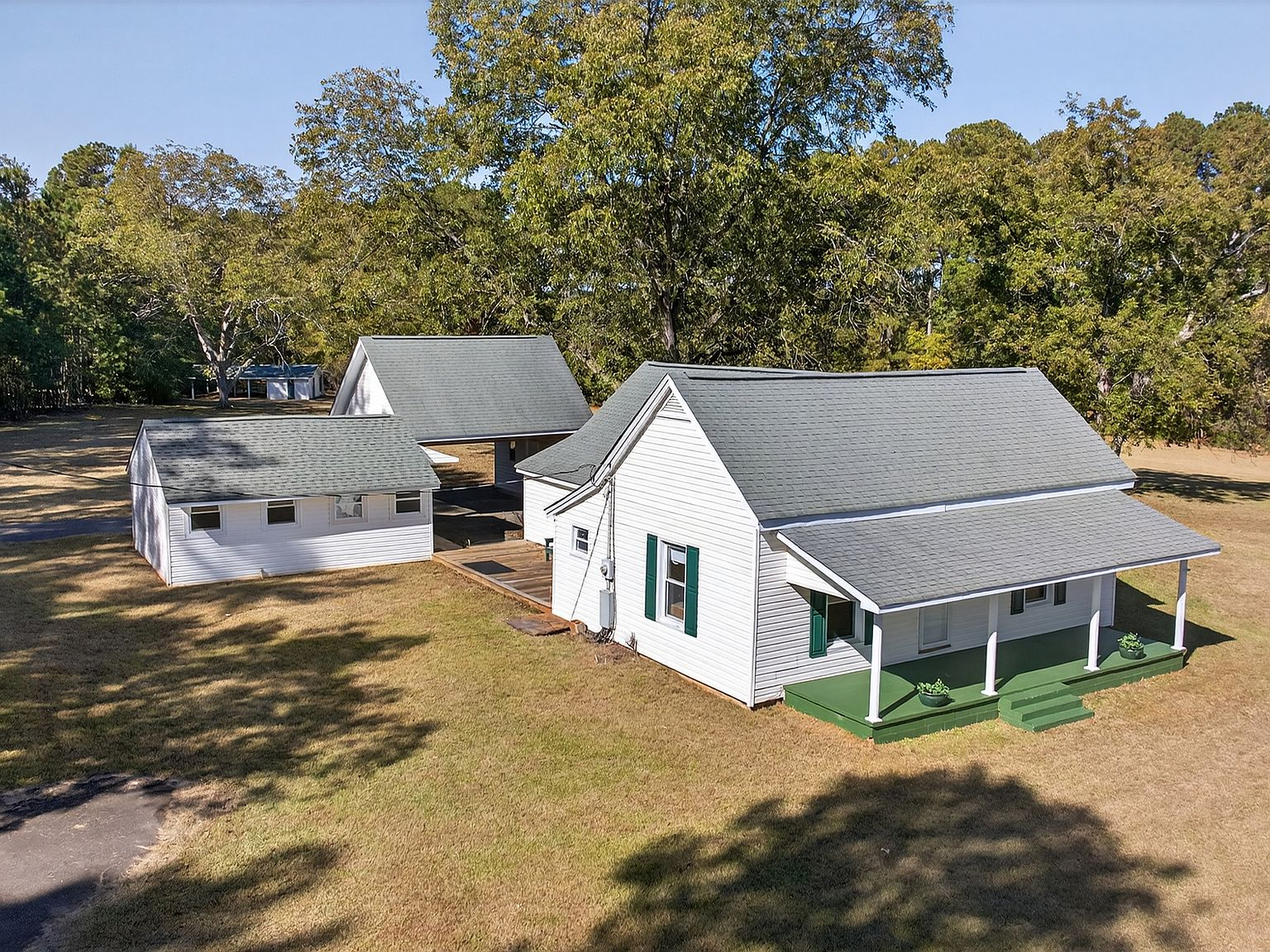
That is the quiet inheritance at 257 Methodist Park Lane. The 1873 builders did not choose this rise because it was fashionable. They chose it because it was flat for farming, close enough to the river valley for its bounty, and high enough that no flood, government or natural, would ever take it. They were right in 1873, and they were right again in 1963 when the water rose around it, and they are right today while the reservoir sits low and the engineering reports run their long course. The lake may rise or fall on somebody else's schedule. The high ground waits on its own.
The different arithmetic of the shoreline
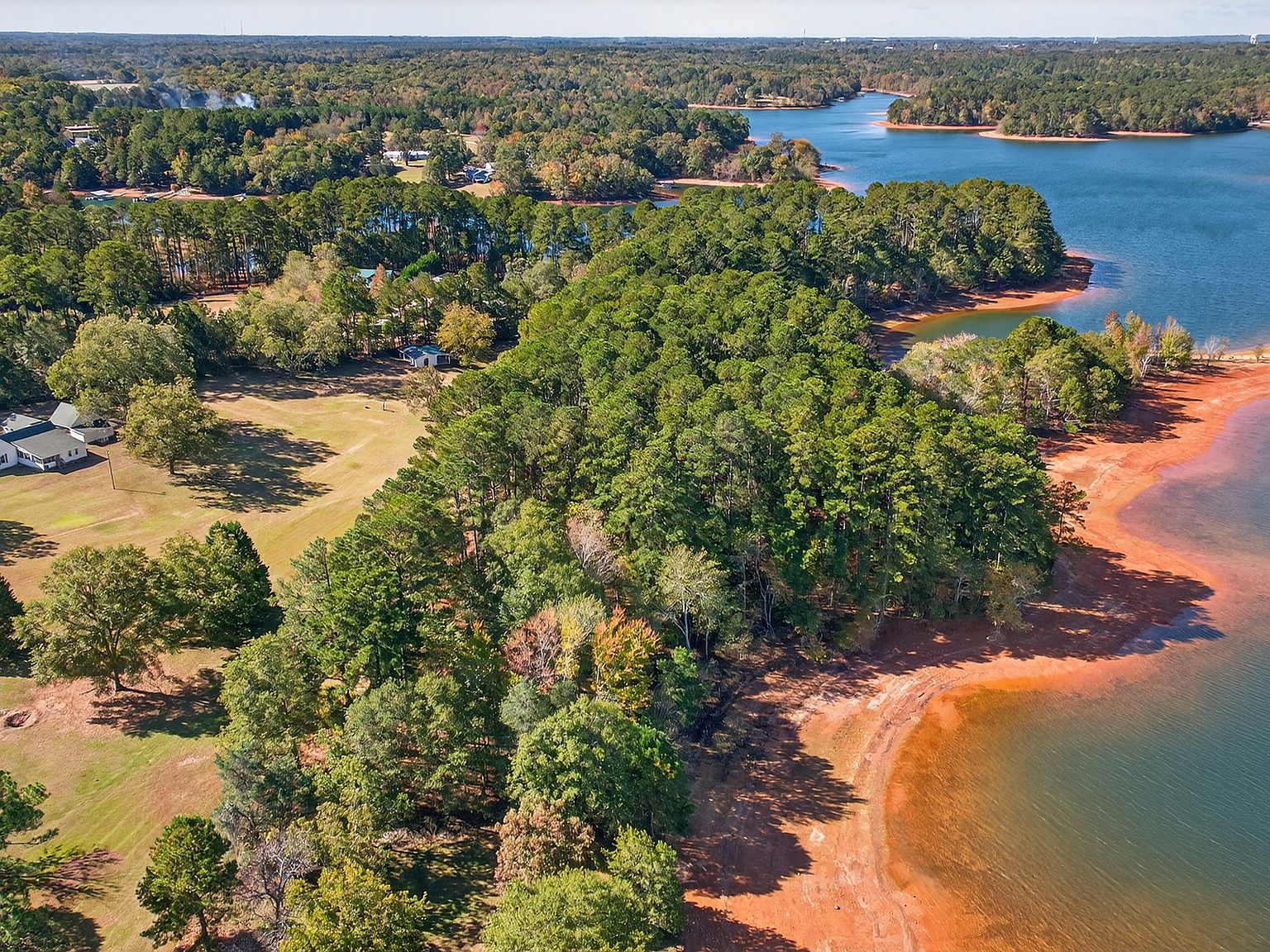
This is where the property's long view changes the way it reads in the news. A parcel bought this year for lake access will spend a decade wondering what the waterline will finally do. A parcel that has sat on the Georgia Corps of Engineers shoreline for four and a half acres of flat, private land since before the reservoir existed has already seen the waterline at its highest and its lowest. It does not need the lake at one particular level to be itself. It needs the ground, the pecan shade, the porch, and the patience to let the landscape settle.
That is not a small set of things to ask of the families of 257 Methodist Park Lane through a decade of low water. The cove off the property will read differently in a low-lake summer. The swim-in is shorter. The boat ramp a little farther down the shoreline. Those are real adjustments, and the stewards of this land have been through worse and stayed. The year the water was brand new, no one knew what it would do next, and the family stayed. The decade of an aging saddle dike is, by comparison, a known thing with a published timeline. Ten years, in the rhythm of a place kept since the 1800s, is a chapter the land has the structure to absorb.
A decade is a reason to buy, not a reason to wait
There is a common instinct that reads a ten-year timeline as a reason to hold off on the water. We would gently offer the opposite reading, shaped by 153 years of standing on this particular rise. If the water is going to take a decade to find its normal pool, then the wise purchase is not the bargain shoreline that will be underwater at high pool or exposed at low pool. It is the high, flat, historically proven ground that holds its value and its view in every condition the lake can offer. It is the parcel you can enjoy this fall, this winter, and every season of the ten years, because it does not collapse into the lake when the water drops.
The market notices this eventually. Land that works at low pool, full pool, and the unreleased in-between is the rare asset on any reservoir, and on a shrinking lakefront supply it becomes rarer. The families who held this land through the dam's creation understood the principle with their bones. When the uncertain years arrived, you did not go to the waterline. You went to the high ground, and you waited there comfortably, because you had chosen it to wait in.
Ten years is a long time for a lake to be out of its usual shape. It is a short time for a place that has already kept a river, seen it replaced by a reservoir, watched that reservoir climb and fall, and stood the whole way on the same flat, shady, private ground. When the Corps finishes its work and the guide curve climbs back, the high ground will still be here. It will be here the way it was before the lake, and the way it is today, ready for the next generation to inherit not a gamble but a patient, proven piece of Georgia shoreline.