
Generations
This land through their eyes: three generations on the same ground, 1873 to 2026
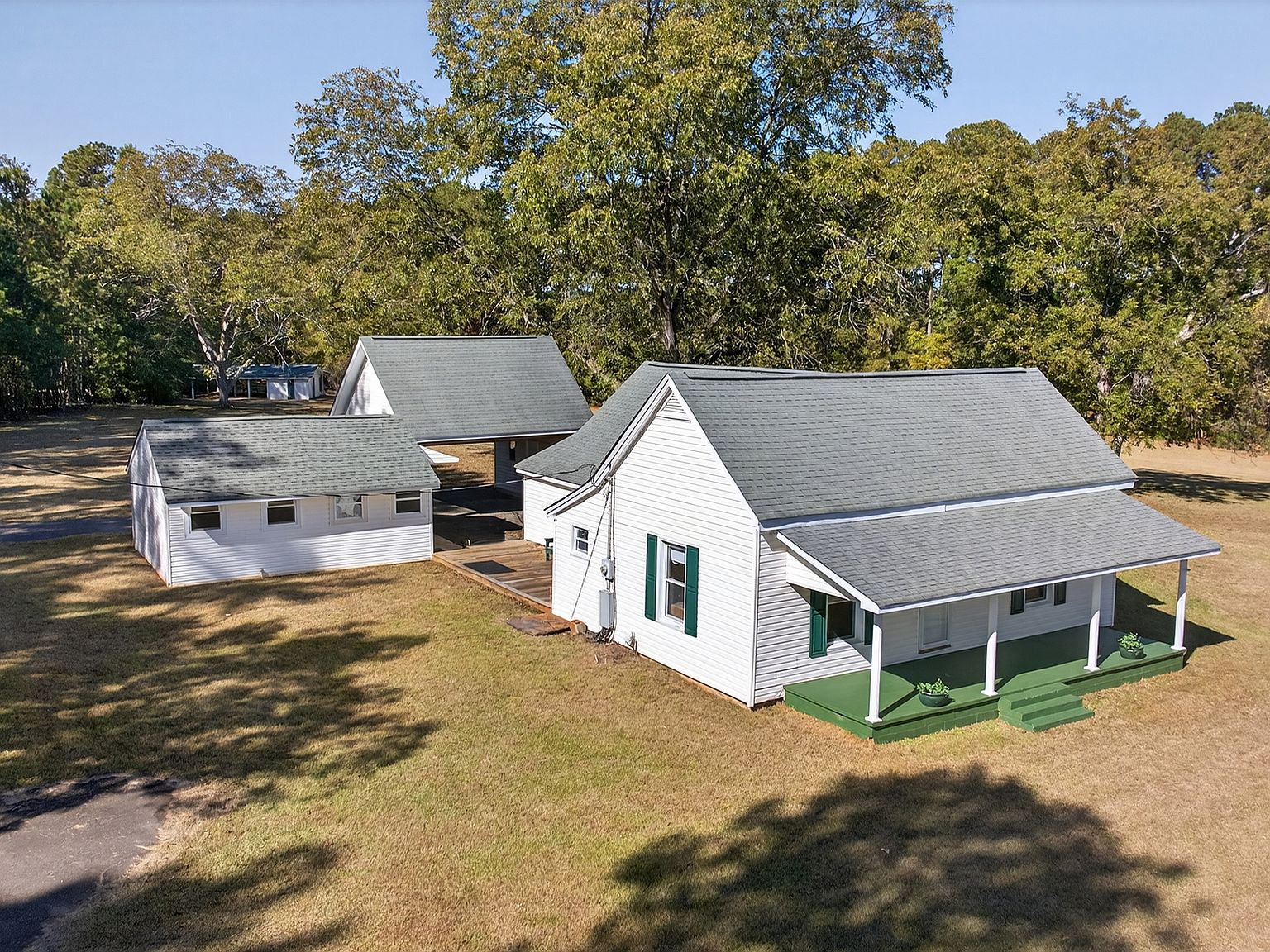
Most properties on Lake Hartwell tell one story: the story of the people who bought a lake house and enjoyed the water. But 257 Methodist Park Lane tells three stories. The generations who lived here experienced completely different worlds on the same exact ground. And their stories, taken together, reveal what it really means for a property to endure.
1873: The generation that built
The home was completed in 1873, during Reconstruction. The Civil War had ended eight years earlier. Georgia was rebuilding, and families across the state were making hard decisions about where to put down roots and how to rebuild what had been lost.
The family who chose this spot — a flat, fertile piece of ground on a bend in the river valley — was making a generational bet. They were not building a vacation home. They were building a working homestead: a place to grow food, raise children, and build something that would outlast them. The land was chosen for practical reasons: it was flat enough to farm, close enough to the river for water, and high enough to avoid flooding. The pecan trees they planted were not decorative. They were an investment in the future — a source of food and income that would take decades to mature.
Imagine a morning in the summer of 1873. The farmhouse is newly framed, the lumber local and hand-cut. The family rises before dawn. The father heads to the fields to work the corn and cotton. The mother tends the vegetable garden and the livestock. The children carry water from the well, gather eggs from the henhouse, and learn the skills they will need to run a homestead of their own someday. The river — the Savannah, running free and unimpeded — is the backdrop to every chore. It provides fish, irrigation, and a route to market. It also floods, sometimes catastrophically, reminding everyone who lives near it that the land is not entirely theirs to control.
1920s: The generation that held
By the 1920s, the farmhouse had been standing for nearly fifty years. The pecan trees planted by the first generation were now mature, producing the heavy harvests that only a half-century of root growth can deliver. The home had been expanded. Children had been born, raised, and scattered. Some stayed on the land. Others moved to towns and cities, but the property remained in the family.
This was the generation that held the land through change. The world was modernizing rapidly. Automobiles replaced wagons. Radios brought news from outside the valley. Cotton gave way to a more diversified agricultural economy. The river, still wild, still flooding, was becoming less central to daily life as roads improved and trucks replaced pole boats.
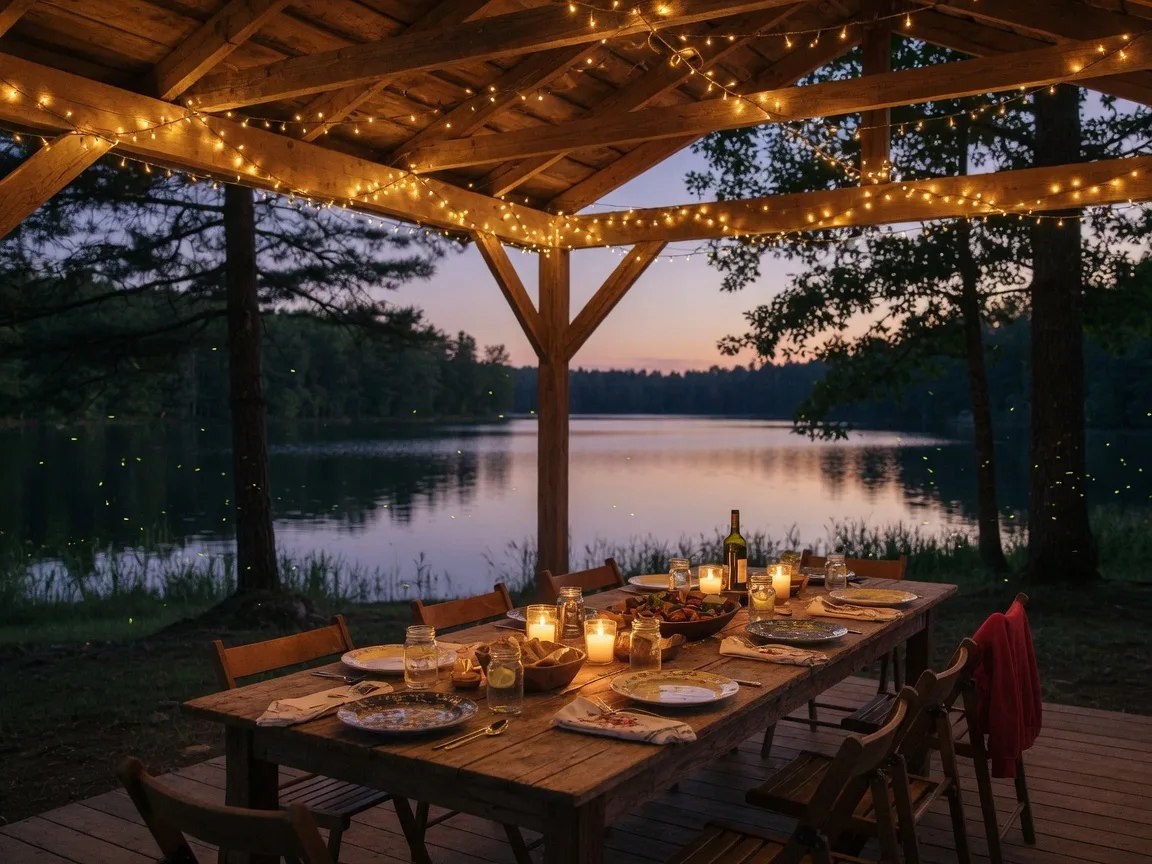
But the land remained the constant. The family still gathered under the pecan trees. The porch still caught the evening breeze. The river valley still provided a quiet, self-sufficient life. The generation that held the land in the 1920s made a decision that would matter enormously to their descendants: they kept the property intact. They did not sell off parcels. They did not subdivide. They maintained the integrity of the 4.5-acre flat, the tree line, the connection to the water. That decision, made in a time when the land was worth a fraction of what it is today, is what makes 257 Methodist Park Lane a rare property in 2026.
1961: The generation that watched the water rise
The third generation to live on this land experienced the most dramatic transformation. In 1955, the U.S. Army Corps of Engineers began construction of the Hartwell Dam on the Savannah River. The Flood Control Act of 1950 had authorized the project, and by the late 1950s, the valley was being cleared for the reservoir that would become Lake Hartwell.
The family at 257 Methodist Park Lane watched as their neighbors packed up and left. The Corps acquired thousands of acres, displacing families who had farmed the valley for generations. Homes were razed. Cemeteries were relocated. Roads that had connected the community for a century were submerged. It was, for many, a devastating upheaval — the end of a way of life that had defined Hart County since its founding.
But 257 Methodist Park Lane survived. The property sat on high enough ground — above the full-pool line — that the Corps did not need to acquire it. The family who had held the land for nearly a century made the choice to stay. They watched the water rise, year by year, from 1955 to 1963, as the river valley transformed into a lake. The view from the porch changed forever. Where there had been fields and river bottom, there was now open water stretching to the tree line.
That generation had to adapt. The farm could no longer operate the way it had. But the land was still their land. The pecan trees were still their trees. The home was still their home. And now, instead of a river, they had a lake.
2026: The generation that shares the lake
Today, 257 Methodist Park Lane sits on one of the last remaining large-acreage parcels on Lake Hartwell's Georgia Corps of Engineers shoreline. The lake that the third generation watched fill is now the centerpiece of a vibrant, year-round community. The bass fishing is world-class. The boating culture is woven into the fabric of daily life. The festivals, concerts, and fireworks that draw people to the water every summer are a direct descendant of the gatherings that started under the pecan trees in the 1870s.
In the summer of 2026 alone, the calendar on Lake Hartwell includes the Hartwell Lakeside Music Festival on a floating stage, the Cars and Guitars Festival in downtown Hartwell, the Pre-4th Fireworks Extravaganza at Long Point, the "Light the Lake" fireworks at Clemson, and the annual Tugaloo Triathlon. The Barn Burner Country Music Festival in nearby Anderson and the Dancing Goats Folk Festival bring music lovers from across the Southeast. The community that the Corps of Engineers' project could have destroyed has instead become one of the most dynamic lake communities in the South.
And through it all, the property at 257 Methodist Park Lane endures. The pavilion now hosts the gatherings. The dock provides access to the water for boats that tie up for afternoon swims and sunset cruises. The 2-bedroom, 2.5-bath historic home provides the anchor — a place that still feels like a home, not a lake house. The pecan trees, now more than a century and a half old, still drop their harvest every November.
"The lake that the third generation watched fill is now the centerpiece of a vibrant, year-round community."
What the next generation will see
The property at 257 Methodist Park Lane is ready for its fourth chapter. The bones are sound. The land is irreplaceable. The history is authentic. The question facing the next owner is not whether the property is valuable — the scarcity of large-acreage waterfront parcels on Lake Hartwell answers that. The question is what story they want to tell.
Will they be the generation that restores the historic home to its full character? The generation that builds a new legacy on the foundation of the old one? The generation that hosts the gatherings, lights the fireworks, and keeps the pecan trees healthy for another 150 years?
In our experience at The Petrenko Group — and we have navigated relocation and transition personally, having moved 16 times with our own family — we know that a property like this asks something of its owner. It asks for care. It asks for vision. And it offers, in return, the chance to be part of something that began before you and will continue after you. That is rare. That is the story of 257 Methodist Park Lane.