
Generations
Two rivers, one land: what 153 years of transformation taught the generations at Methodist Park Lane
We have completed sixteen relocations. Sixteen times we packed our lives into boxes, said goodbye to one community, and started over in another. Sixteen times we learned a new landscape, a new grocery store, a new way of getting home without a GPS. And sixteen times we discovered that the hardest part of moving is not the logistics — it is leaving behind a place that had started to feel like home.
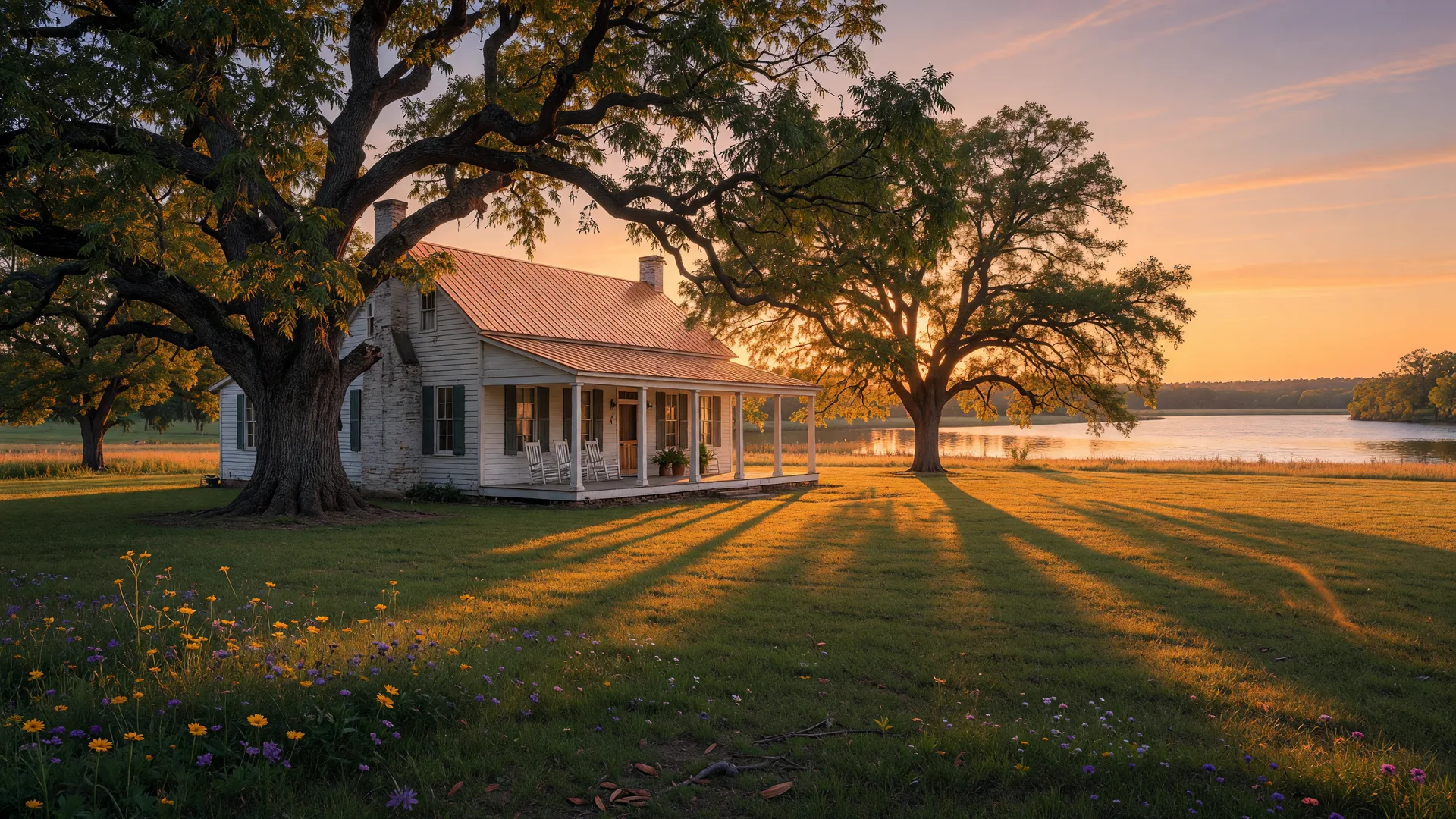
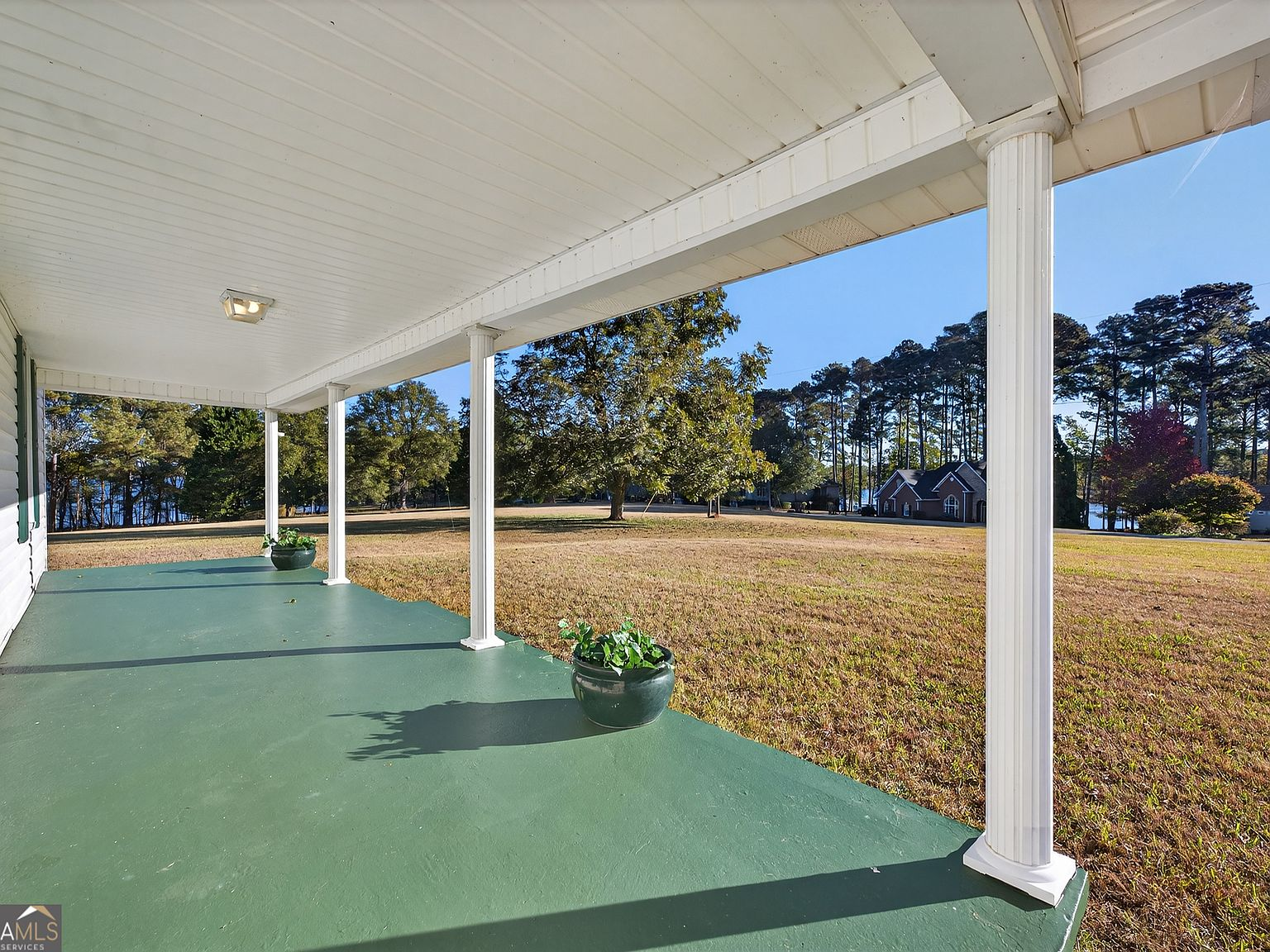
When we first walked the land at 257 Methodist Park Lane, something about it resonated on a level we did not immediately recognize. It was not just the beauty of the setting — the flat lawn sweeping toward the lake, the pecan trees that have shaded this ground since Ulysses S. Grant was president, the covered porch that faces the water like it has been waiting for someone to sit down and stay awhile. It was the sense that this land had done what we had done, only across a much longer arc of time. It had lived two completely different lives.
The first life: a farm on the Savannah River
For eighty years after the home was built in 1873, the land at Methodist Park Lane was a working farm in the Savannah River valley. The river was not a recreational amenity. It was the community's highway, its fishery, its irrigation source, and — when spring rains swelled its banks — its most fearsome natural force. The family who lived here planted cotton and corn in the red clay soil, raised hogs and cattle on the flat pasture, and harvested pecans from the trees that the first generation had planted with the patient understanding that they would not live to see them fully mature.
That first life was defined by self-sufficiency. The family grew what they ate, preserved what they could, and traded for what they could not produce. The porch was not a place to watch boats go by — there were no boats. It was where the family shelled peas in the summer, shelled pecans in the fall, and sat in the evenings to catch the cross-breeze that made Georgia summers bearable. The flat lawn was not a scenic buffer. It was cropland. The pecan trees were not landscaping. They were a food supply and a cash crop.
This was the life that the generations before 1955 knew. It was hard. It was seasonal. It demanded more from the family than most of us could give today. But it was also rich in the ways that matter most: the family knew every inch of this land. They knew where the spring rose after a dry spell. They knew which pecan tree produced the sweetest nuts. They knew how to read the river's height to predict the weather. That knowledge was not written down. It was passed from hand to hand, generation to generation, the way all deep knowledge of a place is transmitted.
The second life: a Lake Hartwell estate
When the U.S. Army Corps of Engineers began construction on the Hartwell Dam in 1955, the family living on this land faced a choice that thousands of families across the valley were forced to confront. The federal government was acquiring 76,450 acres of land for the reservoir. Homes, barns, churches, schools, and entire communities would be submerged. Nearly 2,000 families were displaced — some willingly, some under the weight of eminent domain.
The family at Methodist Park Lane kept the land. The property sat high enough — that same natural terrace that had protected it from river floods for eighty years — to sit above the full-pool line of the new reservoir. The Corps did not need to acquire it. And so the family stayed, watching as the water rose year by year, covering the river valley they had known, transforming their farm into a lakefront estate.
That transformation was not instant. The lake took eight years to fill, from 1955 to 1963. Imagine what those years must have felt like: watching the river you had known your entire life become something else, watching neighbors' homes disappear beneath the surface, watching the landscape you had navigated by landmarks become a vast, open body of water. The world turned upside down, slowly, inexorably. But the land held. And the family held with it.
What continuity through change looks like
As real estate advisors who have built our careers helping families navigate major transitions, we find something profoundly instructive in the story of this property. The land did not resist change. It did not try to remain what it had been. It adapted. The river became the lake. The farm became an estate. The cotton fields became a lawn. But the essentials — the elevation, the orientation, the pecan trees, the porch, the deep well of accumulated knowledge about what this ground can sustain — remained unchanged.
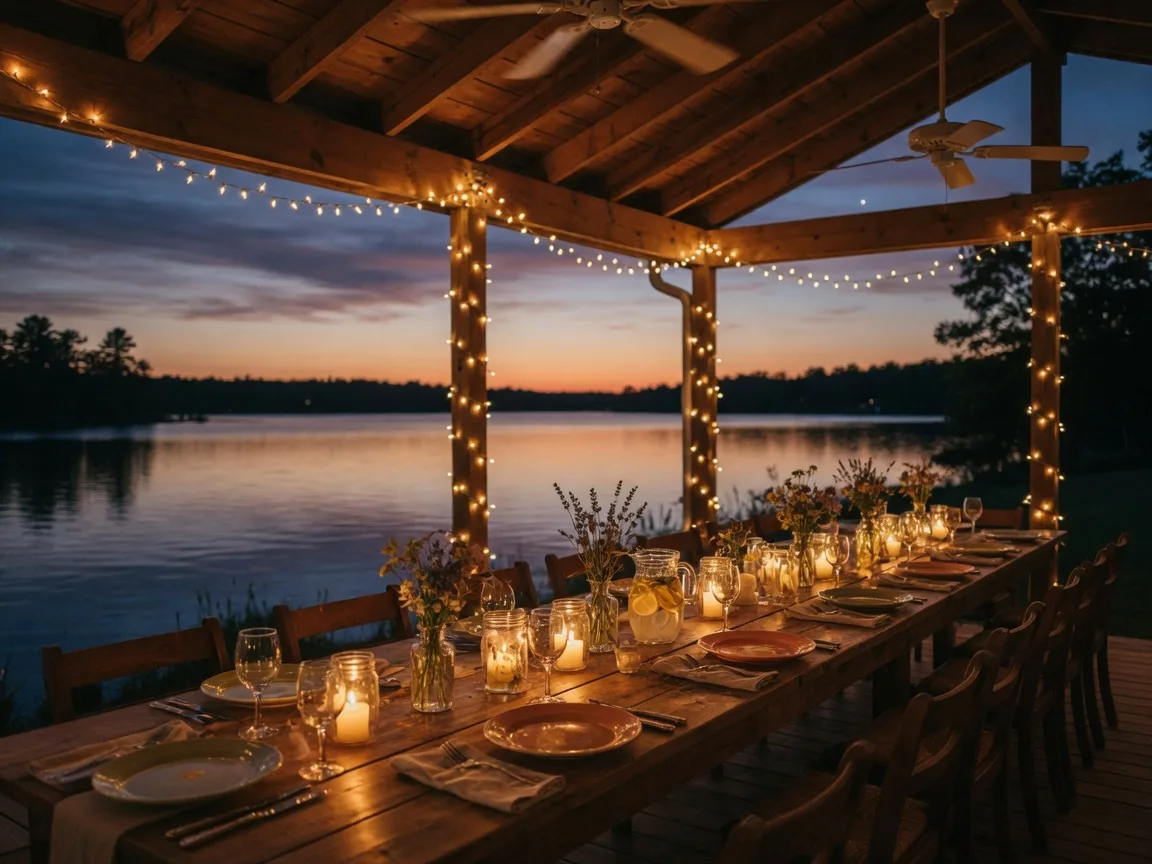
The same is true of the families who hold legacy properties across generations. They do not preserve the land by freezing it in time. They preserve it by allowing it to serve the needs of each new generation while protecting the core characteristics that make it valuable. The first generation needed cropland and a smokehouse. The generation that saw the lake arrive needed a dock and a boathouse. The current generation needs a pavilion for gatherings and a home that balances historic character with modern comfort. Each generation adapted the property to its era without losing the property's soul.
That is harder than it sounds. It requires a kind of long-term thinking that runs against the grain of how most of us make decisions. We are trained to optimize for the present. But the families who hold land for generations learn to optimize for the future — for the children who will walk the same ground, for the trees that will outlive the people who plant them, for the porch that will catch the evening breeze long after the current owners are gone.
What our sixteen relocations taught us about a property that never moved
There is a reason this story resonates with us. When you have uprooted your family sixteen times — through military assignments, across continents, through three moves during your children's high school years — you develop a deep appreciation for permanence. We know what it costs to leave a place you love. We know the weight of saying goodbye to a community that has become family. And we know how rare it is to find a property that has been the permanent address for the same family for generations.
Our children went on to attend Princeton, Harvard Business School, Purdue, and the UNC School of Medicine. Their success despite — or perhaps because of — all those moves is a testament to their resilience. But we have often wondered what it would have been like to give them the stability of a single address, a single landscape, a single set of pecan trees that marked the passage of time not by packing boxes but by the slow rhythm of seasons.
257 Methodist Park Lane offers that kind of permanence to the right family. Not because the land is unchanging — it has changed more dramatically than most properties in America. But because the relationship the land asks for is not one of ownership in the transactional sense. It is one of stewardship. The land will outlast you. What you contribute to it — the care you give the pecan trees, the maintenance you invest in the historic home, the gatherings you host in the pavilion — will determine whether the next generation can continue the story.
The two rivers
When we stand on the porch at 257 Methodist Park Lane, we see two rivers. There is the Savannah River, the original waterway that defined this land for millennia before the dam. It still flows beneath the lake, following its ancient course along the submerged valley floor, hidden but not erased. And there is the lake itself — the 56,000-acre reservoir that turned this farm into a waterfront estate, with its own rhythm, its own ecology, its own community of boaters and anglers and weekenders.
The land remembers both. The pecan trees remember the river valley air. The foundation remembers the river valley floods. The porch remembers the river valley evenings. And the lake — the water that covers the old fields and the old roads and the old homes — remembers what it replaced, even as it creates something new.
That is what it means to live on land that has experienced two lives. You are not just buying a view of the water. You are stepping into a story that began long before the dam was a blueprint, that survived the most dramatic transformation a landscape can undergo, and that continues today because someone, in every generation, chose to hold on.