
Generations
When the homestead met the lake: how 257 Methodist Park Lane became a lakefront estate
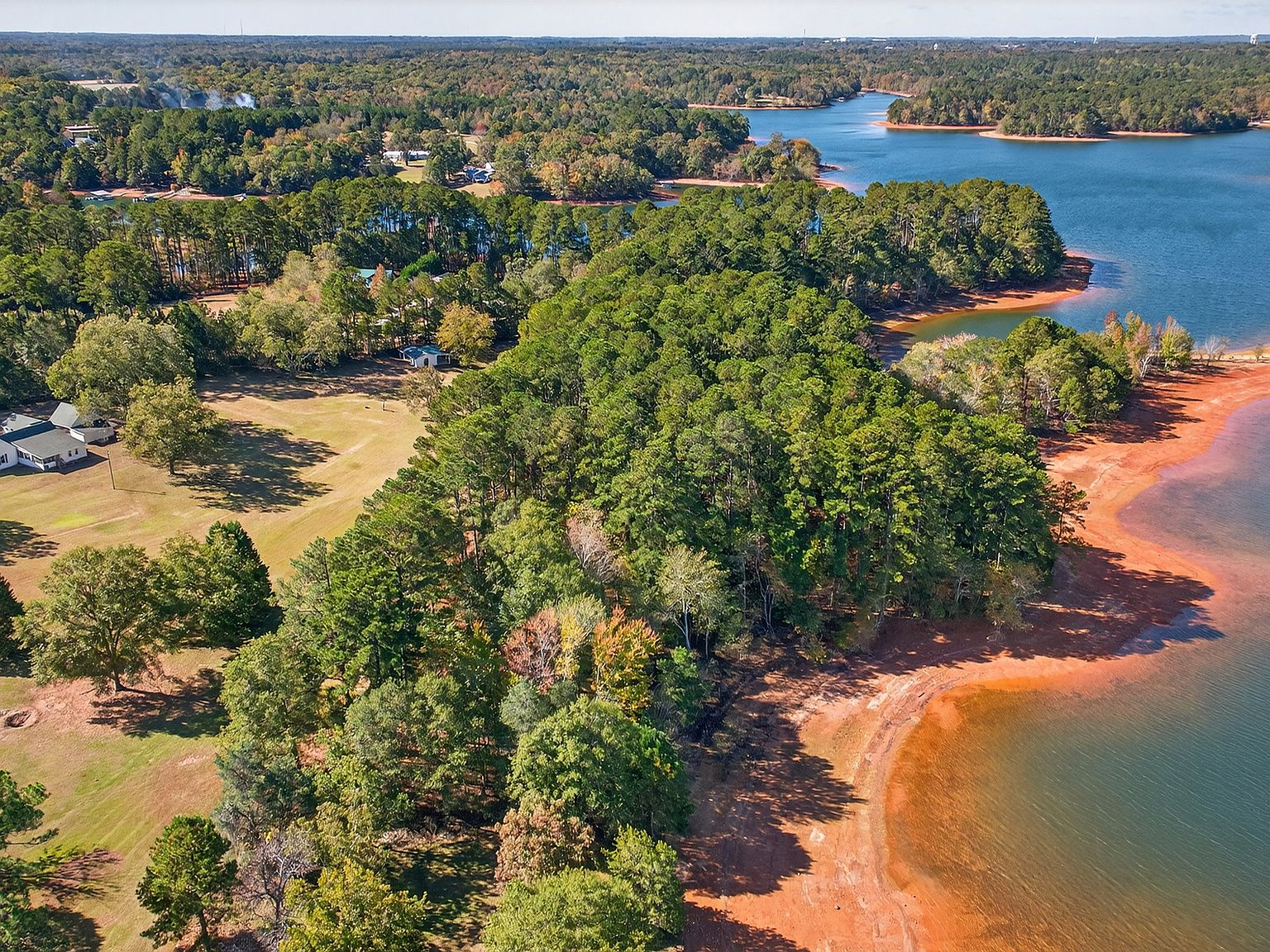
For the first eighty years of its existence, 257 Methodist Park Lane was a farm. The family who built it in 1873 planted crops in the red clay, raised hogs and chickens behind the house, drew water from a well, and measured their wealth in the quality of their soil and the health of their livestock. Then, between 1955 and 1963, the U.S. Army Corps of Engineers built a dam on the Savannah River, and everything changed. The river became a lake. The valley became a reservoir. And the family who had lived on this land for four generations faced a choice: adapt to a new relationship with the water, or leave.
The choice to stay
When the Corps began acquiring land for the Hartwell Dam project in the early 1950s, the families living in the Savannah River valley were offered compensation for their properties. The offers varied widely. Some families accepted, packed their belongings, and relocated to higher ground. Others held out, negotiated, and eventually settled on terms they could live with. A small number — those whose land sat above the 660-foot full-pool line — were not required to sell at all.
257 Methodist Park Lane was one of those properties. The elevation that had kept the farmhouse dry during spring floods now kept the property above the waterline of a 56,000-acre reservoir. The family could stay. But staying meant watching their world transform around them.
The transformation was not sudden. The dam took five years to build and the reservoir took another three years to fill. Each year, the water crept higher. Trees that had stood on dry ground for decades found their roots submerged and died standing, their skeletons becoming habitat for the fish that moved into the new lake. Roads that had connected the farm to Hartwell were rerouted or abandoned. Neighbors who had lived within walking distance sold their land and moved away, their farmhouses demolished or dragged on skids to new lots. The community that had defined daily life — the church, the schoolhouse, the general store — scattered.
The family at Methodist Park Lane watched all of this and made a deliberate choice. They would stay. They would adapt. They would figure out what the lake meant for the land they had held since the 1800s.
The first generation of lakefront living
The family that chose to stay through the lake's creation was not thinking about lakefront real estate values. They were thinking about the land itself. The flat acres that had grown cotton and corn now looked out across open water. The river that had been a half-mile through the trees was suddenly at the edge of the property. The view changed from a wooded valley to an expanse of lake that caught the sunrise and reflected the clouds. The family had not sought this transformation, but they were wise enough to recognize that it brought something valuable.
Fishing, which had always been a part of life on the river, became a central activity. A 56,000-acre reservoir produces a fishery far richer than any river. Catfish, crappie, bream, and the bass that would later make Lake Hartwell famous thrived in the new lake. The family built a dock. They bought a boat. The rhythms of the farm gave way to the rhythms of the lake — dawn fishing runs, afternoon swims, evening cruises that took in the shoreline that had once been their neighbors' fields.
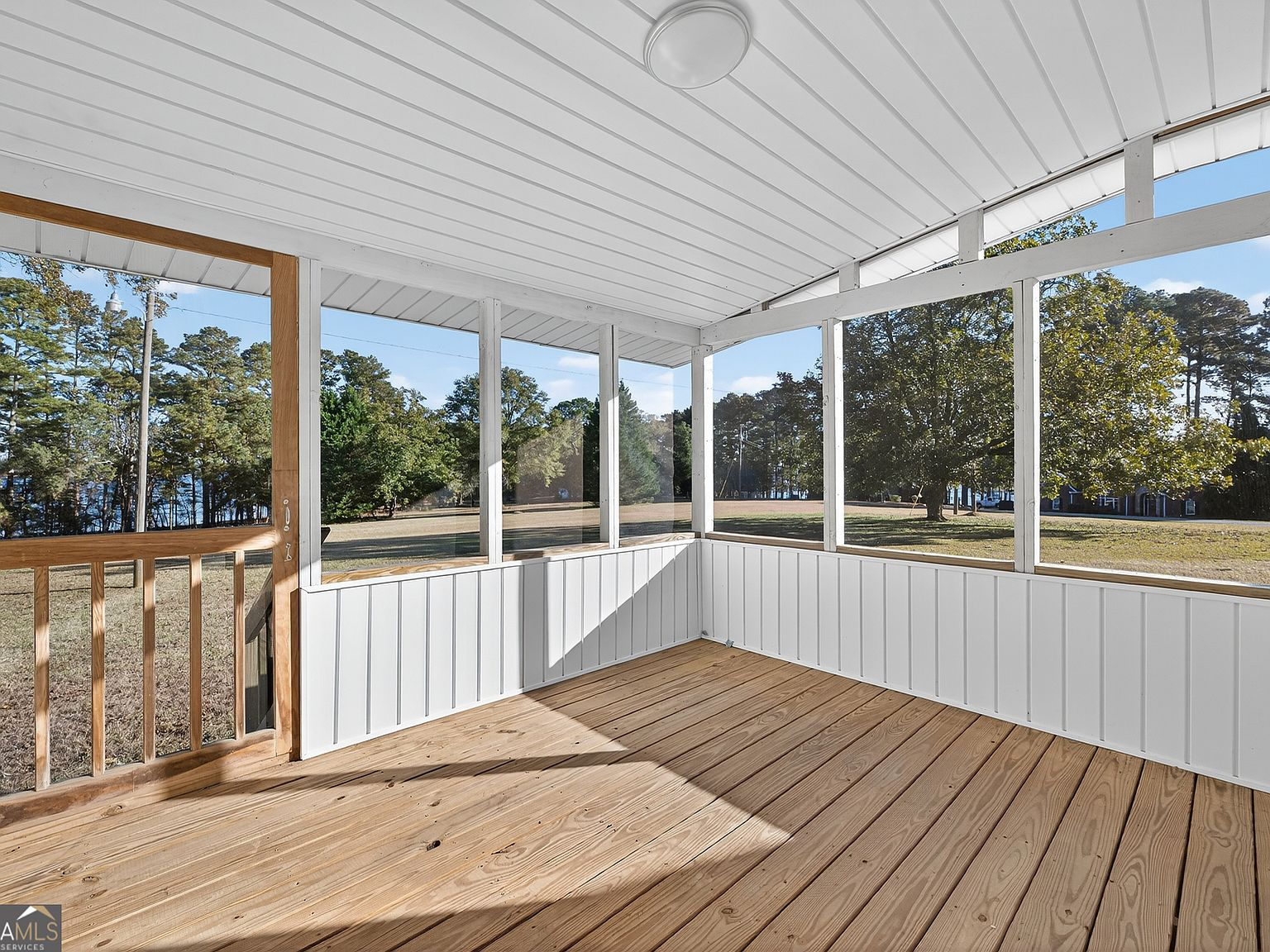
The outbuildings that had housed livestock and equipment were repurposed or replaced. The smokehouse became a storage shed. The chicken coop disappeared. The barn, no longer needed for hay storage and mule stalls, was torn down. In their place came additions that served the lake lifestyle: a concrete-floored pavilion for outdoor gatherings, a screened porch that offered mosquito-free evenings by the water, and expanded decks that turned the back of the property into a living room without walls.
What stayed the same
For all the changes the lake brought, the bones of the property remained remarkably constant. The house itself — the 1873 farmhouse with its white siding, covered porch, and original foundation — was not expanded or dramatically remodeled. The family added modern plumbing, electricity, and heating as those technologies became available, but they did not tear down and rebuild. The pecan trees, by then approaching a century old, continued to shade the lawn. The flat terrain that had made the property a good farm continued to make it a good homesite. The porch still faced the same direction.
What changed was the use of the land. The cotton fields that had occupied the southern portion of the property were allowed to go fallow, then to grass. The livestock pens were dismantled. The kitchen garden shrank. The property was no longer a unit of agricultural production — it was a place of retreat, of family gathering, of connection to the natural world. The work of maintaining it shifted from planting and harvesting to mowing, pruning, and keeping the lake access clear.
That shift was not immediate. The transition from farm to lake estate likely took a full generation — the children who grew up with the river as their playground had to learn a new relationship with the water when they inherited the land. The grandchildren, born after the lake was full, never knew the river valley. For them, 257 Methodist Park Lane had always been lakefront. And the story the family told about this land — the story of what it had been and what it had become — became part of the property's inheritance.
The lakeside pavilion: a symbol of the transition
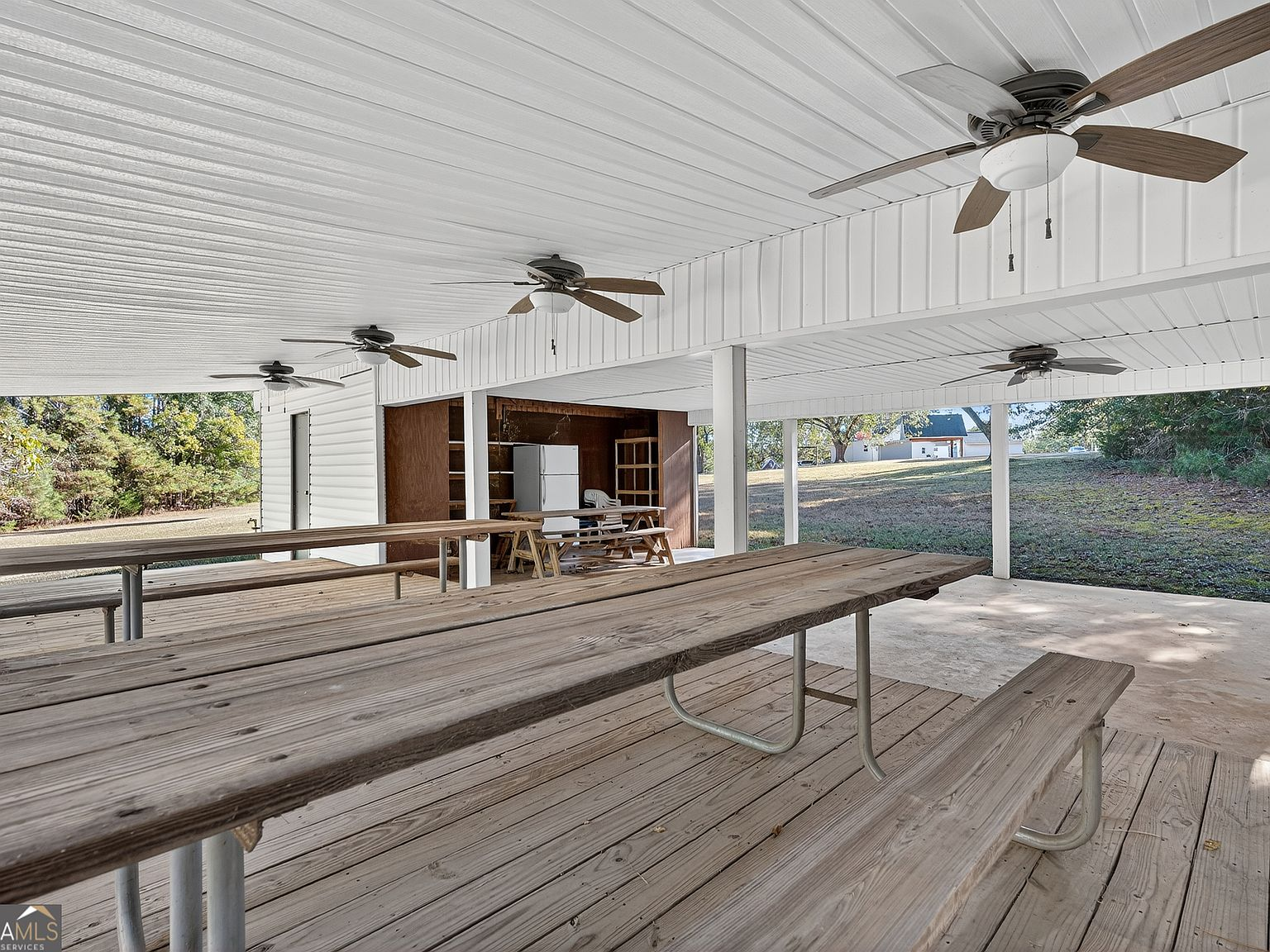
The covered pavilion that now sits at the water's edge is the most visible symbol of the property's transformation. Where the family once kept livestock and stored equipment, they now host weekend gatherings, family reunions, and lakeside dinners. The two full bathrooms built into the pavilion speak to its intended use: this is a space designed for entertaining, for the kind of social life that defines lake culture.
The pavilion was not part of the original farm. It was added by a later generation that understood the lake had changed what this property was for. The farm had fed the family. The lake estate would host the community. The covered porch, the screened back porch, the pavilion, and the flat lawn that runs between them form a sequence of outdoor rooms designed for the easy flow of people, conversation, and lake views. It is a completely different architecture from the inward-facing farmhouse of 1873 — and it represents a completely different way of living on this land.
The inheritance of both eras
What makes 257 Methodist Park Lane exceptional is not that it was a farm, and not that it is a lakefront estate. It is that the property carries the memory of both, and the best of both is still visible. The pecan trees planted for food a century and a half ago still shade the lawn where children run. The flat ground that made plowing easy makes walking to the dock effortless. The covered porch that faced the river now faces the lake, and the cross-breeze that cooled the farmhouse on summer evenings cools the lake house in exactly the same way.
The family that held this property through the transition understood that the land was not just dirt and water. It was a story. The first chapter was about survival — building a home in the wake of the Civil War, farming the Georgia Piedmont, raising a family on what the land could provide. The second chapter was about transformation — watching a river become a lake and choosing to adapt rather than leave. The third chapter, which is being written now, is about what it means to inherit both of those stories and decide what comes next.
A buyer who acquires 257 Methodist Park Lane is not just buying a lakefront property. They are stepping into the role that the family who built the house in 1873, and the family who chose to stay in 1955, and the family who added the pavilion and the dock and the porch screens have all held: steward of a piece of land that asks to be cared for. The land will tell you what it needs — the pecan trees, the flat lawn, the shoreline that changes with the seasons. The question is whether you are ready to listen.