
Lake life
The wildlife of Lake Hartwell: eagles, herons, and the natural world at 257 Methodist Park Lane
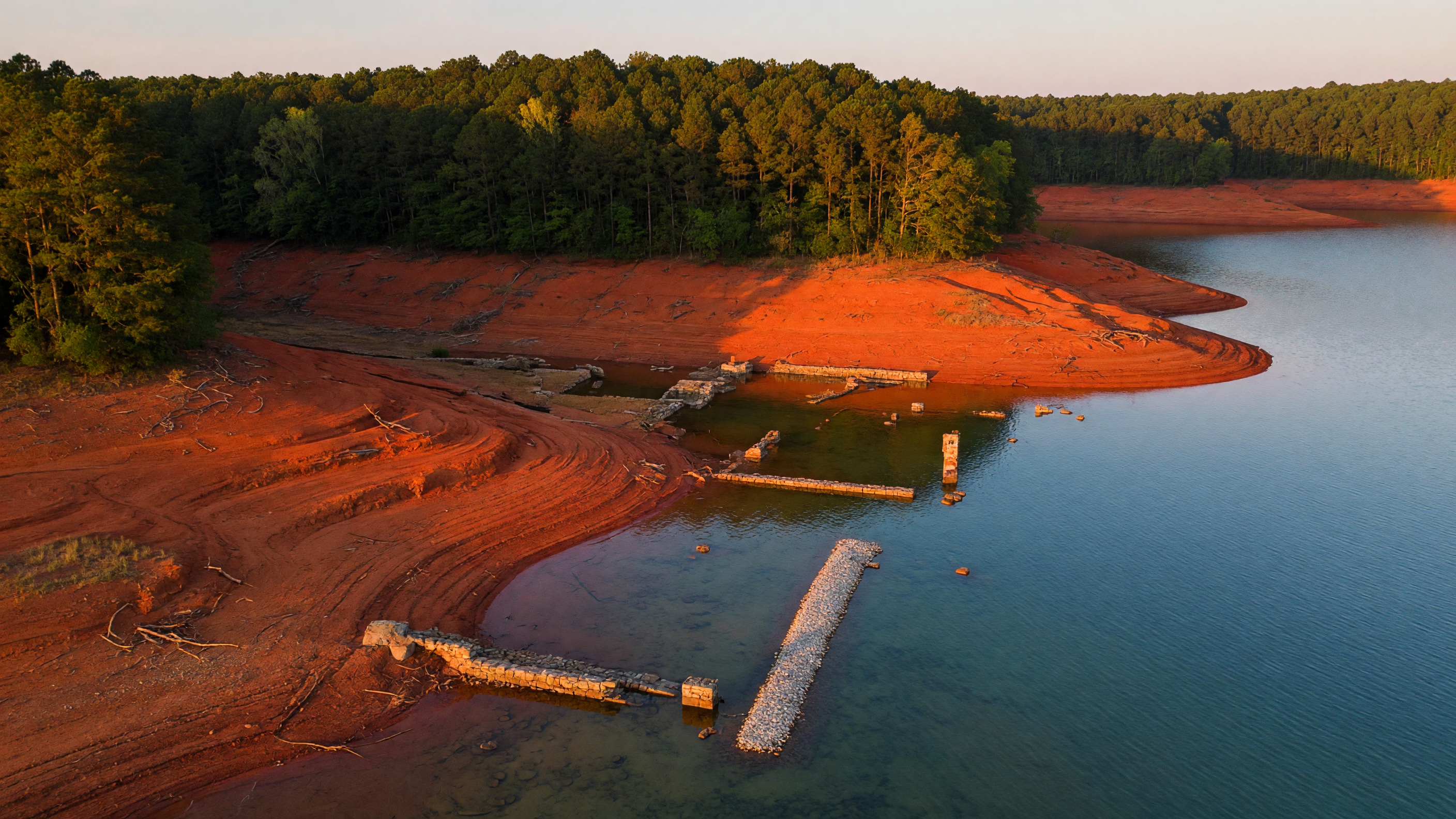
The first thing you notice at 6:15 in the morning isn't the lake. It's the sound. A great blue heron, standing motionless in the shallows fifty yards from the dock, lets out a prehistoric croak that carries across the water. Somewhere in the pecan canopy behind the house, a pileated woodpecker hammers at dead wood. And above the treeline to the east, a bald eagle traces a wide arc over the cove — one of the pairs that nested along the Hartwell shoreline years ago and never left.
A lake that belongs to the wildlife
Lake Hartwell's 56,000 acres of water and nearly 1,000 miles of shoreline don't just attract boaters and fishermen. The lake and its surrounding woodlands, wetlands, and Corps-managed shoreline create one of the most significant wildlife habitats in northeast Georgia. Over 250 bird species have been documented on and around the lake — a number that places Lake Hartwell among the top birding destinations in the state.
The Lake Hartwell Wildlife Management Area, spanning roughly 28,000 acres of pine forests, wetlands, and open water, provides protected habitat for bald eagles, great blue herons, wild turkeys, white-tailed deer, and a rotating cast of migratory species that pass through the Appalachian foothills on their way north and south. The Corps of Engineers shoreline — natural, undeveloped, and wooded — functions as a continuous wildlife corridor along the water's edge, connecting the management area's core habitat with the broader lake ecosystem.
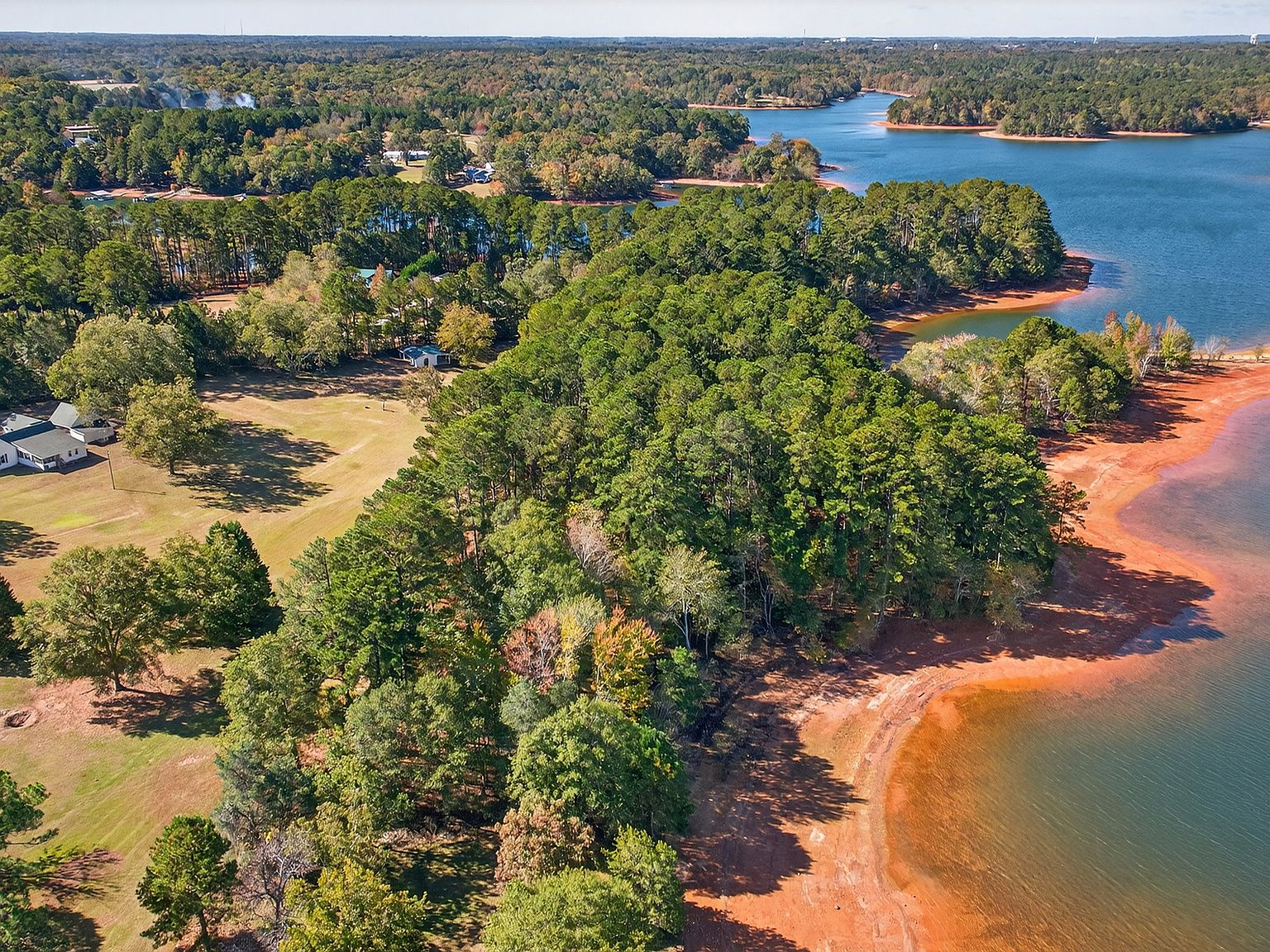
For a property like 257 Methodist Park Lane, this isn't an abstraction. The undeveloped Corps shoreline adjacent to the property means that the wildlife isn't visiting from somewhere else. It lives here. The eagles nest in the tall pines along the bank. The herons hunt in the shallow coves. The deer cross the lawn at dusk, following the same paths their predecessors have used since before the lake existed.
The birds that define the lake
Bald eagles are the headline species — and Lake Hartwell has confirmed nesting pairs. The recovery of the bald eagle across the Southeast is one of the great conservation success stories of the last fifty years, and lakes like Hartwell, with their extensive undeveloped shoreline and abundant fish populations, are where the recovery is most visible. A bald eagle sighting from the porch at 257 Methodist Park Lane isn't a rare event. It's a Tuesday morning.
Great blue herons are even more common — and more photogenic. A rookery documented near Eighteen Mile Creek landing hosts dozens of nesting pairs, and individual herons are a daily presence along the shoreline near the property. They hunt the shallow coves for fish, stand motionless in the shallows for minutes at a time, and take flight with a wingspan that stops conversation. For families with children, the herons become the wildlife equivalent of neighborhood pets — familiar, predictable, and endlessly entertaining.
Beyond the eagles and herons, the lake supports peregrine falcons, ospreys, great egrets, terns, loons, and a rotating cast of migratory songbirds that use the Appalachian foothills as a flyway. The Lake Hartwell Wildlife Management Area's combination of open water, pine forest, and wetland habitat creates a landscape that supports both aquatic and terrestrial species — a biodiversity that's unusual for a man-made reservoir.
Mammals, fish, and the full ecosystem
The wildlife extends beyond birds. White-tailed deer are common along the wooded shoreline and in the management area's pine forests. Wild turkeys forage in the open grasslands near the dam. Beavers have established themselves along the lake's tributaries, and their dams and lodges are visible from kayaks and canoes exploring the quieter coves. Coyotes, foxes, and bobcats inhabit the management area's more remote sections — present but rarely seen, which is exactly how most residents prefer it.
In the water, the ecosystem is equally rich. Lake Hartwell supports over 40 species of fish, including largemouth bass, striped bass (often reaching 5 to 12 pounds), hybrid bass, crappie, bluegill, walleye, catfish, and rainbow trout. The fish population is managed through a combination of stocking programs, fishing regulations, and the natural productivity of the lake's warm-water environment. For anglers, the diversity is the draw — there's something biting year-round, and the challenge shifts with the seasons.
The 28,000-acre Wildlife Management Area surrounding the lake adds another dimension. Managed by the Georgia Department of Natural Resources, the WMA includes pine forests, wetlands, and open water that support a broader food web — the kind of ecosystem where herons, eagles, deer, turkey, and the occasional coyote coexist in a landscape that feels genuinely wild, despite being thirty minutes from downtown Hartwell.
What wildlife means for a property
There's a practical dimension to living alongside wildlife that doesn't appear in most real estate listings. A property with mature trees, undeveloped shoreline, and four-plus acres of private land doesn't just attract people — it attracts animals. The pecan trees at 257 Methodist Park Lane draw squirrels and birds in the fall. The lawn, flat and well-maintained, becomes a crossing path for deer at dawn and dusk. The cove adjacent to the property attracts fish, which attract herons, which attract the kind of quiet morning observation that no amount of money can buy.
For families considering a move to Lake Hartwell, the wildlife is part of the value proposition — not as a selling point, but as a daily reality. Your children will learn to identify a bald eagle by its white head and four-foot wingspan. Your mornings will include the sound of herons in the shallows. Your autumn evenings will feature deer crossing the lawn in the golden light. These aren't amenities you install. They're the natural consequences of owning a large, well-situated property on a healthy lake with protected shoreline.
The Corps-managed shoreline is key to this equation. Because the banks adjacent to 257 Methodist Park Lane remain wooded, natural, and undeveloped, the wildlife has habitat — continuous, protected, and connected to the broader management area network. That habitat is what keeps the eagles nesting, the herons hunting, and the deer crossing. It's not just an environmental benefit. It's the reason the property feels alive in a way that a manicured, fully developed lakefront lot never can.
The quiet observation of a life on the water
There's a particular kind of peace that comes from watching wildlife from your own property. Not a nature documentary, not a guided tour, not a national park visit — just the daily, unscripted presence of animals living their lives alongside yours. Lake Hartwell offers this in abundance, and 257 Methodist Park Lane offers it from one of the best vantage points on the Georgia shore.
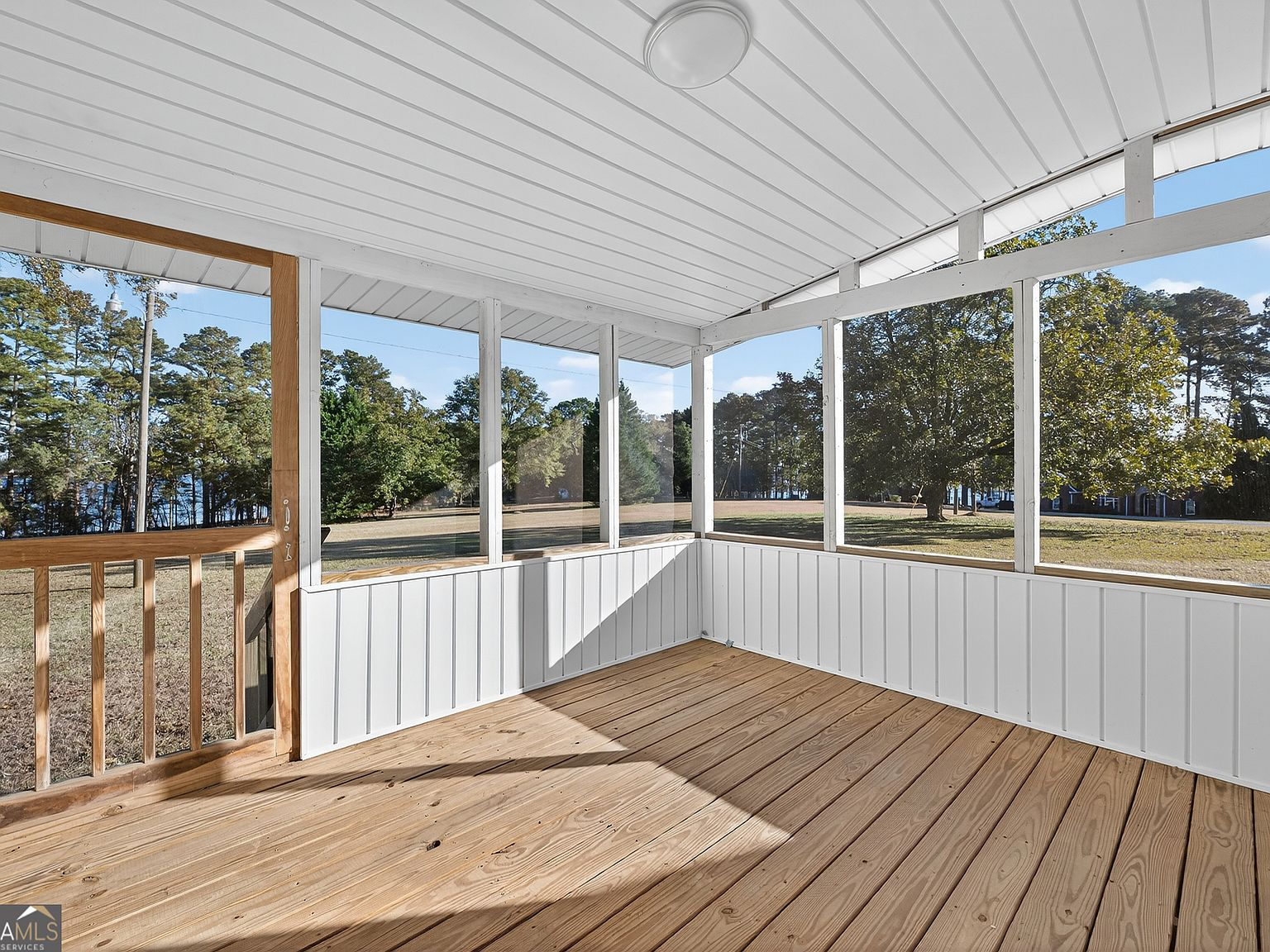
The porch faces the water. The pecan trees frame the sky. The lawn stretches toward the cove. From this vantage, you can watch a heron hunt, an eagle soar, a deer cross at dusk, and a kingfisher dive — all before lunch. That kind of proximity to the natural world doesn't just make a property more pleasant. It makes it more alive. And for families making a permanent move to the lake, it transforms a real estate transaction into something closer to a lifestyle decision.
We've spent years advising families on waterfront properties across Lake Norman, Charlotte, and Lake Wylie. We understand what luxury means in the traditional real estate sense. But what 257 Methodist Park Lane offers — four and a half acres of private waterfront on a lake with 250 bird species, confirmed eagle nesting pairs, and 28,000 acres of protected wildlife habitat — isn't luxury in the conventional sense. It's something rarer: a property where the natural world is part of the daily experience, not a view you drive to see.