
Community
The Wooden Boat Festival: Lake Hartwell's celebration of craftsmanship on the water
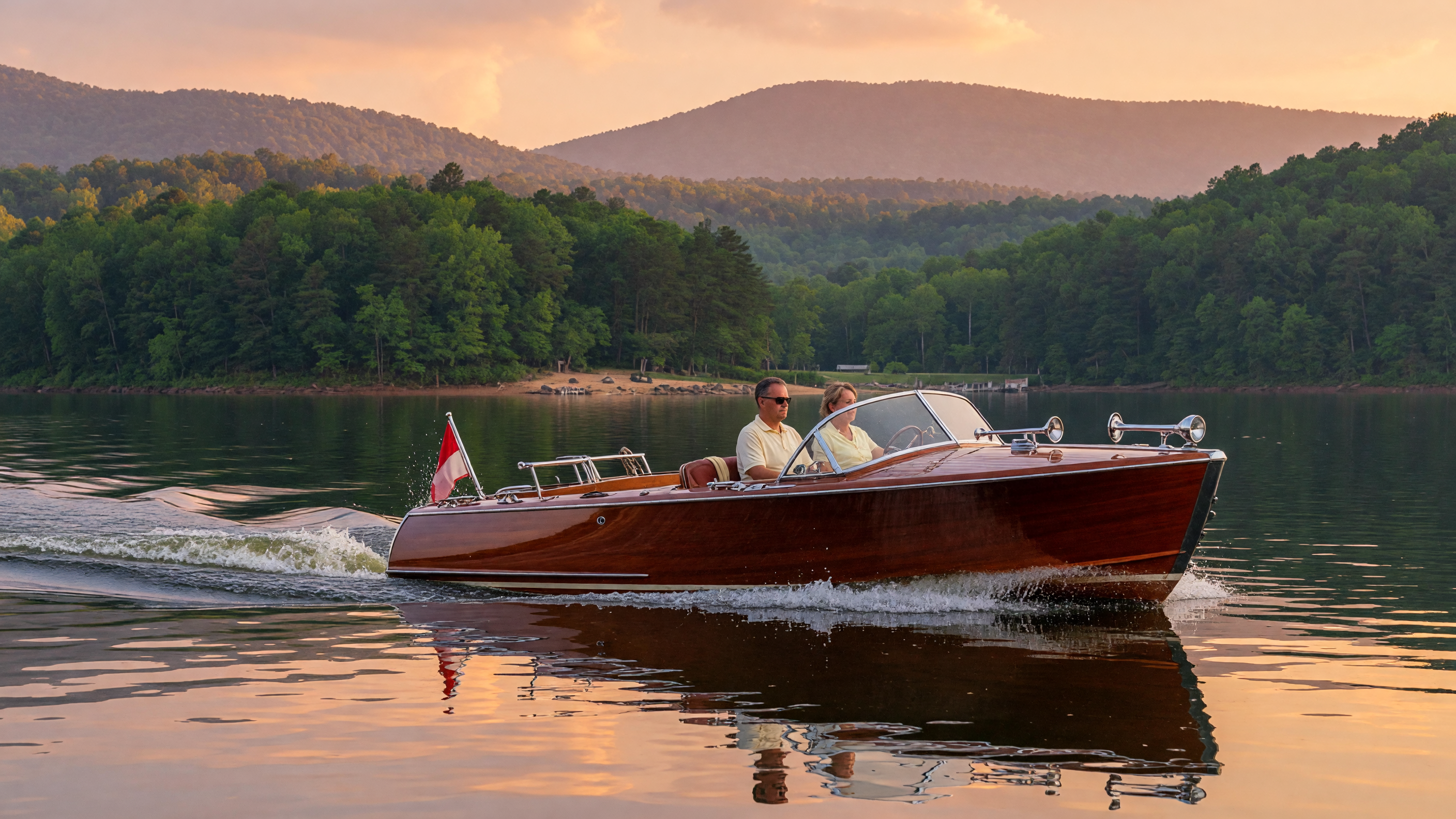
On a spring morning in late April, the shoreline at Lake Hartwell fills with a different kind of boat. Not the fiberglass pontoons and jet skis that define peak summer — these are hand-built wooden hulls, mahogany runabouts, cedar-strip canoes, and restored classics that have been kept alive by owners who understand that some things are worth the extra effort.
What the Wooden Boat Festival is
The Lake Hartwell Wooden Boat Festival and Rendezvous, organized by the Blue Ridge Chapter of the Antique & Classic Boat Society, brings together owners, builders, and admirers of wooden and classic boats for a weekend of displays, cruises, and community on the water. The event typically takes place in late April, timed to the early spring when the lake is warming but the summer crowds haven't yet arrived.
The festival isn't a trade show. It's a gathering. Boats are displayed at docks and along the shoreline. Owners walk visitors through the history of their vessels — the year of manufacture, the restoration process, the stories of where the boat has been and who has captained it. There are group cruises on the lake, where dozens of classic boats move together across the water in a kind of floating parade that looks nothing like the modern bass tournament fleet and everything like a slower, more deliberate era of lake life.
The Blue Ridge Chapter, part of the national Antique & Classic Boat Society, maintains an active calendar of events across the southeastern lake region. Their Lake Hartwell gatherings have become one of the chapter's signature events — a draw for wooden boat enthusiasts from across Georgia, South Carolina, and North Carolina.
Why wooden boats matter on a modern lake
Lake Hartwell in 2026 is dominated by fiberglass. Bass boats built for speed, pontoons built for capacity, and jet skis built for adrenaline fill the marinas and boat ramps from May through September. The tournament calendar — Bassmaster Classics, Elite Series events, Phoenix Bass Fishing League qualifiers — runs entirely on modern composite hulls designed for performance, not aesthetics.
Wooden boats operate on a different logic. They require maintenance that fiberglass doesn't — annual refinishing, careful storage, attention to seams and fasteners that expand and contract with humidity and temperature. A wooden boat is not a set-it-and-forget-it possession. It's a relationship.
And that's precisely the point. The people who build, restore, and maintain wooden boats are people who value process over convenience, craft over efficiency, and continuity over novelty. They're the same kind of people who buy a property like 257 Methodist Park Lane — who see value in something that requires care, that rewards attention, and that tells a story through its condition.
The culture of the wooden boat community
What strikes you first at a wooden boat festival isn't the boats — it's the conversations. Owners talk about their vessels the way people talk about their children: with pride, exasperation, and a depth of knowledge that comes from spending hundreds of hours in close proximity. A 1957 Chris-Craft Constellation isn't just a boat. It's a project that took three winters to restore, a marriage that survived the sawdust in the garage, and a reason to spend every Saturday at the lake instead of wherever else the weekend might have gone.
The Blue Ridge Chapter's Lake Hartwell events draw a particular kind of participant: people who live on or near the lake and who have chosen the water not as a vacation destination but as a way of life. Many are retirees who discovered wooden boats after careers in other fields — engineering, architecture, teaching — and found in boat restoration a combination of craftsmanship, patience, and tangible results that satisfied something that desk work didn't.
For families considering Lake Hartwell as a permanent home, the wooden boat community offers a signal about the depth of the social fabric. This isn't a lake where people arrive on Friday, ski all weekend, and leave on Sunday. It's a lake where people invest in projects that take years, build relationships that last decades, and gather around shared interests that go deeper than the waterline.
The festival as a lens on Lake Hartwell's identity
Lake Hartwell's identity has always been layered. Created by the U.S. Army Corps of Engineers between 1955 and 1963, the lake was designed for flood control and hydropower. What grew up around it was a recreational community — fishing, boating, watersports — that transformed Hart County from an agricultural economy into a tourism-driven one. In 2026, the lake attracts more than 9 million visitors annually and supports a $57.4 million local tourism economy.
But within that broad recreational identity, there are subcultures that reveal the lake's deeper character. The tournament fishing community, with its national circuit events and professional anglers, represents one thread. The wooden boat community represents another — one that values preservation, patience, and the quiet pleasure of doing something well.
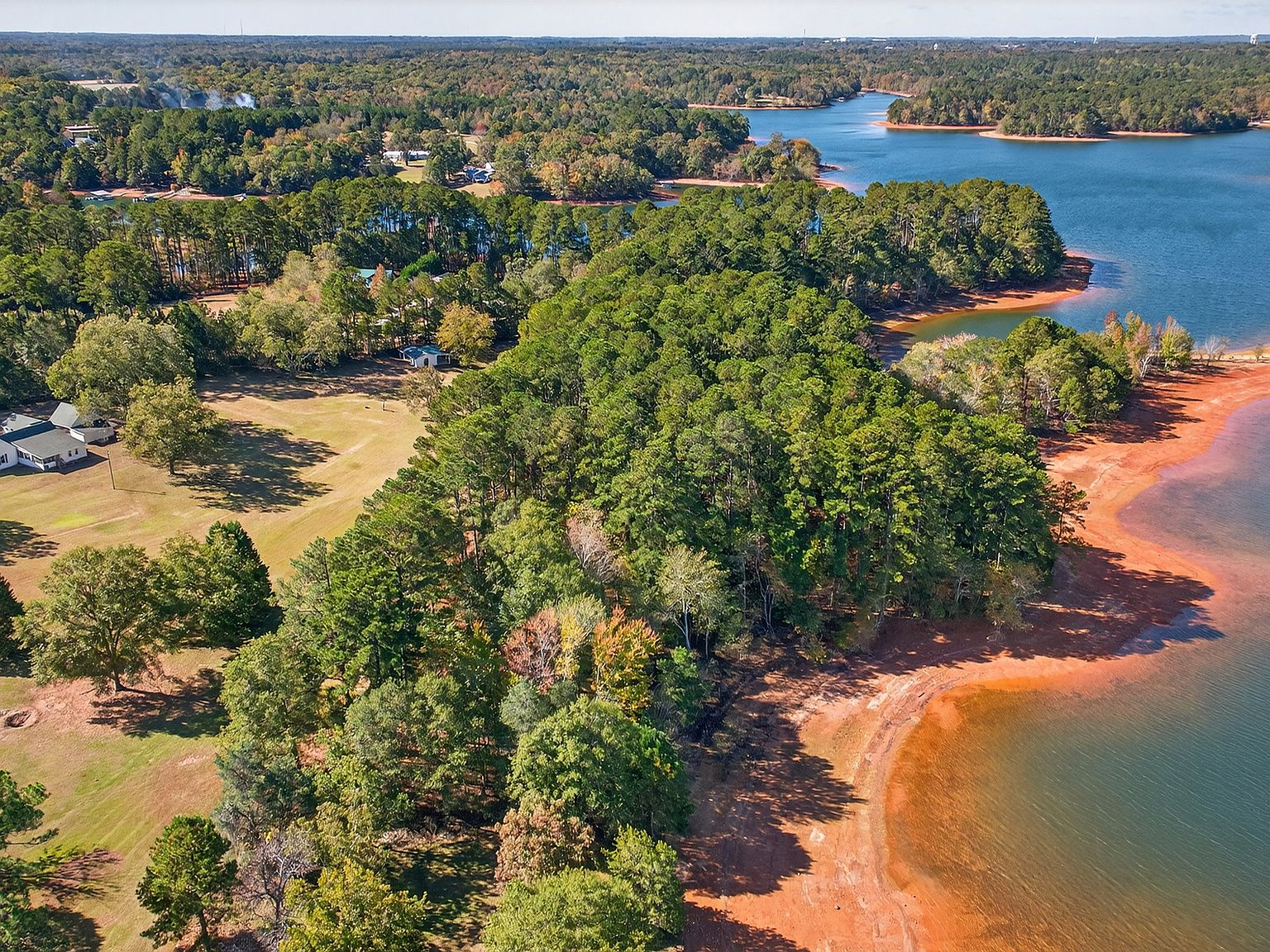
The festival also highlights something about Lake Hartwell that doesn't always make the tourism brochures: its beauty. The lake's 960 miles of shoreline wind through the Appalachian foothills, with wooded banks, red clay bluffs, and the kind of cove-and-point topography that makes every turn in the water feel like a discovery. For a wooden boat — slow, quiet, designed to be appreciated from both inside and out — Lake Hartwell is an ideal setting. The water is clean, the scenery is varied, and the undeveloped Corps of Engineers shoreline means that long stretches of the lake feel unchanged from the day the dam was completed.
What a wooden boat owner would notice about 257 Methodist Park Lane
A wooden boat person looks at property differently. They notice the shoreline first — the water depth at the dock, the exposure to wind, the angle of the cove. They notice the land's drainage, the soil composition near the water, the way the property faces the sun. They notice whether the setting supports the kind of quiet, attentive relationship with the water that a wooden boat demands.
257 Methodist Park Lane, on the Georgia Corps of Engineers shoreline, offers the natural, undeveloped waterfront that a wooden boat person values. The Corps manages the shoreline, keeping it wooded and free of development — which means clean water, minimal wake, and the kind of protected coves where a classic hull can be tied up without worry about heavy traffic or wake damage. Elrod Ferry Landing and Methodist Park are minutes from the property, providing public access for guests and launching for larger vessels.
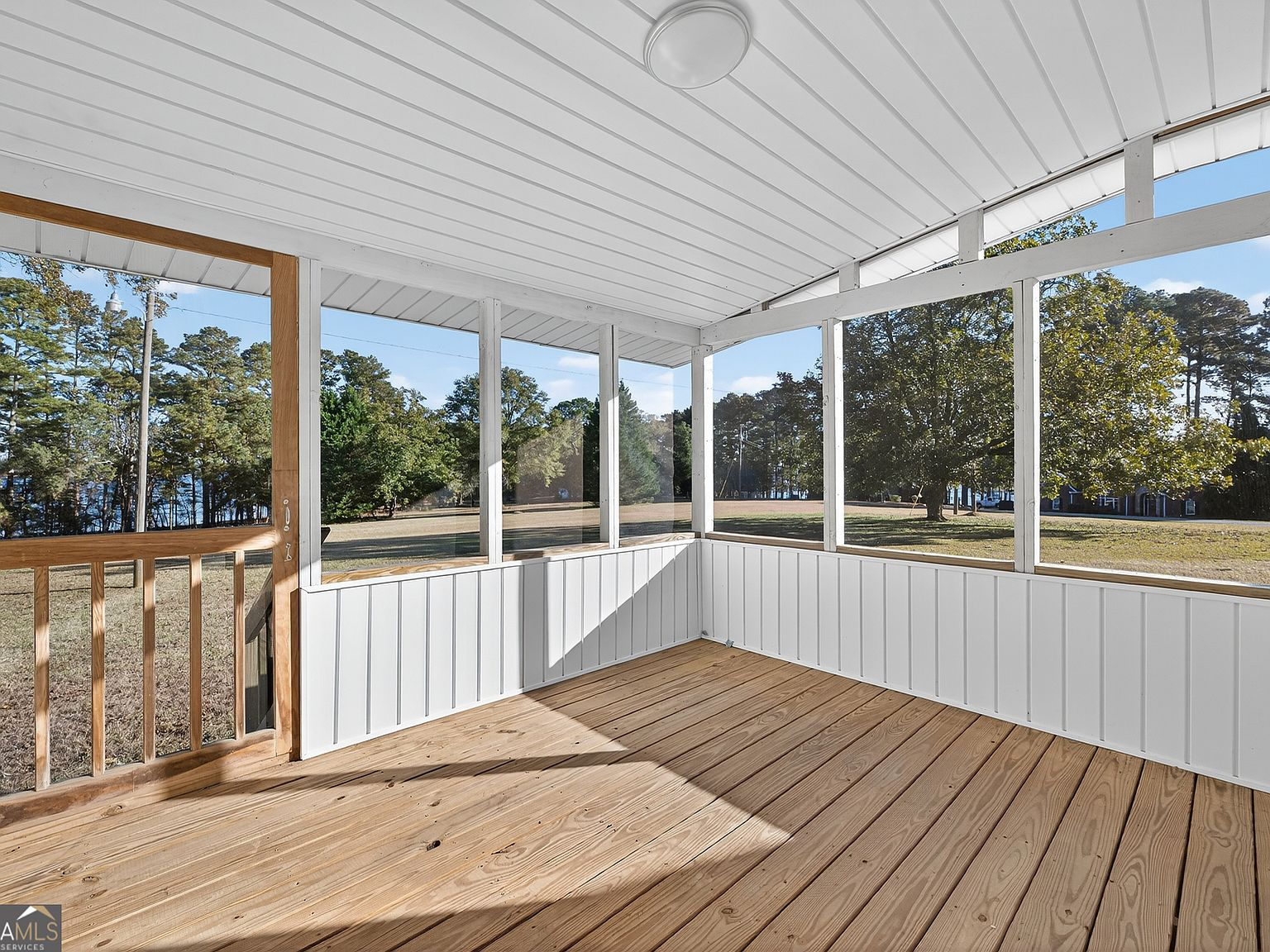
The 4.546 acres of flat, private land provide something that's harder to find on the lake: space for a proper boathouse or covered slip, room for outdoor storage and maintenance, and the privacy to work on a restoration project without disturbing neighbors. The property's existing covered porch and lakeside pavilion already provide the outdoor gathering spaces that make lake weekends work — and for a wooden boat owner, those spaces are where the stories get told after the boat comes in for the evening.
The broader point: craftsmanship as a lifestyle
The Wooden Boat Festival isn't really about boats. It's about a way of engaging with the world — one that values making things well, maintaining them carefully, and passing them along to the next person in better condition than you found them. That ethos runs through Lake Hartwell's best properties, its most engaged community members, and its deepest traditions.
257 Methodist Park Lane is a property built on that ethos. The 1873 farmhouse has been maintained across generations — not renovated for resale value, but cared for as a home. The pecan grove has been tended for over a century. The pavilion was built to serve the community that gathers on this land. The property doesn't perform luxury; it practices stewardship.
For the right buyer — someone who understands that a wooden boat and a historic estate require the same kind of attention, the same long-term thinking, and the same willingness to invest in something that rewards care — Lake Hartwell offers a lifestyle that no new construction development can replicate. It's a lifestyle rooted in craft, continuity, and community.
The next Wooden Boat Festival is in April. If you want to understand what Lake Hartwell looks like when people bring their best to the water, it's worth attending. And if you want to understand what it looks like to bring your best to the land, the porch at 257 Methodist Park Lane is waiting.