
Heritage
The powerhouse that lights the lake: five generators, 468 million kilowatt-hours, and a visit to Hartwell Dam
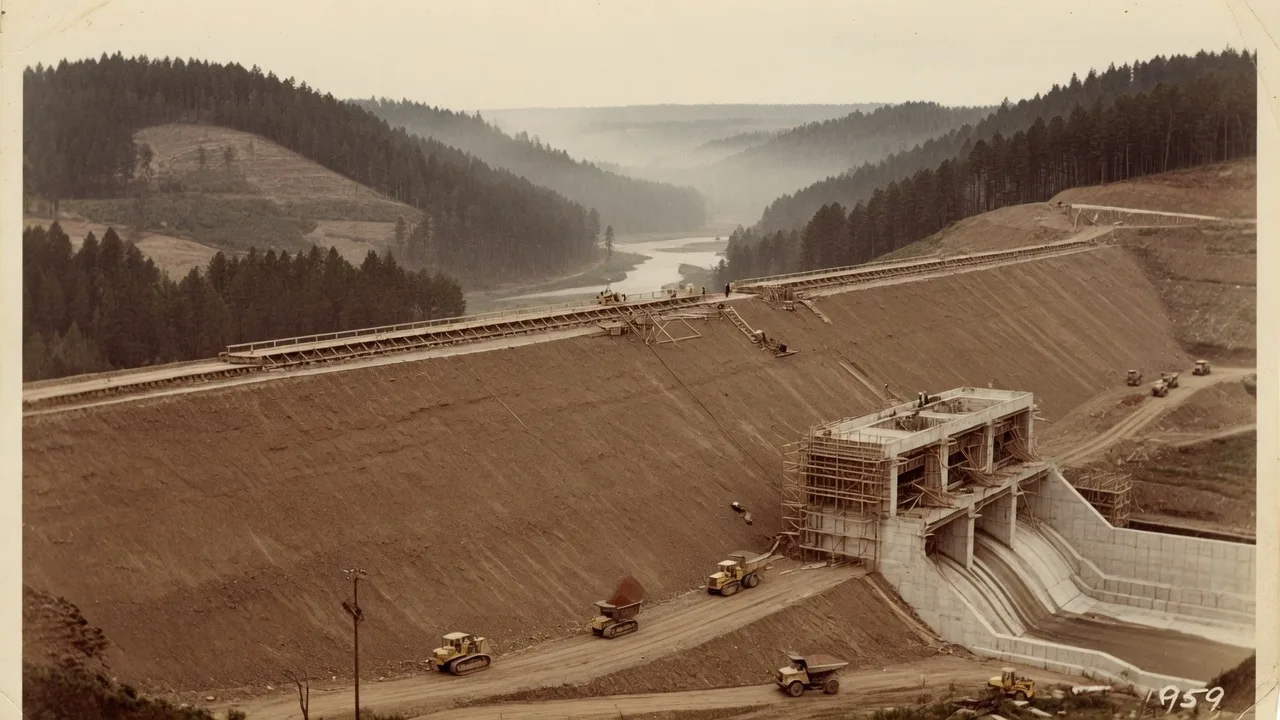
Most visitors come to Hartwell Dam to see the wall, the 12,400-foot span of earth and concrete that holds back 56,000 acres of water. The real machine sits at its base, out of sight from the highway: a powerhouse of five hydroelectric generators that has been turning the flow of the Savannah River into electricity since 1962, producing roughly 468 million kilowatt-hours in an average year. It is a working power plant, one of the most interesting buildings in the county, and it has been humming through every season of lake life, including the 2026 season of low water and repairs, for more than six decades now.
Five generators and a river of power
The powerhouse holds five generating units. The first four, numbered 1 through 4, were the original machines of 66,000 kilowatts each, installed when the dam was completed in 1962. A fifth unit of 84,000 kilowatts was added in 1983, a vote of confidence in the river's power and in the region's appetite for electricity. The Corps' Savannah District lists the plant's generating capacity at 348 megawatts in its water-management manual, and higher figures are also widely cited. However the number is read, the scale is the same: the whole flow of the Savannah River, concentrated through five machines, and a plant that stands as the only Corps hydro powerhouse in the country with its generators located outdoors.
Hartwell operates as a peaking plant. That means it does not run all day at full tilt. It waits, holding the reservoir's water behind the dam, and then releases it in surges when demand for power peaks, typically in the morning and again in the evening, spinning the turbines for a few hours and then easing off. To anyone living on the lake, that schedule is written on the water itself. The level rises and falls not only with rain, drought, and the guide curve, but with the daily rhythm of a region waking up and turning on its lights. The lake is a machine, and the machine is alive.
A lake that runs on a schedule
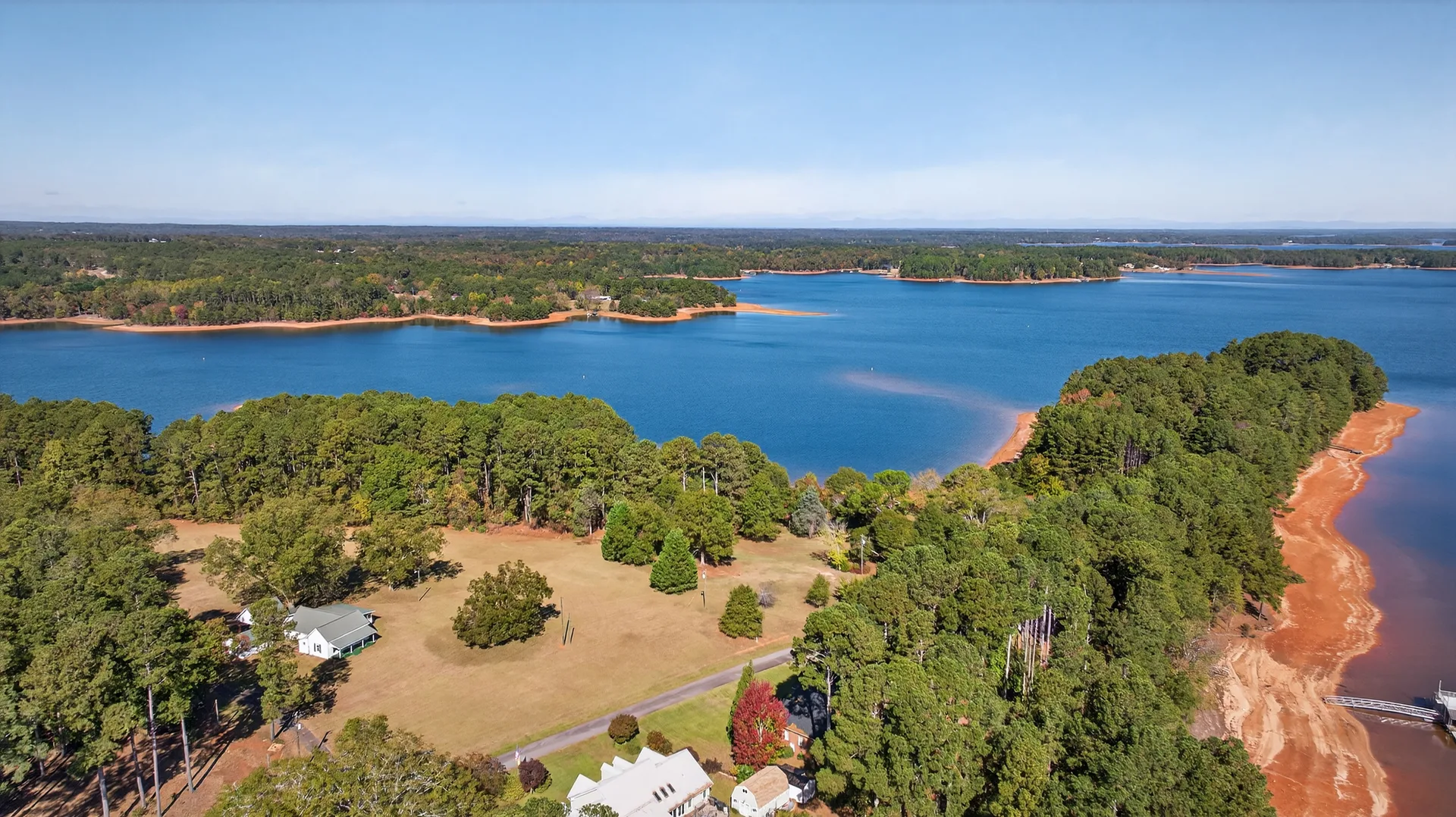
The saw-toothed rhythm of a peaking plant is part of why Lake Hartwell's water level is never a simple number. The Corps balances four jobs at once: flood control, hydropower, water supply, and recreation, and the powerhouse sits at the center of all four. In 2026 that balancing act has been unusually visible. With the reservoir held to a 656-foot ceiling while engineers design a fix for the seepage at the Clemson Lower Diversion Dam Saddle Dike, and with a Level 2 drought adding its own pull, the daily level reading has become front-page news. But the generators never stopped. The same river that flooded in the 1960s and dried toward 648 feet in October 2026 kept spinning turbines through both extremes, because a peaking plant is built to work with whatever water the basin offers.
For the shoreline, the powerhouse is also a clock. Boaters learn to recognize the pull when the gates open and the current quickens toward the dam. Anglers time their drifts around it. The sound of water moving day and night at the dam's tailrace has been a constant of this lake since the beginning, and it is easy to stand on the high ground near the dam, as the family at 257 Methodist Park Lane has done for generations, and hear the machine at work in the distance.
Where you can see the machine
The powerhouse itself is not open to the public. The Corps has suspended tours of the dam and powerhouse until further notice, and there is no public access inside the hydroelectric plant. But the Hartwell Dam Visitor Center, the Corps' project office for the lake, is the next best thing, and it is a genuinely good stop. It sits at 5625 Anderson Highway, Highway 29, on the Georgia side about a mile past the dam and five miles north of Hartwell, with free parking, restrooms, picnic shelters, brochures, and maps of the lake. Inside, exhibits cover the reservoir's wildlife, water safety, and shoreline management, staff can show videos about the project on request, and a Veterans Curation Program artifact exhibit, installed in 2023, displays items recovered from the lake's shoreline and the region. The office phone is (706) 856-0300.
Right outside, a paved walkway and scenic overlook run along the dam, giving visitors the view that makes the scale click: the long crest of the structure, the Savannah River below the powerhouse, and the lake stretching back toward the horizon. From the overlook you can watch the water move, spot the spillway, and imagine the five generators turning beneath your feet. The adjacent Big Oaks Recreation Area rounds out the visit with ramps and day-use space. It is not the same as standing in the turbine hall, but it is the best public window into the machine that made the lake, and it is free.
What the family on the high ground watched
The generator story is personal at 257 Methodist Park Lane. The 1873 farmhouse sat on flat, high ground above the river valley when the Corps arrived, and it stayed there through the surveys, the construction, and the filling of the lake. The family watched the dam rise between 1955 and 1962 from a front porch that predated the project by nearly nine decades. When the first four generators came on line in 1962, the lights they powered included the lights in the farmhouse at the end of Methodist Park Lane. The fifth unit arrived in 1983, and the porch was still there, and so was the property, now a lakefront estate with the water lapping at the bottom of the lawn that used to meet the river.
That continuity is the quiet miracle of the high ground. The builders came, the valley filled, the peaking plant spun up, the saddle dike deteriorated, the drought pulled the water down, and through all of it the flat 4.546 acres never moved. Six decades of turbine hours have passed since the powerhouse began turning the river into electricity, and the property that watched the whole story from its front row now belongs to the lake it helped make famous. It is one of the last remaining large-acreage parcels on Lake Hartwell's Georgia Corps of Engineers shoreline, and it is ready for the family who wants to hear the machine hum from a distance and watch the water rise and fall with the region's appetite for power.
The machine behind the view
Lake views are easy to fall in love with and easy to take for granted. The powerhouse is a reminder that the view is manufactured, carefully, on purpose, by engineers who decided decades ago to put a dam here and by operators who decide every day how much water to let through. When the lights come on in Hartwell at dusk, part of the current came through Hartwell Dam that afternoon. When the lake levels make the news, the powerhouse is part of the story. And when you stand on the porch of a 153-year-old farmhouse on the Georgia shoreline, you are standing on ground that was there before all of it, watching the machine the river became.
We would be honored to show you the high ground, and the lake the powerhouse made. Stop at the visitor center on your way. We will meet you at the gate. Written by Amy Petrenko of The Petrenko Group.